


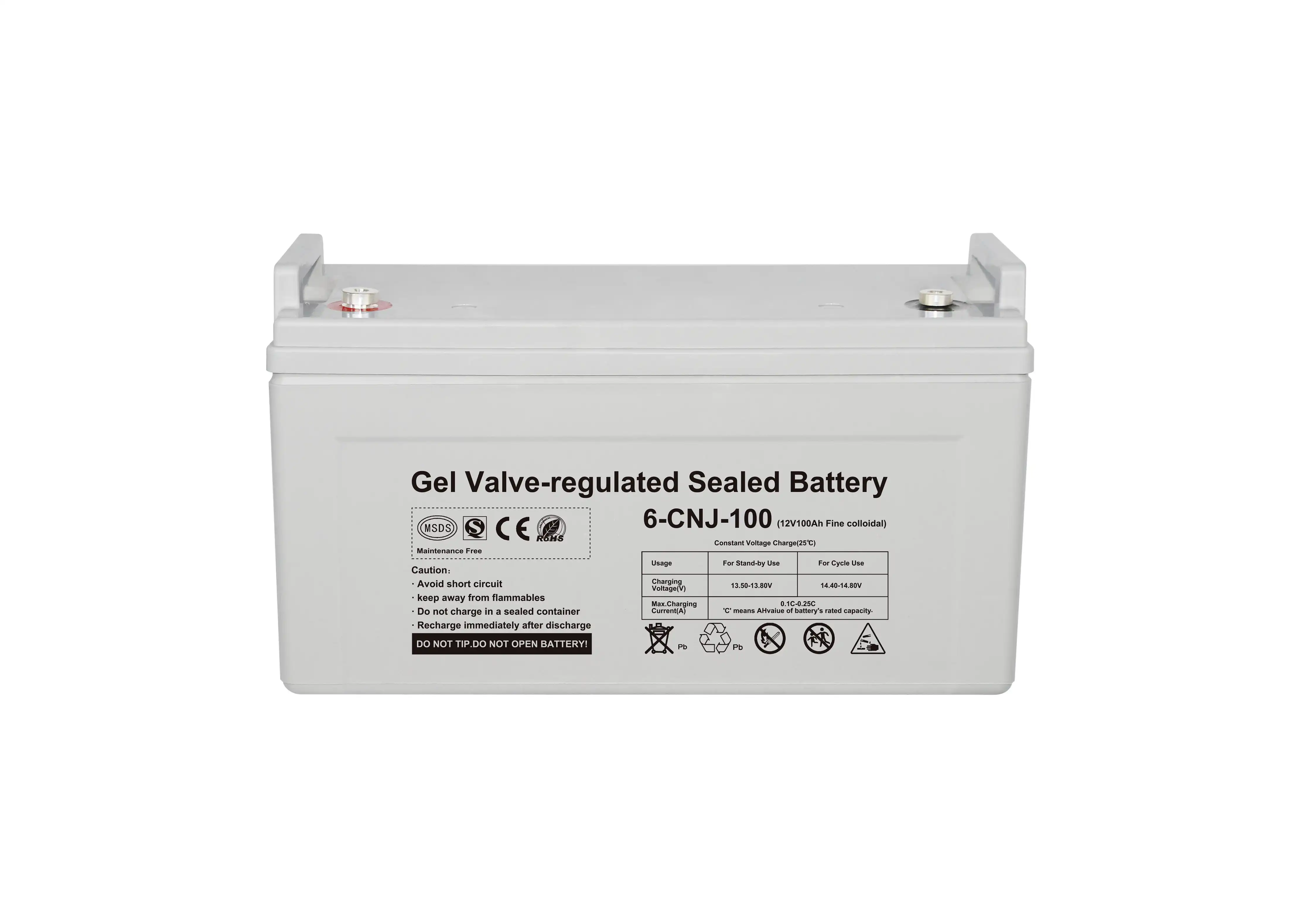
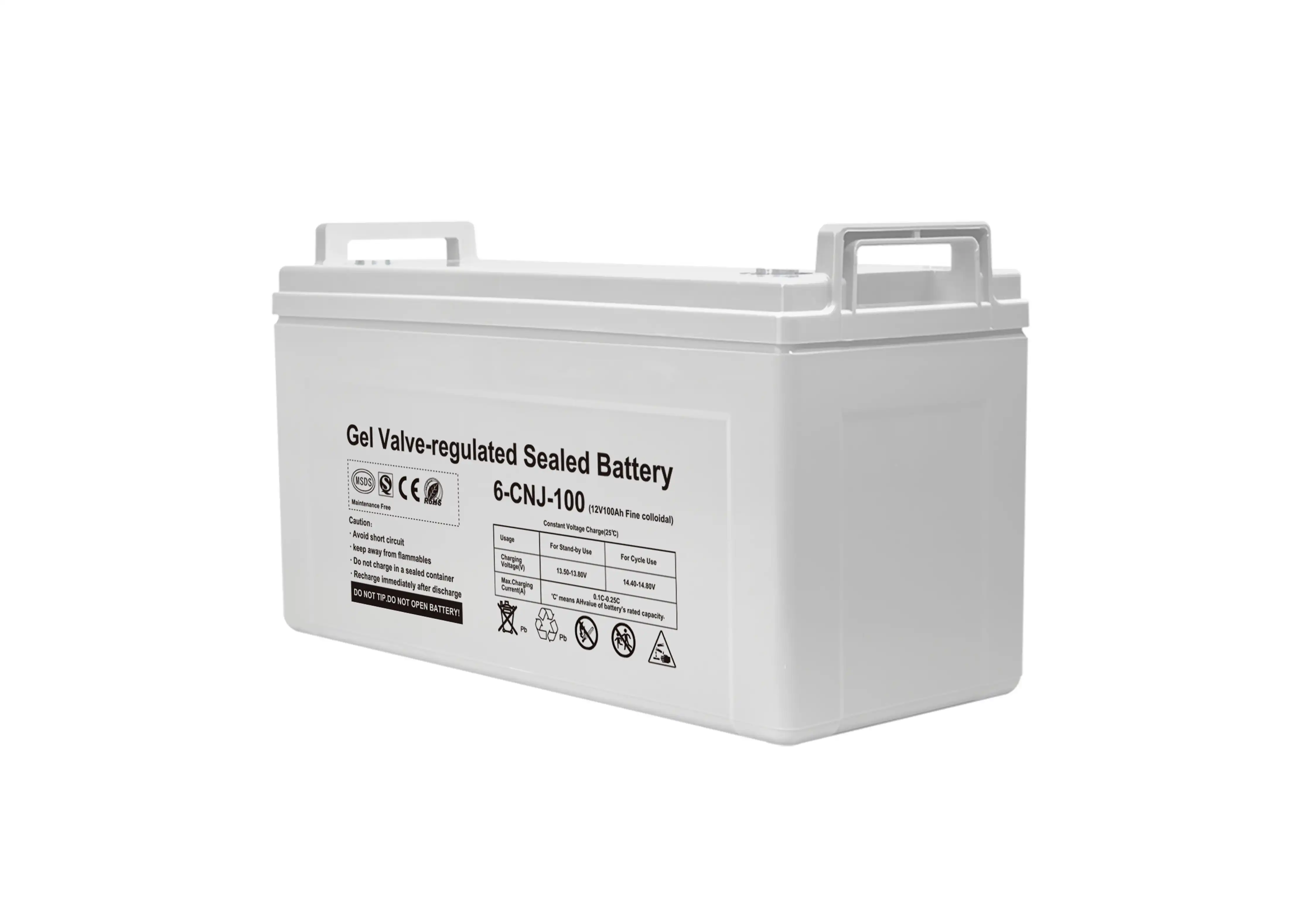
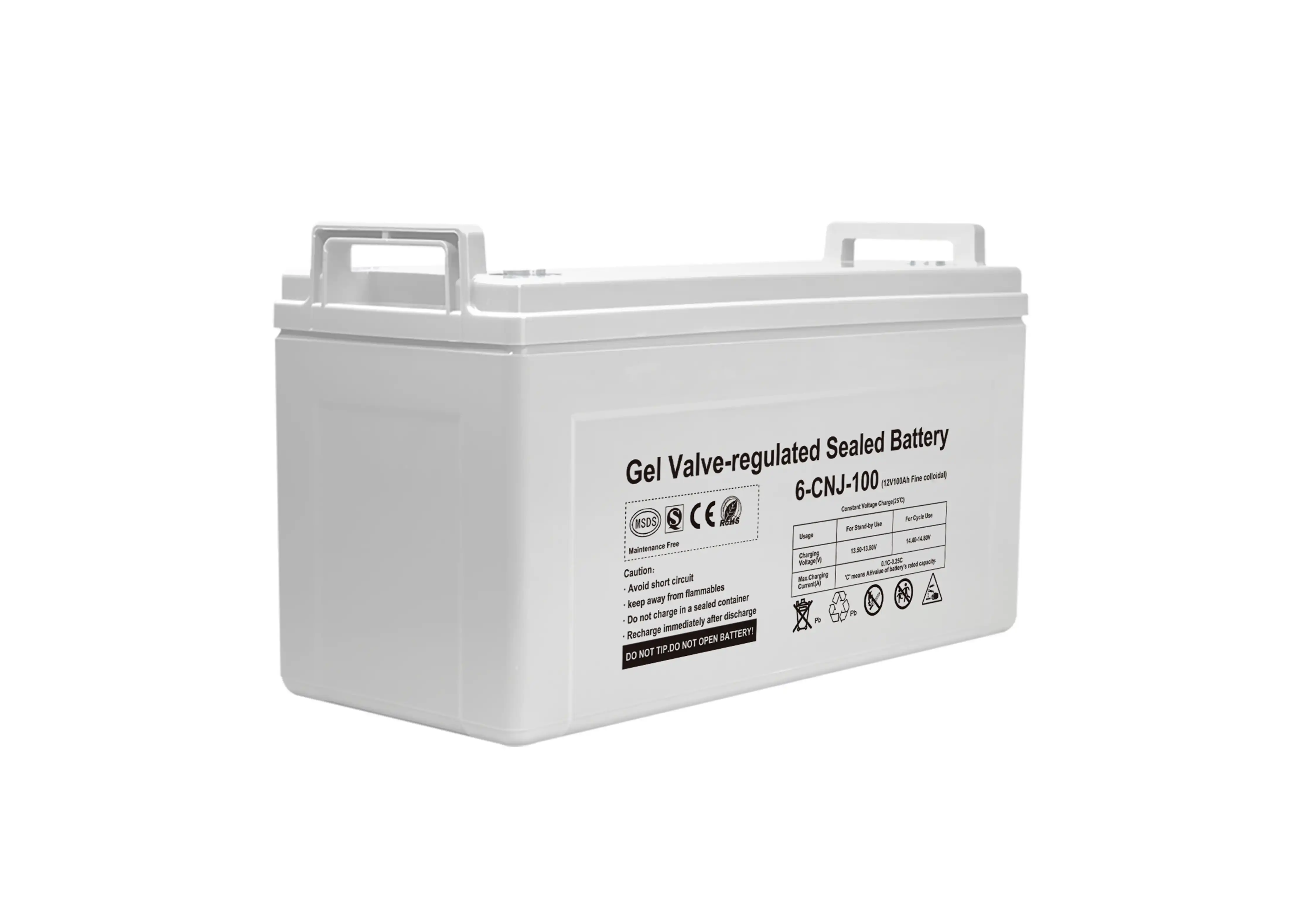
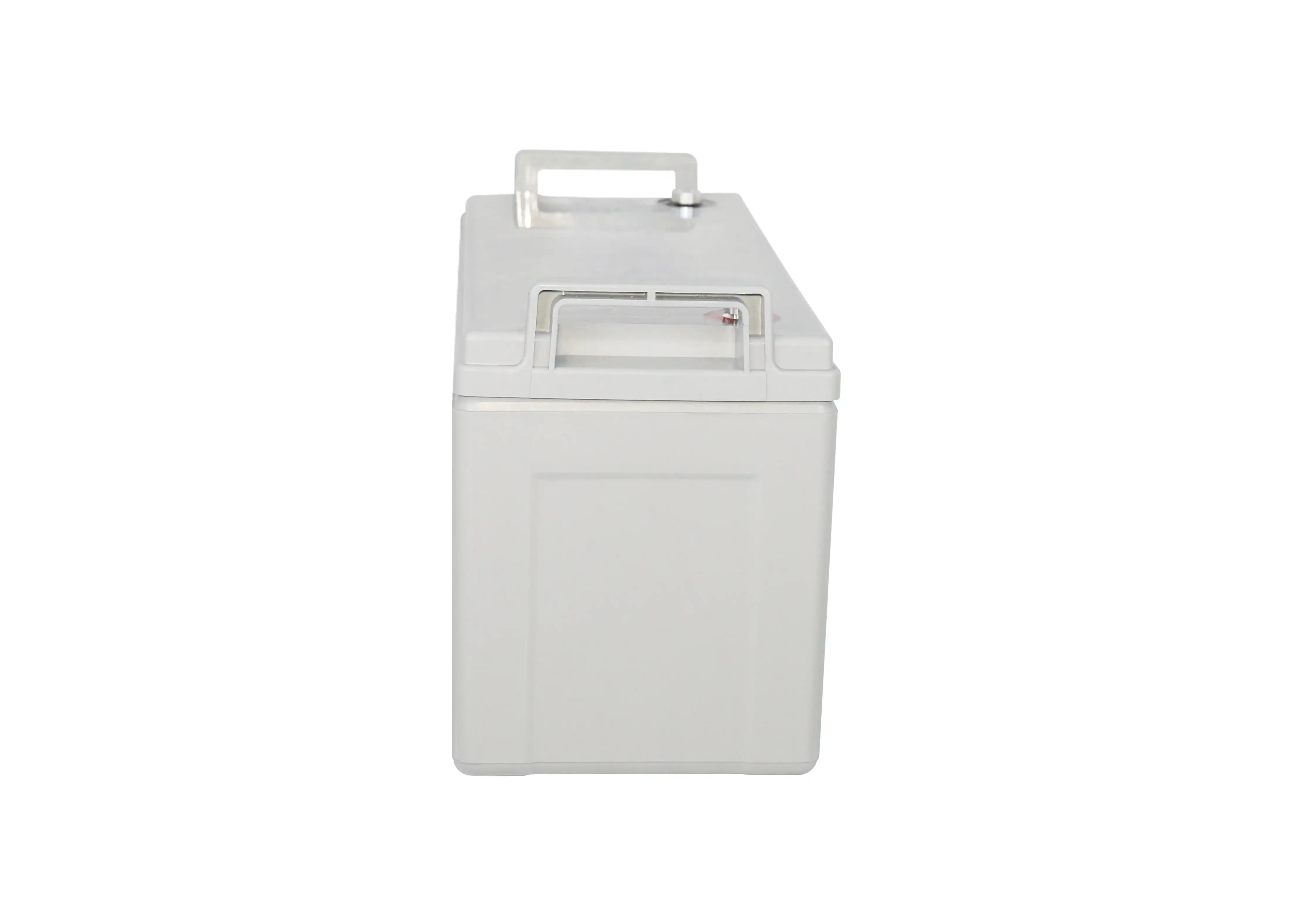
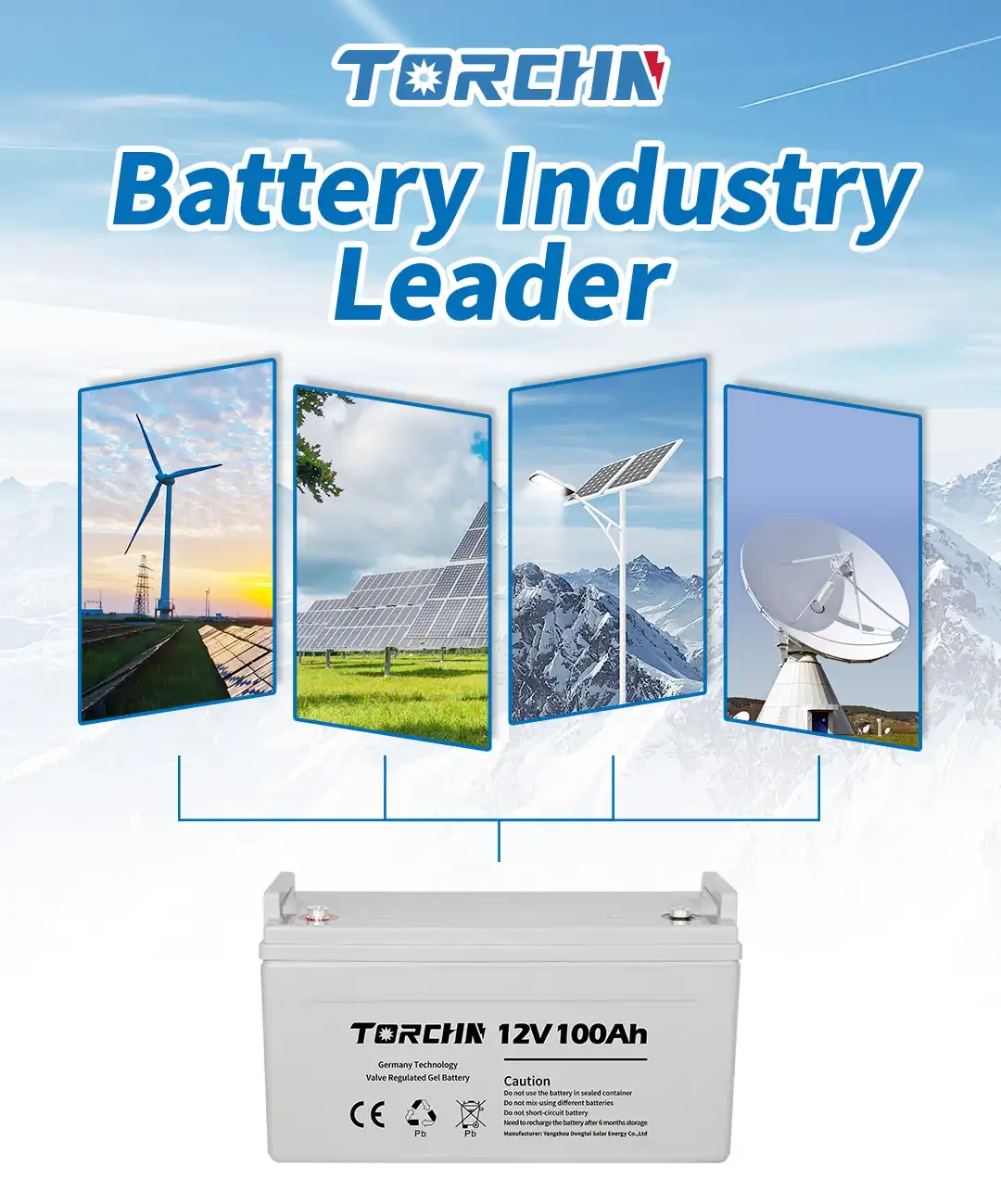
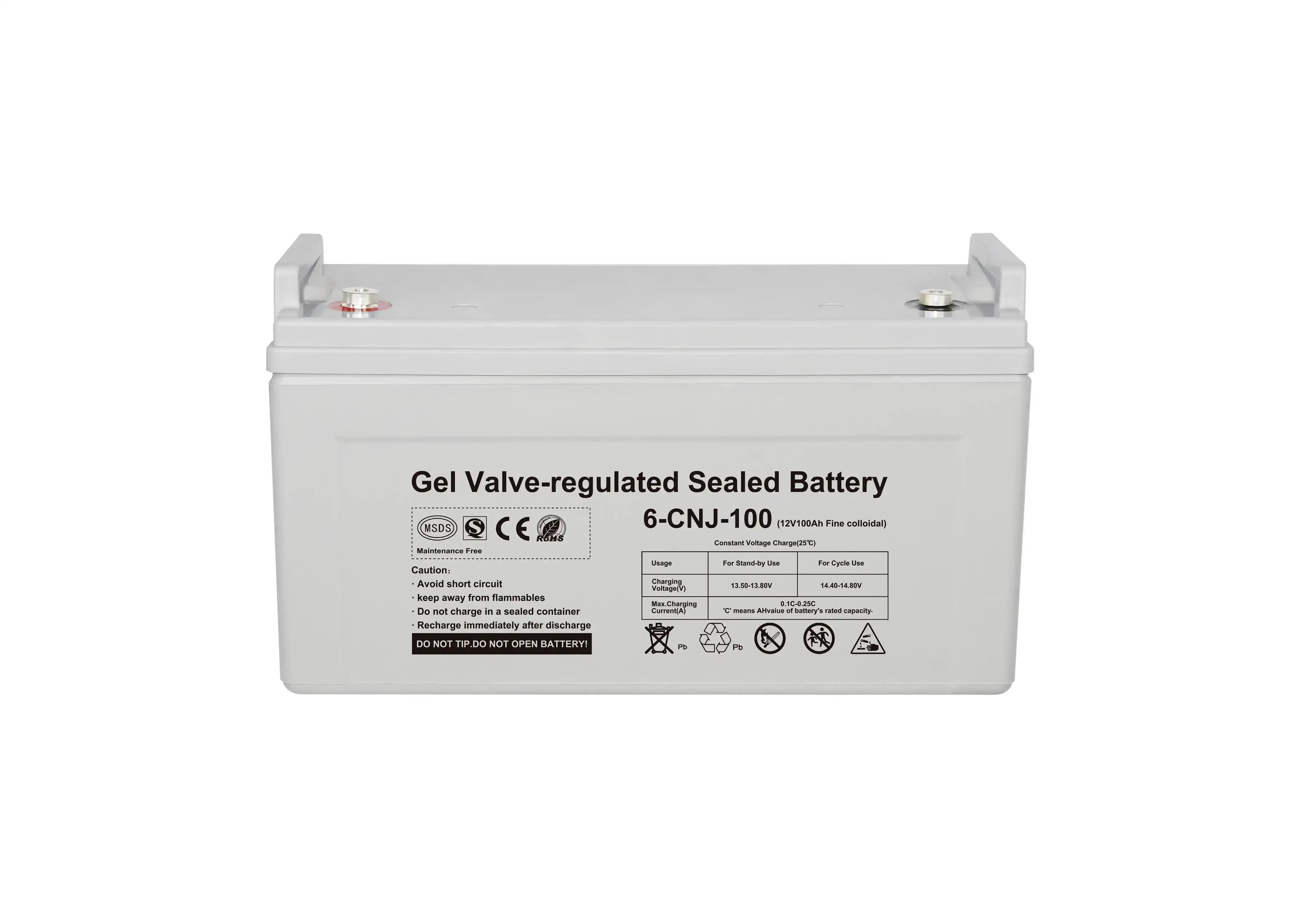
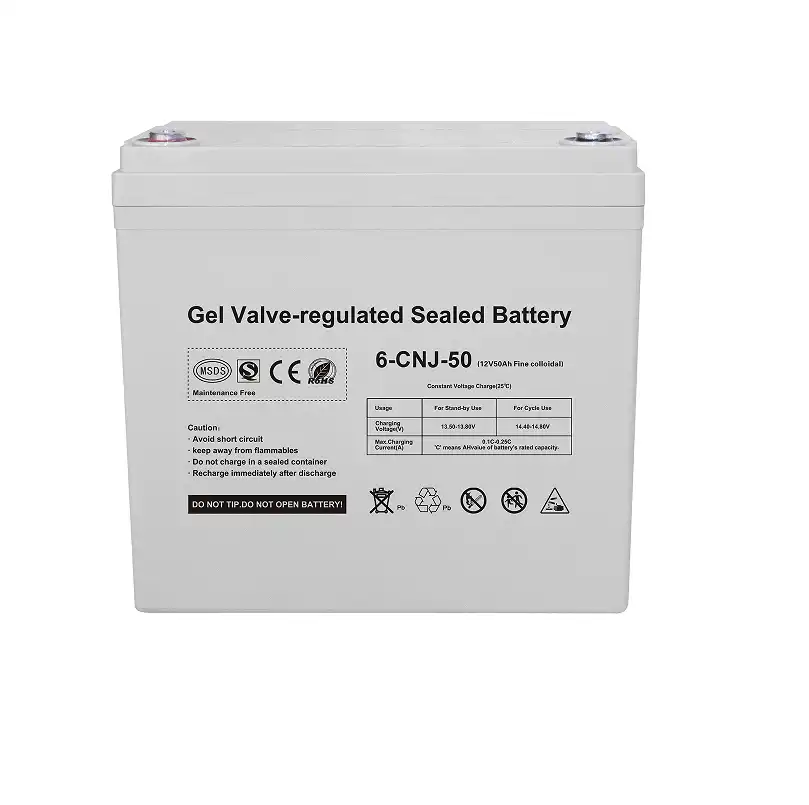
12V100Ah lead acid battery
1. Small Internal Resistance 2. More Better Quality, More Better Consistency 3. Good Discharge, Long Life 4. Low temperature resistant 5. Stringing Walls Technology Will Transport Safer.
Send Inquiry PDF Download12V100Ah Lead Acid Battery: Professional Power Storage Solution for Your Energy Needs
When you need reliable backup power or energy storage, our 12V100Ah lead acid battery delivers exceptional performance and longevity. Manufactured by Xi'an Gaoshide New Energy Technology Co., Ltd., this battery features a nominal voltage of 12V with true 100 Ampere-hour capacity rated at C10 discharge. What sets our solution apart is the small internal resistance of typically less than 5mΩ when fully charged, ensuring efficient power delivery.
You'll benefit from superior quality consistency across every cell, achieved through precision-engineered Lead-Calcium-Tin alloy grids. Our advanced construction minimizes water loss and enables excellent discharge characteristics with extended cycle life. The battery operates reliably even in low-temperature environments. With innovative stringing walls technology, your shipment arrives safer with reduced transit damage risk.
Understanding the 12V100Ah Lead Acid Battery Technology
One product is 6 cells in sequence at 2.1V each. This will give you the normal 12V nominal voltage that you require for a wide range of applications.
The electrochemical basis is based on reversible processes. Dilute Sulphuric Acid ( H2SO4 ) electrolyte Lead Dioxide ( PbO2 ) positive plates Sponge Lead ( Pb ) negative plates Interaction between the above two plates . This mature chemical has shown reliability.
This technology gives you important benefits. The large surge current capability handles the inductive loads that other chemistries struggle with. Cold weather performance is stable with lithium choices having charging limits.
Our product is engineered to be 99% recyclable. This sustainability aspect is aligned with your environmental aims, without compromising on economic effectiveness. Its standard form factor means it fits with existing systems.
Key Applications for Your Power Needs
Off-Grid Solar and Renewable Energy Storage
Your solar system is tolerant of partial state of charge (PSOC) cycling. Our batteries work through overcast weather patterns, while lithium systems are shut down by BMS intervention.
You can configure banks in 12v, 24v or 48v configurations. Life is maximised by proper equalising and absorption charge phases. This versatility is ideal for home and small commercial applications.
UPS Systems and Telecom Base Stations
Critical infrastructure requires no compromises on reliability. Our batteries are primarily designed to be used in float mode with a 5-10 year design life for standby applications.
You have bridge power during grid transfers. Rigorous impedance monitoring assures consistent performance. This proven technology is trusted by data centers and communication hubs.
Marine & RV House Banks
The marine environment is particularly difficult. Our batteries can resist extreme vibration (Vb rating) and temperature shifts that electronic BMS systems cannot handle.
Handles deep cycling for hotel loads and infrequent engine starting. Hermetic design works safely in humid and saline environments. This dual-functionality eliminates the need for separate battery banks.
Material Handling and Industrial Equipment
Forklifts and stationary equipment require a steady power delivery. Our batteries are not voltage sagging at high rates of discharge.
Reliable service life Well proven discharge curves Its rugged design is able to handle severe industrial settings. Maintenance schedules slot readily into current operations.

Parameters
| Cell Per Unit | 6 |
| Voltage Per Unit | 12V |
| Capacity | 100AH@10hr-rate to 1.80V per cell @25°c |
| Weight | 31KG |
| Max. Discharge Current | 1000 A (5 sec) |
| Internal Resistance | 3.5 M Omega |
| Operating Temperature Range | Discharge: -40°c~50°c |
| Charge: 0°c~50°c | |
| Storage: -40°c~60°c | |
| Normal Operating | 25°c±5°c |
| Float charging | 13.6 to 14.8 VDC/unit Average at 25°c |
| Recommended Maximum Charging Current | 10 A |
| Equalization | 14.6 to 14.8 VDC/unit Average at 25°c |
| Self Discharge | Batteries can be stored for more than 6 months at 25°c. Self-discharge ratio less than 3% per month at 25°c. Please charge batteries before using. |
| Terminal | Terminal F5/F11 |
| Container Material | A.B.S. UL94-HB, UL94-V0 Optional |
Superior Performance Advantages
Better Consistency and Quality Assurance
Every cell is thoroughly tested before being assembled. You experienced the same internal resistance across the 12V100Ah Lead Acid battery pack.
Our production technique results in homogeneous plate thickness and electrolyte distribution. This results to dependable performance across the service life. At every production step quality control is performed according to ISO 9001 protocols.
Longer Life Cycle With Innovative Design
Deep cycle versions provide 300-600 cycles at 80% Depth of Discharge (DOD). This can be extended to 1000+ cycles at 50% DOD operation.
Resist sulfation degradation of heavy active substance pasting. The grid arrangement restricts positive plate corrosion. Your investment will provide years of dependable service if properly maintained.
Safety and Thermal Management
Our batteries are equipped with precisely constructed safety valves to prevent thermal runaway. Pressure can be relieved before dangerous conditions occur.
You work well over a broad temperature range. The chemistry is stable between -20°C and 50°C. Design for heat dissipation to avoid hot spots in high current discharge.
Installation and Maintenance Guidelines
Proper Charging Procedures
For best results, follow the manufacturers specifications. Charging currents can be C/10 to C/5 ( 10-20 Amps for 100Ah capacity ).
But you don't want to be charging at too high a pace, either, above 40A. This causes heat and electrolyte loss of the VRLA types. Below 5A slow charge may not de-sulfate plates enough.
Float charging keeps batteries ready for standby applications. Set voltage to 13.5V-13.8V as recommended by the manufacturer. Cycle use required full charging at 14.4V-15.0V.
Temperature Compensation
Control charge voltage dependent on ambient temperature. Over 25 degrees C, you need something like -30 mV/degree C/cell.
Cold temperature reduces the available capacity considerably. You can expect roughly 85% capacity at 0°C and 50% at -20°C. Think about your system sizing in terms of cold climate deployments.
Series and Parallel Connection
Never combine used and fresh batteries in the same pack. New units are over-worked and fail prematurely due to mismatched internal resistance.
All batteries must be of the same age, capacity and make. Check periodically for voltage balance across series strings. Replace the entire bank when cells start to weaken.
Storage Advice
Store batteries in a cool, dry place (10°C-25°C) Keep the charge above 12.4V so as to avoid sulfation.
If storing for long periods, recharge every 3-6 months. Clean terminals reduce corrosion build-up. Check for cracks or bulges before returning to service.
FAQ
Q: How long does a product last in my application?
A: Your battery lifespan depends on discharge depth and cycling frequency. Deep-cycle models provide 300-600 cycles at 80% DOD. Operating at 50% DOD extends this to 1000+ cycles. Standby applications in float mode achieve 5-10 years design life.
Q: What causes voltage to drop immediately after charging?
A: This normal phenomenon is called surface charge dissipation. Your battery reads 13.6V+ directly off the charger. After resting 12-24 hours, true Open Circuit Voltage (OCV) settles to 12.7V-12.9V for a fully charged unit.
Q: Can I use automotive starting batteries for deep cycling?
A: No, you should not attempt this substitution. Automotive batteries fail after only 30-50 deep cycles. True deep-cycle units use heavy active material pasting designed specifically for repeated discharge. The construction differences are fundamental to performance.
Q: Why does capacity decrease in cold weather?
A: Lead acid chemistry is temperature sensitive by nature. At 0°C you receive approximately 85% of rated capacity. At -20°C this drops to about 50%. Conversely, temperatures above 30°C increase capacity slightly but reduce service life by 50% for every 8-10°C rise.
Q: What maintenance does my battery require?
A: VRLA (AGM/GEL) batteries are maintenance-free in normal operation. You should check terminal connections quarterly for corrosion. Monitor voltage levels monthly. Ensure proper charging voltage and temperature compensation. Keep the battery clean and dry. Flooded types require periodic electrolyte level checks and equalization charging.
Q: How do I know when to replace my battery?
A: Watch for these indicators: capacity drops below 80% of rated value, charging takes significantly longer, voltage sag during normal loads, physical bulging or case damage, or the battery fails regular impedance testing. Replace the entire bank when any unit shows these symptoms.
Contact Us for Your Power Storage Solution
Ready to secure reliable backup power for your application with 12V100Ah lead acid battery? Contact us today at admin@gaoside.com for expert consultation and competitive pricing.
Quick Links