


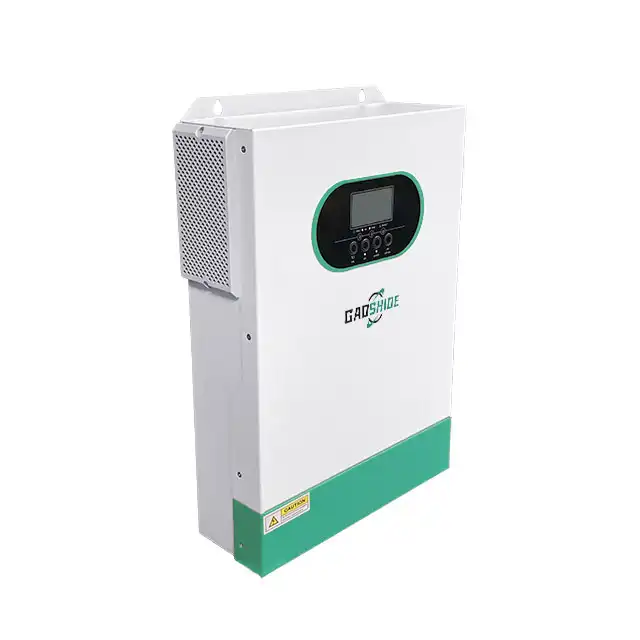
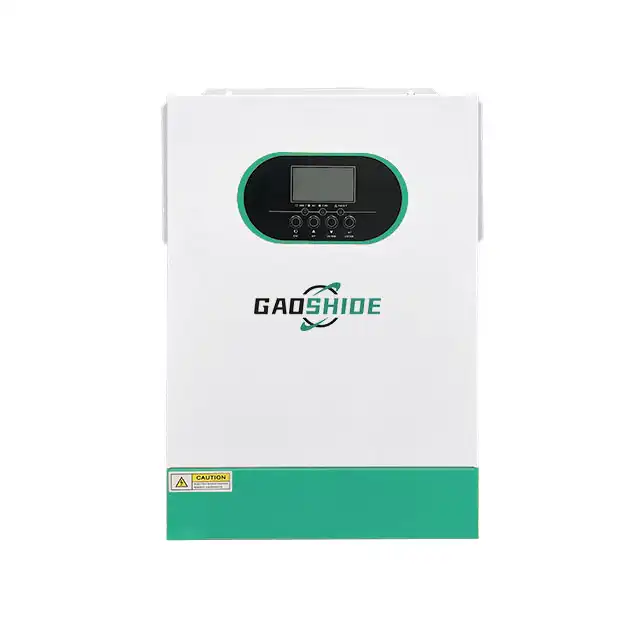
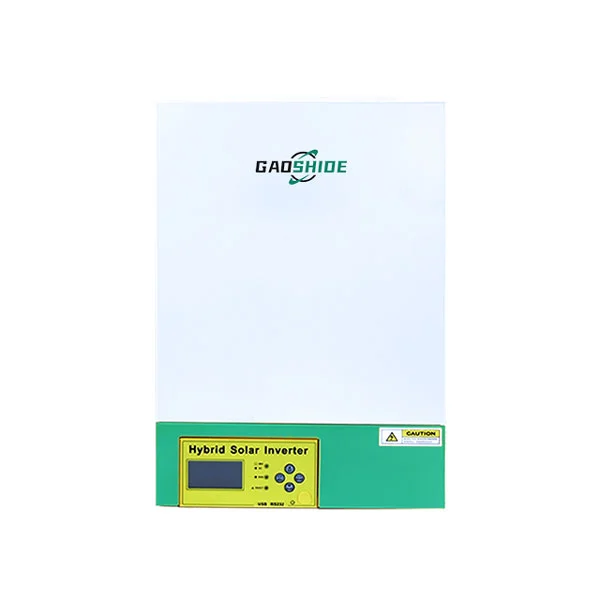
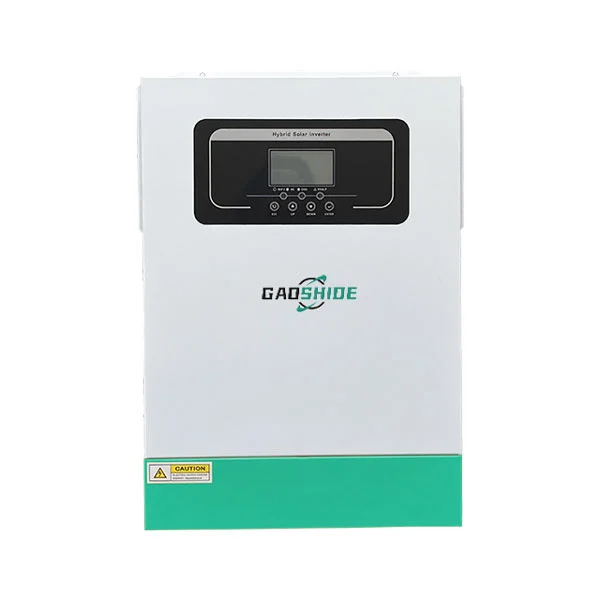
off grid 3 phase inverter
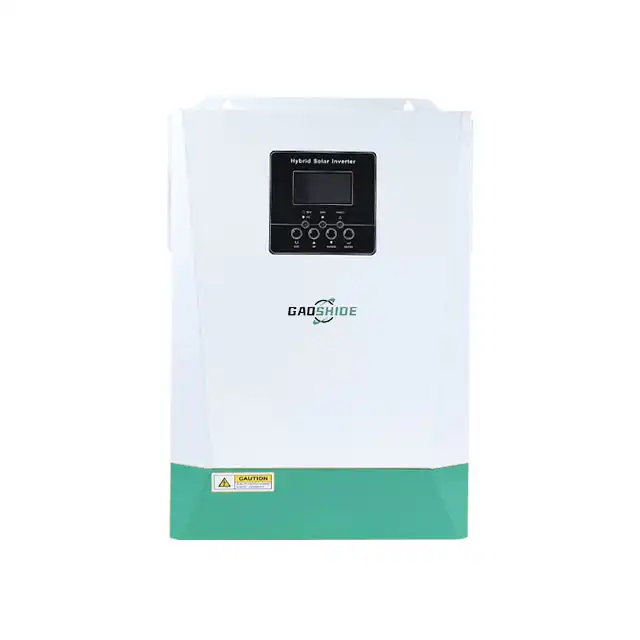
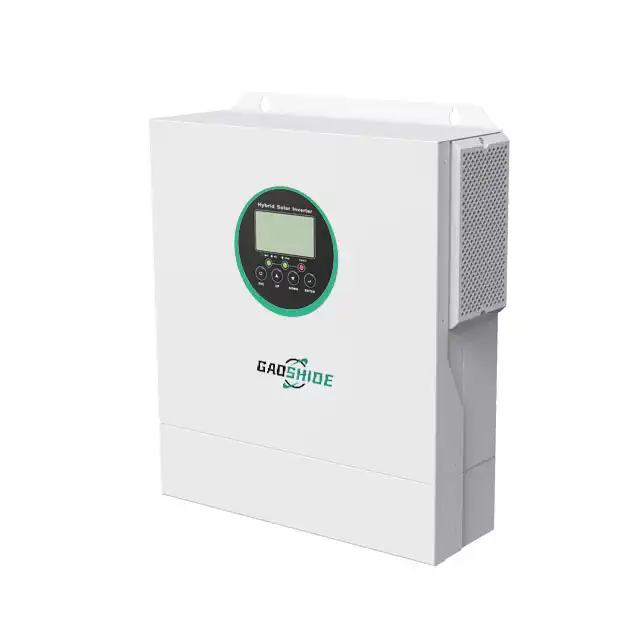
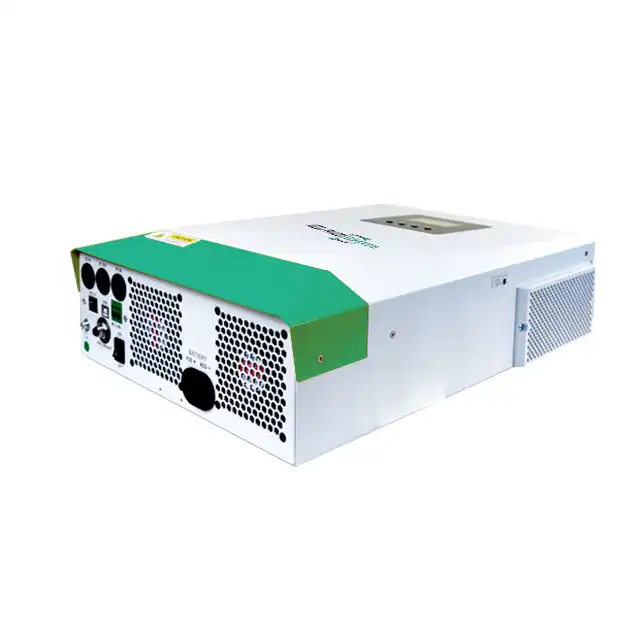
Features -Pure sine wave -Power factor 1.0 -PV input 500Vdc Max -Built-in MPPT 100A -Capable to work without battery -Detachable dust cover for harsh environment -WiFi remote monitoring optional -Compatible work with lifepo4 battery via RS485 -Parallel operation with up to 12 units, support parallel in 1phase/3phase -Battery equalization function to optimize battery performance and extend lifecycle
Send InquiryOff Grid 3 Phase Inverter - Industrial-Grade Power Solutions for Remote Operations
When your operations demand reliable, continuous three-phase power without grid dependency, an off grid 3 phase inverter becomes your mission-critical equipment. Xi'an Gaoshide New Energy Technology Co., Ltd specializes in industrial-grade power conversion systems designed for the harshest environments. Our units feature pure sine wave output with power factor 1.0, supporting up to 500Vdc PV input with built-in 100A MPPT controllers. Each system handles 100% unbalanced loads across phases without voltage deviation. The robust design includes detachable dust covers for extreme conditions, RS485 communication for LiFePO4 battery integration, and parallel capability supporting up to 12 units in single or three-phase configurations. With THD below 3% and overload capacity reaching 150% for extended periods, these inverters deliver industrial-grade performance where you need it most.
What Makes Three-Phase Off-Grid Power Conversion Essential?
A product transforms DC power from batteries or solar arrays into synchronized three-phase AC electricity at 380V/400V/415V line-to-line voltage. Unlike single-phase units, these systems utilize Space Vector Pulse Width Modulation technology to maintain precise 120-degree phase separation.
This technology solves three critical industrial challenges. First, it powers heavy inductive equipment like three-phase motors, compressors, and industrial pumps requiring massive startup currents. Second, it manages unbalanced load conditions where demand varies dramatically between phases. Third, it provides centralized power infrastructure for remote sites where grid extension costs exceed feasibility.
The topology matters significantly for your application. Low-frequency designs incorporate heavy-duty isolation transformers offering superior surge protection and electrical isolation. High-frequency variants reduce weight and cost but sacrifice robustness in demanding environments. Your choice depends on load characteristics and environmental conditions.
Product Parameters
| Specification | Details |
|---|---|
| Rated Power | 10kW–100kW (customizable) |
| Input Voltage Range | 300–800V DC |
| Output Voltage | 380/400/415V AC (±1%) |
| Output Frequency | 50/60Hz (±0.1%) |
| Efficiency | >98% |
| Protection Class | IP65 |
| Operating Temperature | -25°C to 60°C |
| Cooling System | Intelligent Fan Cooling |
| Communication | RS485, CAN, Ethernet |
Industrial Applications Where Performance Matters
Rock crushers, conveyor systems and ventilation equipment at remote mining and extraction sites need reliable power. Your product must be able to survive high dust ingress and large inrush currents of the motors. The Gaoshide units provide IP54+ protection and removable dust covers for these environments.
Agricultural Irrigation Operationsrely on huge submersible three-phase pumps located remotely from utility infrastructure. Soft-start features reduce the mechanical stress on pump motors as well as electrical spikes. The battery equalisation functions maximise the energy storage performance for seasonal demand changes.
Island Resorts and Telecommunication Infrastructure need 24/7 reliability via microgrids with solar PV, battery storage and diesel backup. The dry contact signalling triggers automated generator start-up when the battery voltage approaches critical levels. This transparent integration offers business continuity without any operator involvement.
Remote Commercial Cold Storage Facilities need dependable three-phase power for refrigeration compressors. Independent phase regulation maintains a constant voltage even with large variations in phase loading that occur when compressors cycle.
Advanced Features Delivering Competitive Advantages
Your activities benefit from separate phase voltage regulation, which provides stability in case of imbalanced loading situations. With Phase A at 100% load and Phases B and C idle, output voltage is within specification and no overheating or tripping is occurring.
The capacity to work in parallel scales power from single units to multi-hundred kilowatt systems. Active load sharing through parallel communications connections distributes the load evenly over as many as 12 synchronised devices. This modular design allows for a growth flexible system with redundancy.
Battery chemical versatility for differing energy storage requirements. Major LiFePO4 battery management systems talk using RS485 and CAN bus protocols to optimise charge curves and safety settings. Full support is still provided for existing systems using legacy lead-acid and gel batteries.
Heavy duty transformers offer a galvanic separation which protects sensitive devices from voltage spikes and electrical noise. This full isolation is critical in industrial contexts where you have welders, motor starters, and other kinds of disturbance.
WiFi remote monitoring capabilities let you monitor system performance, battery state and load profiles from anywhere. Early warning signals keep you informed of developing concerns before they impair operations. This proactive strategy reduces downtime and maintenance expenses.
Understanding Quality Standards and Reliability
Professional deployment of your off grid 3 phase inverter requires verification of critical performance metrics. Dynamic load transient response should recover voltage within 10 milliseconds when loads step instantaneously from zero to full capacity.
Thermal cycling tests are performed by operating devices at full load in 40-50°C ambient conditions for 24-48 hours to verify component reliability. This burn-in period removes early failures before equipment arrives at your site.
DSP control short circuit prevention detects flaws in microseconds protecting pricey IGBT components. Conformal coating on PCB protects against corrosion in humid or salt-mist situations per IEC 60068 standards.
Gaoshide operates under strict ISO 9001 manufacturing processes to ensure consistent quality throughout production runs. Safety conformance to IEC 62109-1/-2 verifies electrical safety. EN 61000-6-1/3 EMC standards verify electromagnetic compatibility.
System Integration Considerations
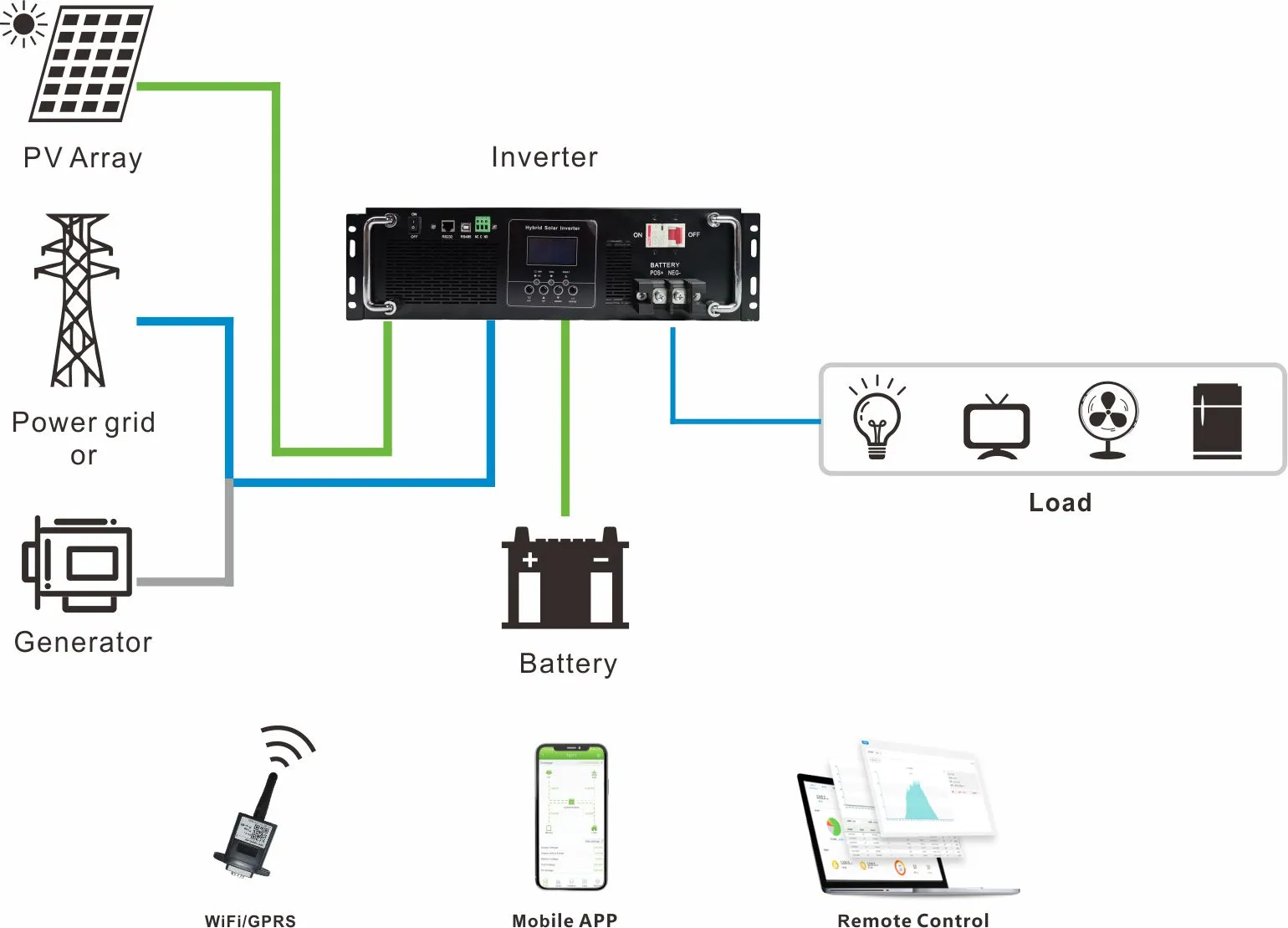
Backup generator integration needs a wide frequency tolerance to accommodate diesel generator fluctuations, often 40-70Hz. The AC input port may receive generator power, while dry contact interfaces signal automatic starting when batteries depletion.
Optimising the utilisation of renewable energy, Solar PV integration employs built-in MPPT controllers for maximum power point tracking under fluctuating irradiation circumstances. The 500Vdc input rating enables big solar arrays decreasing DC wiring losses.
Capability for battery free operation (allows grid independence operation directly from sunlight during daytime hours). This functionality is useful in applications with just daytime loads, minimising the battery investment requirements.
The technology switches effortlessly between power sources depending on demand and availability. When solar is available, it is used; batteries are charged for usage at night and generators are used for long stretches of overcast weather or peak loads.
FAQ
Q: Can these inverters handle completely unbalanced loads long-term?
A: Yes, premium low-frequency models with independent phase regulation support 100% load imbalance indefinitely. You can run 10kW on Phase A with nothing on Phases B and C without voltage deviation or thermal issues.
Q: How does generator integration actually work?
A: The unit features an AC input port accepting generator power and dry contact interfaces for automatic starting. Wide frequency tolerance from 40-70Hz accommodates typical generator fluctuations unlike grid-tied equipment.
Q: What distinguishes high-frequency from low-frequency three-phase inverters?
A: Low-frequency units incorporate heavy transformers providing galvanic isolation and superior surge absorption ideal for inductive motor loads. High-frequency designs reduce weight and cost but offer less protection in harsh industrial environments.
Q: Can multiple units scale to larger capacities?
A: Absolutely. Many industrial models support parallel operation of 6-12 units using active current sharing through parallel communication cables. This scales systems from 10kW to megawatt levels maintaining redundancy.
Q: Do these work with modern lithium batteries?
A: Yes, current models support CAN bus and RS485 protocols compatible with major lithium battery brands including Pylontech and BYD. This optimizes charging curves and safety parameters specific to LiFePO4 chemistry.
Q: What maintenance do these systems require?
A: Detachable dust covers should be cleaned quarterly in dusty environments. Thermal management fans need annual inspection. Battery equalization runs automatically optimizing long-term storage performance. Firmware updates via WiFi keep systems current.
Ready to Power Your Off-Grid Operations?
Contact us at admin@gaoside.com to discuss your specific off grid 3 phase inverter requirements and receive customized solution recommendations.
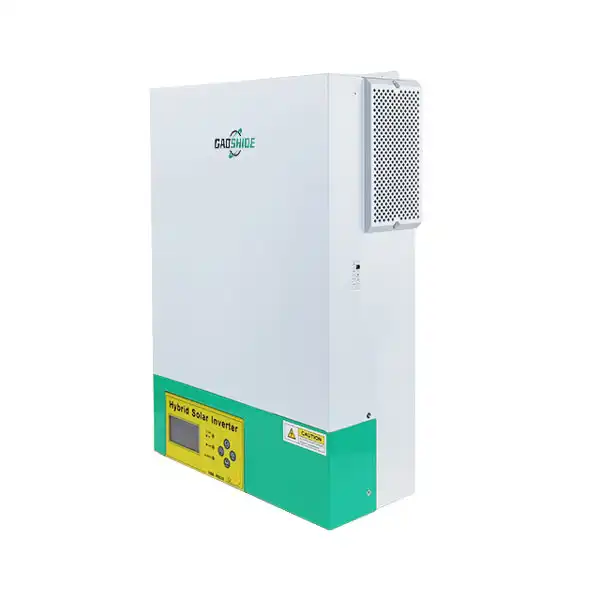
Quick Links