

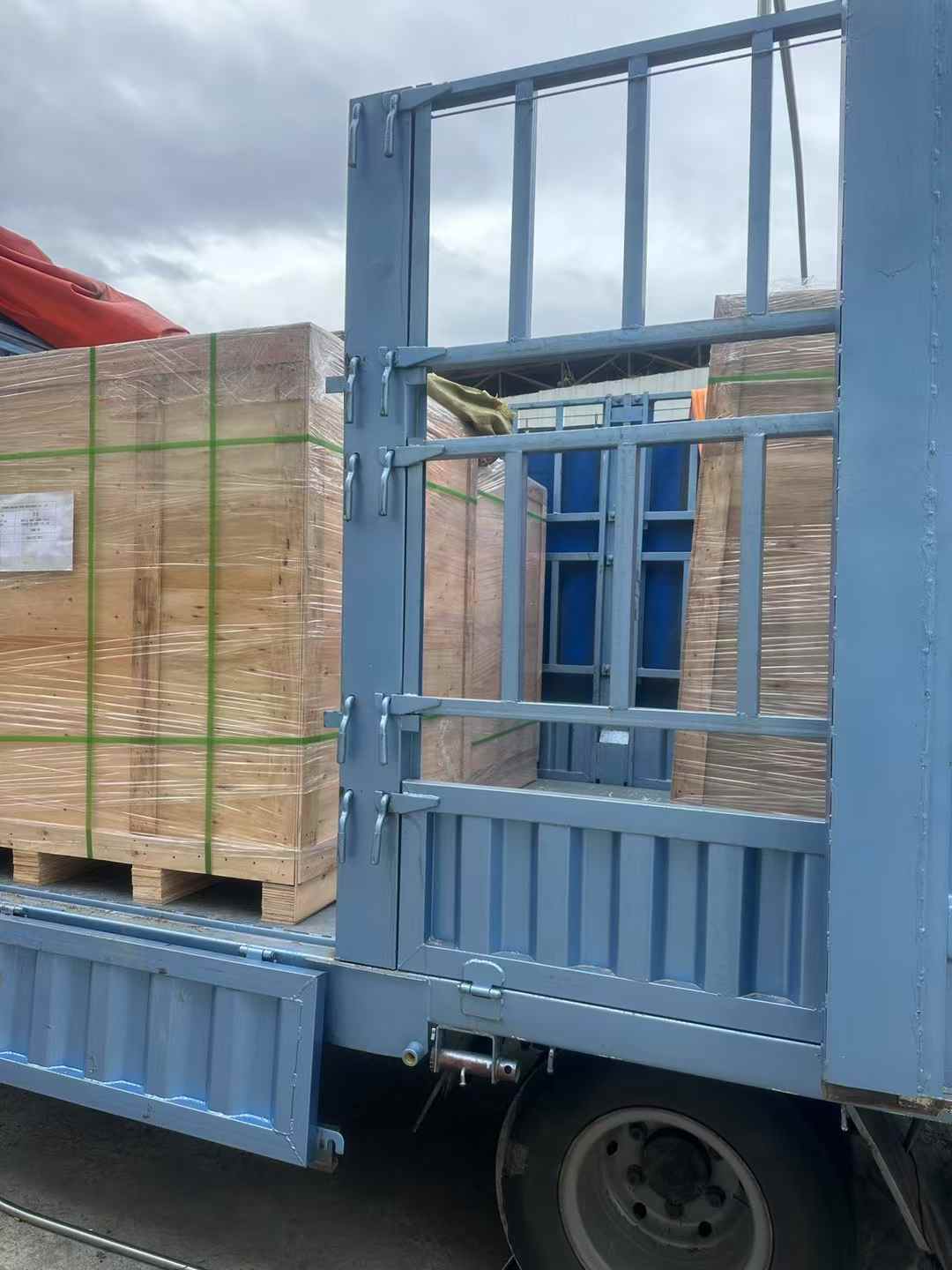
Getting the right certifications, making sure you have all the necessary paperwork, organizing special shipping and operations, and doing thorough quality checks when the goods arrive are all parts of the import process for Energy Storage Power Supply. Because they use lithium batteries, energy storage systems have to follow international safety standards and rules about dangerous materials. This means that they need to be carefully prepared and follow the rules in order to be imported.
Understanding Energy Storage Power Supplies: Key Concepts and Importance
Energy storage power sources are a huge step forward in modern energy infrastructure. They are complex systems that collect electricity, store it, and then release it when it's needed. Lithium-ion phosphate (LiFePO₄), lead-acid, and flow batteries are some of the more modern battery technologies used in these products. Each has its own benefits for different uses and working conditions.
Core Technology and Working Principles
Energy storage systems work by using electrochemical processes to change electrical energy into chemical energy when they are charged and back again when they are discharged. Lithium iron phosphate technology is the best of its kind because it has a high energy density, a cycle life of more than 4,000 cycles, and better heat stability than other battery chemistries.
Modern energy storage systems include complex Battery Management Systems (BMS) that keep an eye on how well the cells are working, control how many times they can be charged and discharged, and make sure there are enough safety precautions in place. These systems make sure that the best performance is achieved while also stopping overcharging, burning, and other possibly dangerous situations that could harm the system or users.
Market Dynamics and Strategic Importance
The global energy storage market has grown at a speed that has never been seen before. This is due to more people using green energy, efforts to update power grids, and a greater need for safe backup power options. Businesses that bring these technologies into their countries have a lot of possibilities thanks to government policies that support efforts to reduce carbon emissions and the use of utility-scale energy storage.
A recent study of the industry says that just the domestic energy storage section is expected to hit large market values, with North America and Europe having the highest usage rates. This growth pattern shows a larger trend toward energy freedom, grid stability, and sustainable power control in the business, domestic, and industry sectors.
Step-by-Step Breakdown of the Energy Storage Power Supply Import Process
Importing energy storage systems needs careful planning and following the complicated rules that govern shipping battery-containing goods across international borders. By understanding each step of this process, buying teams can avoid delays that cost a lot of money and make sure that the purchase goes smoothly and legally.
Pre-Import Preparation and Documentation
For energy storage power supply imports to work, all the necessary paperwork and certifications must be carefully collected and checked. Important papers include business bills with product details, certificates of origin that prove where the product was made, and Material Safety Data Sheets (MSDS) that give important safety information for lithium battery parts.
Certification needs vary by market but usually include CE marking for imports into the European Union, UL listing for markets in the United States, and UN38.3 certification for transporting lithium batteries by air between countries. These certificates show that the product is safe, works with electric fields, and meets all safety standards. The people in charge of buying things have to make sure that the certifications are real and that the paperwork fits the exact specs of the foreign goods.
Specialized Shipping and Logistics Considerations
Energy storage systems with lithium batteries are considered risky goods and need to be handled in a special way throughout the entire shipping chain. For shipping lithium batteries, the packaging must meet the standards set by the International Air Transport Association (IATA). This includes the right labels, paperwork, and safety steps to keep the batteries from short-circuiting or getting damaged during transport.
When sending a lot of items, ocean freight is usually the most cost-effective choice. On the other hand, air freight is faster for urgent orders but costs more and has tighter number limits. Freight forwarders with a lot of experience shipping batteries can handle complicated rules and make sure that the right means of transportation are used based on how quickly the shipment needs to get there and how many batteries need to be sent.
Customs Clearance and Inspection Protocols
For energy storage goods to get through customs, safety paperwork must be carefully looked over, tax classification must be checked, and products may need to be physically inspected. The Harmonized System (HS) numbers for energy storage systems are different depending on the features of the product. This changes the tax rates and entry requirements.
When the product gets to its destination, strict quality control steps make sure it meets all the requirements for its intended use. Protocols for testing usually include checking the capacity, checking the operation of the BMS, and making sure the safety system works. These checks make sure that goods aren't broken and that they meet the technical requirements set out in buy agreements.
Comparison: Importing Energy Storage Power Supplies vs Traditional Power Supplies
Importing energy storage presents special problems that aren't present when buying regular power tools. These problems are mostly caused by the lithium batteries and the safety rules that go with them. Knowing these differences helps buying teams come up with good plans for importing goods and think about their budgets.
Enhanced Safety and Compliance Requirements
Most of the time, standard electrical equipment rules apply to traditional power sources. However, because they contain lithium batteries, energy storage systems must follow rules for transporting dangerous materials. This higher level of regulation means that special paperwork, packing rules, and shipping procedures are needed, which makes things more complicated and adds to the work of managing them.
When lithium batteries are present, they cause extra safety checks to be done, such as testing for heat runaway, making sure that cells are consistent, and checking the fire control system. There are good reasons to be worried about the safety of lithium battery technology, so these standards mean that there must be stricter quality control methods and longer lead times than with regular power tools.
Cost Structure and Timeline Implications
The costs of importing energy storage power supply systems are usually higher than those of importing traditional power sources. This is because shipping lithium batteries requires special treatment and costs more for approval and insurance. Modern energy storage solutions, on the other hand, often make up for these extra costs through better operating benefits and longer service lives thanks to their improved technology and performance capabilities.
Importing energy storage usually takes longer than importing regular power tools because of more paperwork that needs to be filled out, different shipping plans, and strict quality control rules. When planning project plans and managing construction activities, procurement teams should take these longer deadlines into account.
The best ways to handle energy storage imports are to hire customs traders who know a lot about battery technology, get full contracts from suppliers that cover foreign shipping, and set clear quality standards before the goods are sent out. These steps help lower risks and make sure that the job turns out well.
Optimizing Import Decisions: Choosing the Right Energy Storage Power Supply Solutions
To choose the right energy storage device, you need to carefully look at the technical specs, the working needs, and the expected long-term performance. Different battery types have different benefits based on the climate and the needs of the application.
Technology Comparison and Selection Criteria
Lithium iron phosphate (LiFePO₄) batteries work really well in home and business uses that need long cycle life, better safety features, and great heat stability. These systems can usually handle more than 4,000 charge cycles and keep working well in a wide range of temperatures, which makes them perfect for daily riding tasks.
Lead-acid batteries are still used in some markets where lower starting costs are more important than performance limits. This is especially true in backup power applications that only need to be cycled occasionally. However, their shorter life span and lower energy density make them less useful in current energy storage systems that value stability and efficiency.
Flow batteries are a new technology that has almost infinite cycle life and scalable capacity. However, they are very expensive right now, so they can only be used in certain situations that need to store things for a very long time.
Manufacturer Evaluation and Selection
Leading energy storage companies have built strong names by consistently making high-quality products and providing reliable help after the sale. Companies like Tesla, LG Energy Solution, and BYD have shown that they can make great products and provide excellent customer service around the world, which gives people trust when they buy things from other countries.
Procurement teams should look at a possible supplier's manufacturing licenses, quality control methods, and expert help skills when they are reviewing them. ISO 9001 certification means that a company has strong quality management systems, and ISO 14001 certification means that a company is committed to being environmentally responsible in a way that fits with sustainability goals.
Warranty terms and assistance after the sale are very important when making a choice, especially when buying something from another country where service options may be restricted. A full warranty should cover things like promises that the product will be replaced, performance warranties that last for more than one year, and easy access to expert help for things like installation and upkeep.
Conclusion
When importing an energy storage power supply, you have to pay close attention to rules and regulations, special shipping needs, and quality control procedures that make these items different from regular power tools. To be successful, you need to plan ahead, make sure you have all the right paperwork, and work with experienced sellers who know the technical requirements and requirements for foreign trade. Modern energy storage technology has many benefits over older power options. The extra complexity is worth it because it improves performance, extends service life, and makes things safer, all of which support long-term operating goals.
FAQ
1. What certifications are required for importing energy storage systems?
Energy storage systems typically require multiple certifications depending on the destination market. CE marking is mandatory for European Union imports, demonstrating compliance with safety and electromagnetic compatibility standards. UL certification is essential for United States markets, while UN38.3 certification is required for international transportation of lithium batteries. Additional certifications may include IEC standards, RoHS compliance, and local electrical safety approvals specific to individual countries.
2. How long does the import process typically take?
Import timelines for energy storage systems generally range from 4 to 8 weeks, depending on shipping method, customs processing requirements, and quality inspection protocols. Ocean freight shipments typically require 3-5 weeks for transportation plus additional time for customs clearance and quality verification. Air freight reduces transit time to 1-2 weeks but may involve quantity restrictions and higher costs due to lithium battery transportation regulations.
3. What are the main cost factors in energy storage imports?
Primary cost components include product pricing, international shipping charges, customs duties, insurance premiums, and quality inspection fees. Specialized handling requirements for lithium batteries increase shipping costs compared to conventional equipment. Customs duties vary by country and product classification, while insurance costs reflect the higher value and specialized nature of energy storage equipment.
4. How should energy storage systems be packaged for international shipping?
Proper packaging must comply with IATA dangerous goods regulations for lithium battery shipment, including appropriate labeling, protective packaging materials, and documentation requirements. Packaging should prevent short circuits, protect against physical damage, and include clear identification of battery content. Professional packaging services experienced with lithium battery regulations ensure compliance and reduce transportation risks.
Partner with Gaoshide for Your Energy Storage Power Supply Import Needs
We at Gaoshide New Energy Technology are ready to help you with your energy storage needs by offering complete solutions made for foreign markets. Our experienced team helps with every step of the process, from choosing the right product to clearing customs and making sure the quality is good. This makes sure that both home and business imports go smoothly. Get in touch with our experts at admin@gaoside.com to find out how our approved Energy Storage Power Supply solutions can help your project succeed and how our dedicated support services can make the import process easier.
References
1. International Energy Agency. "Global Energy Storage Market Analysis and Policy Framework Development." Energy Technology Policy Report, 2023.
2. Battery Industry Research Association. "Lithium-Ion Battery Import Regulations and Compliance Standards for International Trade." Technical Publication Series, 2023.
3. International Air Transport Association. "Dangerous Goods Regulations for Lithium Battery Transportation and Shipping Requirements." IATA Guidelines Manual, 2024.
4. U.S. Department of Commerce. "Energy Storage System Import Classification and Tariff Schedule Analysis." Trade Policy Documentation, 2023.
5. European Commission. "CE Marking Requirements for Energy Storage Systems and Battery Technologies in EU Markets." Regulatory Compliance Guide, 2023.
6. United Nations Economic Commission for Europe. "UN38.3 Testing Standards for Lithium Battery International Transportation and Safety Certification." Technical Standards Publication, 2024.
YOU MAY LIKE