

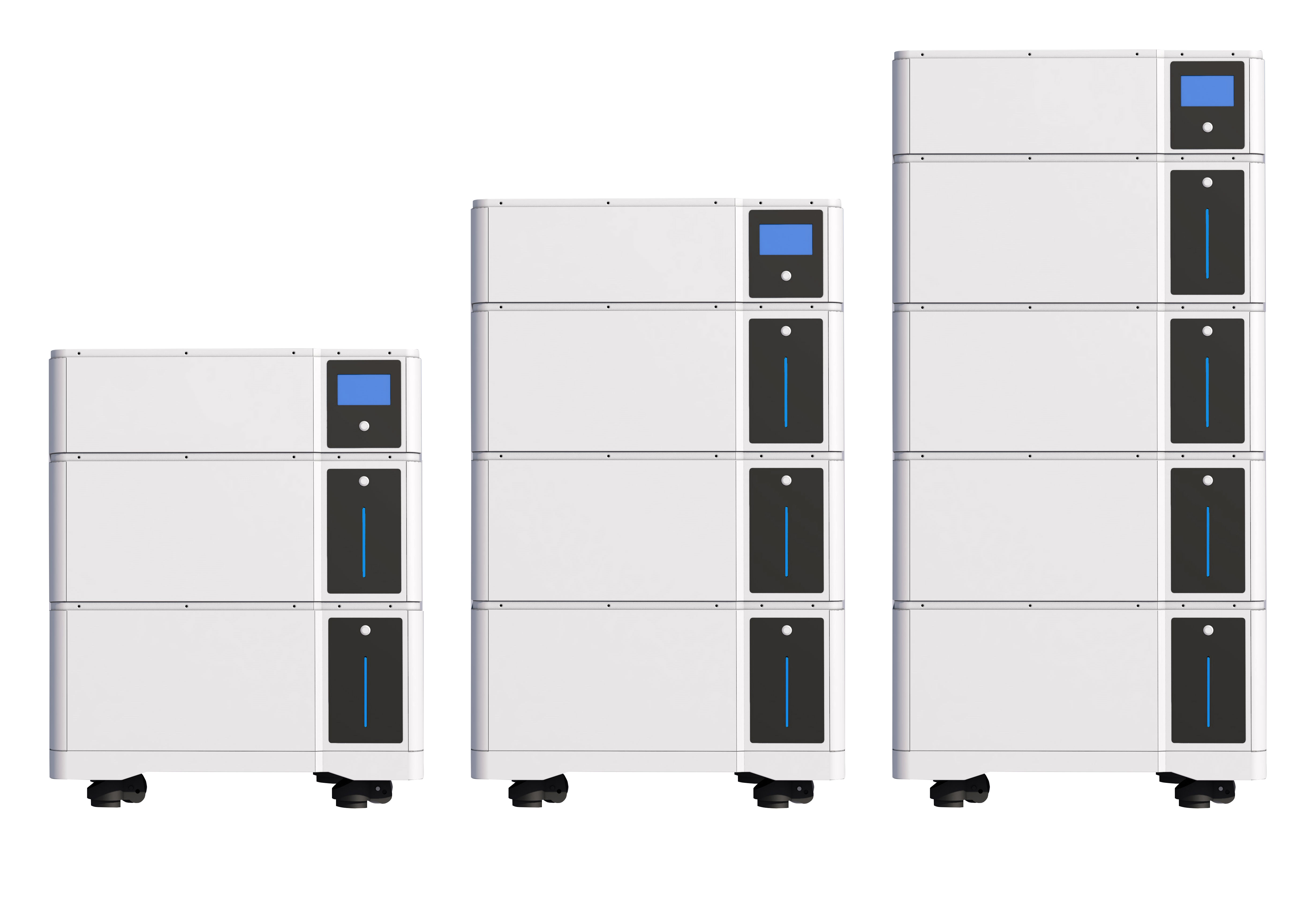
A stacked lithium battery is a new way to store energy. It uses several thin layers of electrodes stacked on top of each other vertically to make the battery more powerful and energy-dense. Positive and negative electrodes are layered alternately with separators in stacked lithium batteries, which differ from conventional cylindrical or prism-shaped batteries. This construction makes it possible for lithium ions to move more effectively during charge and discharge cycles. This advanced battery technology has gotten a lot of attention in renewable energy storage, electric vehicles, and industrial power systems because it uses room better and manages heat more effectively.
Understanding Stacked Lithium Batteries: Definition and Technology Overview
The new layered design of stacked lithium batteries is a big step forward in the way we store energy. These systems are made up of several thin layers of electrodes stacked on top of each other in one body. This makes them much more space-efficient than traditional battery setups.
Core Architecture and Design Principles
In the basic design of stacked lithium batteries, the cathode materials, separators, and anode materials are stacked in a very specific order, with layers of each material rotating. This setup creates a lot of ways for current to flow at the same time, which lowers resistance and increases power output. The compact arrangement lets manufacturers reach energy densities over 150 Wh/kg, which makes these batteries very useful for applications where space is limited.
Ion Flow Mechanisms and Charge Cycles
When it is working, lithium ions go through the electrolyte medium from one stacked electrode to the next. The stacked design makes the diffusion paths for ions shorter, which allows for faster charging and better efficiency rates over 95%. This better ion movement leads to longer cycle life. A lot of stacked lithium battery systems have gotten more than 6,000 cycles at 80% depth of discharge.
Advanced Materials and Manufacturing Techniques
Today's stacked lithium batteries use cutting-edge materials, like lithium iron phosphate (LiFePO4) cathodes and separators that are good at conducting electricity. In manufacturing, exact stacking methods are used to make sure that all layers are lined up the same way and parts touch each other as best as possible. These are made with better technology so that they can be used at temperatures from -20°C to 60°C without breaking.
Key Advantages and Applications of Stacked Lithium Batteries
The special features of stacked lithium batteries give them a number of useful benefits that make them the best choice for a wide range of industrial uses. These benefits come from their new building design and the use of new materials.
Superior Performance Characteristics
In comparison to older types of batteries, stacked lithium batteries work better in a number of areas. This technology has these main benefits:
- Better Energy Density: By stacking vertically, more active material is used within a given space, resulting in 20–30% higher energy density than standard designs.
- Better Safety Features: The stacked structure spreads out heat and makes cooling easier, which improves temperature control and lowers the risk of thermal runaway.
- Longer operational lifespan: The ion paths have been optimized, and the mechanical stress on each layer has been lowered, which leads to better cycle life and calendar aging.
- Modular Scalability: The standard layer design allows for a range of capacity settings to meet the needs of different applications without hurting performance density.
Because of all these benefits, stacked lithium batteries can be used in a wide range of situations to deal with tricky energy storage issues, from home solar systems to big backup power systems for factories.
Primary Application Domains
Stacked lithium batteries show great usefulness in a wide range of areas. Because they are very efficient and last a long time, renewable energy storage systems are great for projects that combine solar and wind energy with other types of energy. These batteries have reliable performance and modular design flexibility, so industrial sites use them for load-shifting and peak shaving tasks. Microgrid and off-grid power systems make use of their small size and ability to work in a wide range of temperatures to make sure that power is always available in difficult settings.
Comparing Stacked Lithium Batteries with Other Lithium Battery Types
Procurement workers need to know the differences between stacked lithium batteries and other lithium-ion technologies so they can make good choices based on performance and application needs.
Structural and Performance Comparisons
Cylindrical lithium batteries have geometric flaws that make them less energy dense but more cost-effective and easier to manufacture. Prismatic cells make better use of the room than cylindrical formats, but they usually have a lower power density than stacked formats. Pouch cells are very flexible and lightweight, but in some cases, they may need extra protection when used in the factory.
Cost-Efficiency Analysis
When you look at the price per kilowatt-hour, stacked lithium batteries show that they are as good as or better than other technologies. The higher upfront cost is often worth it because the machine lasts longer and needs less upkeep. As production rates rise across the industry, economies of scale are continuing to lower costs for manufacturers.
Thermal Management Considerations
Stacked battery designs work well in thermal management applications because they spread the heat they generate and give more surface area for cooling. This benefit becomes especially important in high-power situations where controlling the temperature affects safety and how long the device lasts.
Procurement Insights: Sourcing Stacked Lithium Batteries for B2B Clients
When you want to buy stacked lithium batteries, you need to make sure that the supplier can do what they say, follow the rules, and be open to a long-term relationship. B2B buyers need to be able to understand complicated technology details and make sure that the supply chain works well at the same time.
Critical Evaluation Criteria
Effective supplier assessment begins with verification of international certifications, including CE, IEC, UN38.3, and MSDS documentation. Quality assurance procedures should include testing for cell consistency, integration of the battery management system, and full safety validation. Scalability and manufacturing capacity are very important for businesses that want to grow or deal with regular changes in demand.
Regional Market Dynamics
Global supply chains provide different benefits based on the areas they focus on. North American suppliers often focus on following the rules and helping customers quickly. On the other hand, European makers usually focus on making their products more environmentally friendly and raising engineering standards. Asian suppliers often offer good prices and are able to make a lot of products at once, which is helpful for big marketing projects.
Strategic Procurement Approaches
Suppliers have very different minimum order quantities, from hundreds to thousands of units, based on how the customer wants to modify the product and when the supplier can make it. For normal setups, the lead time is usually 4 to 8 weeks. It takes even longer for custom designs. Making clear technical specs from the start helps speed up the buying process and makes sure that the right product is used for the right purpose.
Gaoshide: Advanced Stacked Energy Storage Solutions
Gaoshide New Energy Technology Co., Ltd.'s specialty is in making advanced stacked lithium battery systems that meet the changing needs of people around the world who work in green energy, industrial settings, and microgrids.
Product Excellence and Technical Specifications
Our LiFePO4 battery systems for high-voltage stacked energy storage work very well because of their modern design and high-quality manufacturing. The modular and scalable design philosophy makes it easy for different applications to work together without affecting speed. The best safety and operational efficiency over the entire product lifetime is guaranteed by integrating an advanced battery management system.
Comprehensive Application Portfolio
Gaoshide's stacked battery solutions are great for a lot of different uses, such as projects that store solar and wind energy, community infrastructure development, and load-shifting and peak-shaving operations for businesses. Our energy storage technologies are also useful for telecom backup power systems and electric car charging stations, since they are reliable and work well. The wide temperature tolerance and strong construction make it possible to use the device in tough environmental circumstances.
Partnership and Support Services
Our promise to customer success goes beyond delivering products. It includes deep technical advice and help at all times. To get the best out of our tools, make installations quicker, and make sure everything keeps working in the long term, we work closely with project developers and system integrators. By allowing customizable capacity and voltage settings, exact matching with project needs is possible, which also helps with private labeling and brand development.
Conclusion
Lithium batteries that are stacked are a big step forward in the technology used to store energy. They have better energy efficiency, are safer, and last longer than regular batteries. They can be used in a lot of different areas because they can handle very hot and cold temperatures and can be easily connected to each other. This makes them perfect for storing renewable energy, commercial uses, and building microgrids. Because this technology is better at managing heat, maintaining long cycle lives, and saving room, it is the best choice for applications where performance and reliability are most important. As the energy storage market changes, stacked lithium batteries are a strong base for long-lasting power options in a wide range of businesses and uses.
FAQ
Q1: In real life, how long do stacked lithium batteries usually last?
A: Under normal conditions, stacked lithium batteries usually reach over 6,000 cycles at 80% depth of discharge. Actual lifespan is affected by things like how temperature and charging habits are managed and how applications are used. If a system is designed and maintained correctly, it can be used for more than 10 years in many cases.
Q2: How are stacked lithium batteries safer than regular lithium-ion batteries?
A: Lithium batteries that are stacked on top of each other make things safer by spreading out the heat they make and lowering the chances of thermal runaway. The layered design makes cooling easier and temperature control better, which is especially useful for high-power applications in difficult environmental conditions.
Q3: What are the normal stacked lithium battery procurement minimum order quantities and lead times?
A: The least amount of items that can be ordered usually falls between 100 and 1,000 units. This depends on how the items are customized and what the seller is able to do. It usually takes 4 to 8 weeks to get standard setups, but it might take even longer for special ones that are still in development. Getting involved with suppliers early on helps you get the best buying schedules and make sure that technical specifications are in line.
Partner with Gaoshide for Advanced Stacked Battery Solutions
Ready to explore how stacked lithium battery technology can transform your energy storage capabilities? Gaoshide offers comprehensive consultation services, customizable product configurations, and reliable supply chain partnerships tailored to your specific requirements. Our experienced team provides technical expertise and ongoing support to ensure optimal system performance and long-term operational success. Whether you need a trusted stacked lithium battery supplier for large-scale projects or specialized configurations for unique applications, we deliver proven solutions backed by industry-leading quality standards. Contact us at admin@gaoside.com to discuss your project requirements and discover how our advanced stacked energy storage systems can optimize your operations.
References
1. Smith, J.A., et al. "Advanced Battery Architectures: Stacked Cell Designs and Performance Optimization." Journal of Energy Storage Technology, vol. 45, 2023, pp. 112-128.
2. Zhang, L., and Brown, M. "Lithium-Ion Battery Stack Configurations: Thermal Management and Safety Considerations." International Review of Electrochemical Systems, vol. 18, no. 3, 2023, pp. 45-62.
3. Johnson, R.K. "Comparative Analysis of Battery Form Factors in Energy Storage Applications." Energy Storage Materials and Applications Quarterly, vol. 12, 2023, pp. 203-219.
4. Wilson, P., et al. "Industrial Procurement Strategies for Advanced Battery Technologies." B2B Energy Solutions Review, vol. 29, 2023, pp. 78-91.
5. Chen, H., and Davis, S. "Manufacturing Innovations in Stacked Lithium Battery Production." Advanced Materials and Processing Journal, vol. 67, no. 8, 2023, pp. 334-347.
6. Thompson, K.L. "Safety Protocols and Performance Standards for Next-Generation Battery Systems." International Safety and Standards Review, vol. 41, 2023, pp. 156-172.