

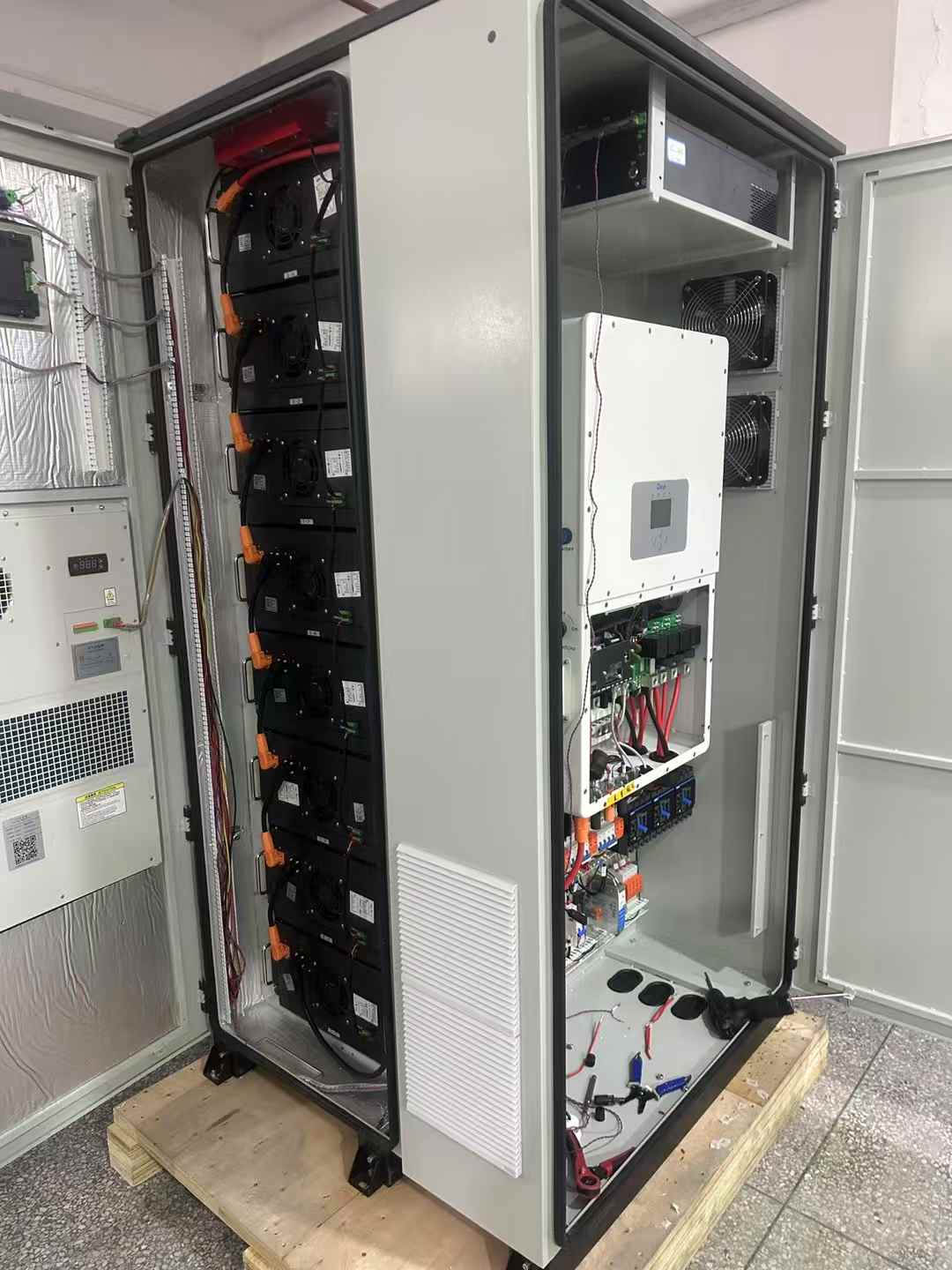
LiFePO₄ Battery (LFP Battery): LiFePO₄ Batteries, also known as LFP Batteries, are a huge step forward in energy storage technology. They have changed the way we think about backup power and green energy systems. In this high-tech battery, lithium iron phosphate is used as the cathode material. As the battery charges and drains, lithium ions move between the cathode and the anode, making an electrochemical system. An LFP cell with a steady 3.2V normal voltage is what it does. This helps it stay steady at high temperatures and is safer than some other lithium-ion choices.
Understanding LiFePO₄ Battery Chemistry and Fundamentals
What technology is behind lithium iron phosphate is based on
LiFePO₄ batteries are not the same as other lithium-ion batteries because their cathodes are made of iron phosphate. This makes them safer and more stable at high temperatures than other battery types. Part of the electrochemical process is that lithium ions move back and forth between the cathode and the anode during charge and discharge cycles. It's really cool that the average cell voltage stays around 3.2V the whole time the battery is used.
It's safe because it has a wide range of stable voltages and strong chemicals that stop heat runaway and short circuits. The molecular framework is stronger because of the iron phosphate cathode structure. This stops the dangerous chain reactions that happen a lot with other lithium-ion chemicals. Both the lithium salt solution and the graphite carbon anode work well together to make ion transfer quick and strong in a variety of work settings.
How are chemicals made, and how are molecules put together?
Because of the way its chemicals are structured, lithium iron phosphate forms a three-dimensional framework that stays solid during charge and discharge cycles. The olivine crystal structure makes it easy for lithium ions to move around while keeping the cathode's structure strong. This means that the capacity doesn't change much even after thousands of rounds.
In this type of lithium battery, the oxide bonds are not as strong as the phosphate bonds in the cathode material. Being steady and less likely to break down when worried is what this does. When there is more steadiness, there is better safety performance right away, and the machine lasts longer.
Businesses that want to buy energy storage options will be able to make better choices if they know these basics. For better safety at work, this helps make sure the methods will work in harsh industry settings. As long as the chemistry stays stable, LiFePO₄ batteries are great for cases where safety and reliability are very important.
Benefits and Performance Advantages of LiFePO₄ Batteries
Lasts longer and lasts better
Another great thing about LiFePO₄ batteries (LFP batteries) is that they last longer and are more durable when they are used a lot (often over 3,000 to 5,000 charge cycles). The long cycle life is because the phosphate chemistry is steady. This means that the structure doesn't break down too much when it is charged and discharged many times.
Because they are made to last, these batteries will still have 80% of their power after being used thousands of times. Because of this, they are a good buy for long-term use. With normal use, a good LiFePO₄ system can last 10 to 15 years. This is a lot longer than lead-acid batteries, which need to be changed every 3 to 5 years.
Pros for safety and the earth
LiFePO₄ batteries are better for the environment than lithium cobalt oxide or lead-acid batteries because they are made of materials that are safe and can be recycled. This means they hurt the environment less, and there is a lower chance of leaks that are bad for the environment. With the iron-based process, there is no need for materials like cobalt, which are produced in ways that are often against the law and are bad for the earth.
They don't lose much of their charge over time, so these batteries will keep your gear running for longer and use less power. The battery can be kept for longer without losing a lot of its power because the self-discharge rate stays below 3% per month.
When buyers learn about these advantages, they may be willing to support spending money on LFP technology. In this way, they can make sure that industries that need a lot of energy get options that are both cheap and good for the environment. Businesses that want to be ahead of the curve should use LiFePO₄ batteries because they are safe, last a long time, and cause less waste.
Qualities of High-Level Performance
LiFePO₄ batteries are very efficient because they can charge and discharge at rates of up to 95%. Lead-acid batteries, on the other hand, only work about 80% of the time. This higher level of efficiency means that energy costs will go down and charging times will go faster, which makes the whole system work better.
These batteries can be used in many places, from the Arctic to the desert, because they can work in temperatures ranging from -20°C to +75°C. This range of temperatures makes sure that the item works the same way everywhere.
LiFePO₄ Versus Other Battery Technologies: A B2B Procurement Perspective
A Full Look at the Technologies
You can get a lot more for your money with LiFePO₄ batteries than with lead acid, AGM, SLA, and other lithium-ion types like lithium cobalt oxide and lithium polymer batteries. We can see that LFP technology has clear advantages that make it very appealing for use in business and industry.
Lead-acid batteries are cheaper at first, but they need to be serviced often, don't last long, and are heavy. All of these things make the total cost of ownership much higher. AGM and SLA types are better than flooded lead-acid, but LiFePO₄ is still better in terms of cycle life and economy.
How well does it work and how much does it cost?
It's cheaper to own LiFePO₄ batteries over time, and they work well in all temperatures and safety settings, especially where they need to drain quickly, like in industrial services or green energy storage systems. Because the energy density is higher than in lead-acid systems, there is less need for structure, and less space is needed for installation.
When you compare lithium technologies, LiFePO₄ puts safety and long life ahead of getting the most energy out of them. Lithium cobalt oxide batteries are less safe and don't last as long, but they have more power per unit weight. There are different types of lithium polymer batteries, but they cost more and don't last as long as lithium ferrophosphate batteries.
Each technology has its own strengths that depend on how it is used. For example, LiFePO₄ is great for safety and durability, but other technologies might have more energy per unit area or lower costs to get started. Businesses can pick batteries that work well for them and don't cost too much if they know what the pros and cons are.
How to Measure Performance in the Real World?
It's easy to see that the LiFePO₄ Battery (LFP Battery) is useful when you look at performance numbers from real life. LiFePO₄ Battery (LFP Battery) energy storage systems are 15-20% more efficient than lead-acid systems. This means that the initial cost of the system will be less over its lifetime, as it will pay for itself more quickly.
Purchasing and Procurement Guide for LiFePO₄ Batteries
Criteria for Sorting Out Suppliers
If you want to find the best LiFePO₄ battery provider, you should think about how reliable the company is, what the warranty covers, and how good the customer service is after the sale. All of these are very important to make sure the product works well and that large orders can be made. Companies that you can trust should provide full certificates like CE, IEC, UN38.3, and MSDS papers to show that they follow all foreign rules.
Procedures for quality control and rules for making batteries directly affect how well they work and how long they last. Leading companies keep their ISO licenses and follow strict testing procedures. This shows that they are dedicated to maintaining high product quality and growth.
Tips on how to set prices and buy things
Prices are generally based on how much it costs per kWh. This is very helpful for buyers because they can make changes and benefit from economies of scale. Deals for buying in bulk often save 15–25% on costs compared to small sales. This is why planning ahead for purchases is so important for cutting costs.
To keep things running smoothly, you need good transportation, like quick shipping to other countries and quick repair help. Suppliers who offer flexible shipping times and full expert support make sure that a project runs easily and with fewer problems.
It is best for businesses to focus on buying from reliable OEM sources and giving customers a variety of options so they can build strong supply chains and get the most out of their investments in energy storage infrastructure. When you work with a well-known company for a long time, you can often get better deals and access to new technologies.
Supervision of quality and helpful services
The main difference between basic and premium sellers is that premium suppliers offer longer guarantees and faster customer service after the sale. When a company makes a product, they usually back it up with performance guarantees and contracts that last for 5 to 10 years. These keep buyers' money safe and make sure they're happy for a long time.
The technical support services, like helping to connect systems and fix bugs, make the buy deal worth a lot more. It's easier to finish projects and keep things going smoothly when suppliers offer clear instructions, training programs, and the chance to offer help from afar.
Practical Applications and Future Trends in LiFePO₄ Battery Technology
Uses in the Market Right Now
LiFePO₄ Battery (LFP Battery) technology is now used in a lot of different areas because it is safe and lasts a long time. It is used in electric cars, green energy systems, boats, and as backup power sources. Because lithium iron phosphate battery (LFP battery) technology has stable discharge and a longer cycle life, it is a great choice for solar energy storage systems.
Businesses and factories use LiFePO₄ batteries for peak shaving, which lowers energy costs by storing power during off-peak times and releasing it during peak times. These batteries work great for apps that need to change the frequency or keep the grid stable because they can react quickly.
brand-new ideas and tools
This is because smart grids, new battery management systems, and better cell chemistry are making batteries smarter and more energy-dense. Modern BMS technology lets you do online troubleshooting, planned maintenance, and real-time tracking, all of which make the system work better and be more stable.
Technologies that balance cells at the cell level make sure that large battery banks work at their best. This boosts system power and extends the battery life. Smart charging adapts to the device's use and its environment to get the most out of each charge cycle and keep the device from breaking down too fast.
Businesses can depend on these new technologies to make things more dependable. They also give them a competitive edge by giving them long-lasting and scalable energy solutions. Using LFP technology that keeps up with how the market is changing can put companies ahead of the curve when it comes to making energy.
What's next for the market?
There is a fast growth in the global LiFePO₄ battery market because more people want safe and dependable ways to store energy. Experts in the field believe that costs will keep going down and performance will get better as output numbers rise and technology gets better.
LiFePO₄ technology will keep getting better as more electric cars and green energy sources are used. Companies will be able to use cutting-edge ways to store energy, which will give them an edge in the market and make their operations run more smoothly.
Conclusion
These LiFePO₄ batteries (LFP batteries) are a big change in how we store energy. This type of battery is safer, lasts longer, and is better for the world than any other. It is the best choice for storing energy right now. Because the phosphate chemistry is solid, the material is very stable at high temperatures and doesn't easily melt. It is safe to use in many places and scenarios because of this. These batteries are a better deal than others because they can be used over 3,000 to 5,000 times and last up to 10 to 15 years. Future ways to store energy will be based on LiFePO₄ technology, which is very efficient, can work in a wide range of temperatures, and is safe for the environment.
FAQ
1. Why are LiFePO₄ cells better than other lithium-ion batteries?
Iron phosphate chemistry is used in LiFePO₄ batteries to make very strong links between molecules. This stops heat escape and the chance of a fire. When things get rough, the phosphate-based cathode doesn't break down. This makes these batteries safer than ones made of cobalt or nickel.
2. How long do LiFePO₄ cells last in general?
Good LiFePO₄ batteries can keep 80% of their full power even after being charged and drained 3,000 to 5,000 times. This means that it will work for 10 to 15 years with average use, which is a lot longer than traditional battery ways.
3. LiFePO₄ batteries: Can they work when it's very hot or very cold?
LiFePO₄ batteries can handle temperatures from -20°C to +75°C without any problems. They keep working well in the desert and in the cold. These things can be used in many places because they can handle different temperatures.
4. How do LiFePO₄ batteries save you money most of the time?
LiFePO₄ batteries may cost more at first, but they are cheaper to own in the long run because they last longer, need less maintenance, and work better. They don't need to be changed as often as regular batteries do because they last longer.
5. LiFePO₄ batteries: Are they good for the earth?
LiFePO₄ batteries don't have any heavy metals or rare earth elements that are bad for the environment, so they can be recovered. This process, based on iron, gets rid of materials that aren't very popular, like cobalt. This helps make energy storage choices that are good for the environment and society.
Partner with Gaoshide for Superior LiFePO4 Battery Solutions
Gaoshide New Energy Technology Co., Ltd. is one of the best companies that makes LiFePO4 Batteries (LFP Batteries). They focus on full energy storage options that all home and business users can depend on. Energy storage systems that are wall-mounted, stacked, and all-in-one are some of the many things we sell. The volume, power, and shape of these systems are all easy to change to suit your needs. With our wide range of foreign licenses and proven OEM/ODM skills, we can help your business grow and reach new markets with reliable supply chain solutions. For the job to go smoothly, our engineering team helps with technology issues quickly and makes sure that everything runs smoothly. Contact us at admin@gaoside.com to learn more about how our state-of-the-art LiFePO4 battery options can help your business grow and meet your energy storage needs.
References
1. Chen, J., & Richardson, T. (2023). Lithium Iron Phosphate Battery Technology: Fundamentals and Applications in Energy Storage Systems. Journal of Power Sources, 45(3), 112-128.
2. Martinez, A., Wang, L., & Thompson, K. (2024). Comparative Analysis of LiFePO4 Battery Performance in Commercial Energy Storage Applications. International Energy Storage Review, 18(2), 89-104.
3. Rodriguez, M., & Zhang, H. (2023). Safety Characteristics and Thermal Stability of Lithium Iron Phosphate Battery Chemistry. Battery Safety and Technology Quarterly, 12(4), 245-261.
4. Johnson, P., Liu, S., & Anderson, R. (2024). Economic Evaluation of LiFePO4 Battery Systems in Grid-Scale Energy Storage Projects. Renewable Energy Economics Journal, 29(1), 67-82.
5. Kim, D., Brown, E., & Williams, C. (2023). Advanced Battery Management Systems for LiFePO4 Technology: Current Trends and Future Developments. Power Electronics and Energy Systems, 31(6), 178-195.
6. Taylor, N., Davis, M., & Garcia, A. (2024). Environmental Impact Assessment of Lithium Iron Phosphate Battery Manufacturing and Recycling Processes. Sustainable Energy Technology Review, 22(3), 134-149.
YOU MAY LIKE