

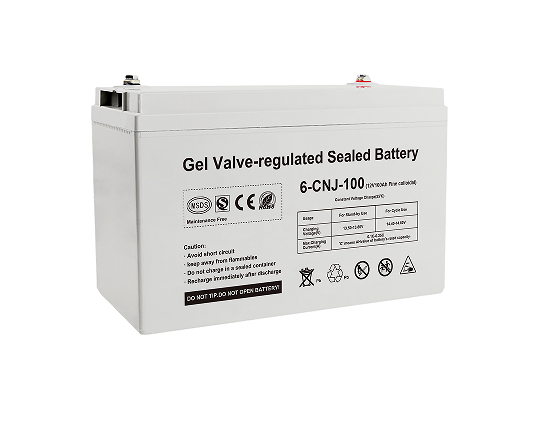
When the power goes out, having a reliable backup power source is important to keep things running and keep expensive tools safe. For decades, lead-acid batteries have been the mainstay of backup power systems. They are a tried-and-true option that is both cheap and reliable. These electrochemical powerhouses continue to rule the backup power market thanks to their strong construction, ability to work with current systems, and well-established recycling infrastructure. If you know how to choose, install, and take care of lead-acid battery systems correctly, you can avoid costly downtime during important times and keep the power on all the time.
Understanding Lead-Acid Batteries for Backup Power
Lead-acid batteries work by using a complex electrochemical process that changes chemical energy into electricity through reactions that can go both ways. In basic chemistry, plates of lead dioxide are used as the positive electrode, and plates of spongy lead are used as the negative electrode. Both are submerged in an electrolyte solution of sulfuric acid. During discharge, both plates change into lead sulfate, and the electrolyte thins out. This makes the current that runs backup systems.
Types of Lead-Acid Batteries for Backup Applications
In the backup power market, there are three main types of lead-acid batteries, each designed to work in a certain setting. Flooded lead-acid batteries are still the cheapest choice. Their caps can be taken off, which lets you check and maintain the liquid. Because they produce hydrogen gas while charging, these batteries need to be watered and ventilated on a frequent basis. This means they should be kept in rooms just for batteries that have good ventilation systems.
Absorbed Glass Mat (AGM) batteries are sealed, and the liquid is absorbed into fiberglass mats that are placed between the plates. This design removes the need for upkeep and makes the device more resistant to vibrations while also allowing it to charge faster. AGM technology works great in situations where the temperature needs to be managed or where the battery needs to be cycled often.
Adding silica to the liquid electrolyte turns it into a gel-like material. This makes gel batteries the most stable sealed battery choice. These units have great deep discharge recovery and long float life, which makes them perfect for backup uses that need to be reliable at all times.
Advantages and Limitations in Backup Power Systems
There are many good reasons to use lead-acid batteries for backup power, such as the fact that they are widely available and their production methods are well-established, which ensures consistent quality. The technology is very good at handling surge currents, which are needed to start engines or power equipment with a lot of inrush current when the power goes out. Lead-acid batteries also work reliably in a wide range of temperatures and are easy to connect to current charging systems.
But these systems have some limitations that must be taken into account when they are designed. The usable capacity limiting stops discharge at 30 to 50 percent of the stated capacity to keep the battery from failing too soon, which reduces the amount of energy that can be stored. Cycle life is usually between 500 and 1500 cycles, but it depends on how deeply the battery is discharged and how well it is maintained. This means that backup power budgets need to plan for regular replacements.
Choosing the Right Lead-Acid Battery for Your Backup Power Needs
To choose the best backup power storage, you need to carefully weigh the features of the battery against the needs of the application. Most backup power systems are based on deep-cycle lead-acid batteries, which are made to be discharged and recharged many times. Starting batteries, on the other hand, are made for short bursts of high current.
Comparing Battery Technologies for Backup Applications
Because they have thick plates and more active material, deep-cycle lead-acid batteries are great for backup power. These units can handle regular spinning and keep their capacity for long periods of time. The strong plate design stops active material from shedding during discharge cycles. This makes sure that backup systems always give power.
In modern backup power systems, lead-acid and lithium-ion choices are being compared more and more. Each technology has its own benefits. Lead-acid batteries are cheaper to buy and can be recycled easily. Lithium-ion systems, on the other hand, have a higher energy density and last longer. Often, the choice depends on figuring out the total cost of ownership, which includes how often the item needs to be replaced, how much upkeep it needs, and how much room it takes up.
Capacity and Voltage Considerations
Backup power systems need to be carefully planned in terms of their ability to make sure they can keep running during long power blackouts. Modern lead-acid battery systems come in a range of voltages and sizes, from 100 Ah to 3000 Ah. These include 12V, 24V, and 48V choices. This scalability lets you precisely match storage capacity to load needs while also planning for future growth.
Operating temperature ranges have a big effect on how well and how long backup batteries last. Lead-acid batteries of good quality work reliably from -20°C to 50°C, though they work best in smaller temperature ranges. Self-discharge rates below 3% per month make sure that the backup is ready for long periods of standby, which is important for emergency situations.
Extending the Life and Performance of Lead-Acid Backup Batteries
To get the most out of your batteries, you need to follow thorough repair routines that are designed for backup power uses. As part of regular inspections, leads, connections, and battery cases should be looked at visually for signs of corrosion, damage, or electrolyte leaks. When you keep the connectors clean, they make sure that the electrical links work well and stop resistance from building up, which can slow down the system.
Charging Optimization Strategies
The most important thing for extending the life of lead-acid batteries in backup situations is using the right charging methods. Three-stage charging methods use bulk, absorption, and float phases to make the charging process more efficient. These phases stop overcharging and make sure that the full capacity is restored. Smart charging methods change the voltage and current automatically based on the temperature and state of the battery. This stops sulfation buildup, which lowers the battery's capacity over time.
When there are big changes in temperature, temperature adjustment is needed because the charging power needs change with the temperature. Advanced battery management systems keep an eye on the voltages and temperatures of each cell, letting you know early on if there are any problems and adjusting the charging settings to make the batteries last as long as possible.
Preventive Maintenance Best Practices
Setting up regular repair plans keeps small problems from turning into expensive failures that hurt the reliability of backup power. Every month, voltage checks find weak cells before they slow down the system, and every three months, capacity tests make sure that the backup runtime meets the requirements set by the designers.
Environmental management is very important for the life of lead-acid batteries because they need to be kept in places with good air flow and safety from extreme temperatures. The right placement of space lets heat escape and makes it easier to do maintenance, which extends the service life and makes sure it works reliably in an emergency.
Procurement Insights for Lead-Acid Batteries in Backup Power Systems
When you know how the market works and what suppliers can do, you can make smart buying decisions that improve backup power projects' performance and reduce costs. As production capacity matches demand, prices for lead-acid batteries are expected to level off. This opens the door for smart buying plans.
Cost Analysis and Supplier Selection
Buying in bulk can save you a lot of money on backup power setups that need more than one string of batteries or replacements that need to be done on a regular basis. Bulk orders usually cut the cost per unit by 15 to 25 percent while making sure that all setups get the same product specs. Long-term supply deals keep prices even more stable and ensure availability during times of high demand.
When evaluating a supplier, you should look at their manufacturing skills, quality certifications, and expert help resources. International standards like IEC 60896 for fixed batteries and IEEE 485 for sizing figures show that well-known makers always provide high-quality products. Having technical help skills is very important during the system setup and troubleshooting stages.
Warranty and Service Considerations
Full guarantee protection keeps backup power investments safe and gives customers faith in the quality promises made by the provider. Standard guarantee terms of 5 years show that the company that made the product is confident in its reliability. However, with proper care, the product will usually last longer than the warranty period. The warranty terms should make it clear what the coverage conditions are, how to get a replacement, and when expert help is available.
Service network access affects both the need for installation assistance and ongoing maintenance. Suppliers with established service networks can respond more quickly and have more local technical knowledge, which lowers system downtime and upkeep costs over the lifetime of the battery.
Environmental Impact and Recycling of Lead-Acid Batteries
Lead-acid batteries have an amazing recycling rate of over 99%, which makes them one of the most recycled consumer goods in the world. This closed-loop recycling device reuses lead, plastic, and sulfuric acid to make new batteries. Compared to other energy storage technologies, it has a much smaller negative effect on the environment.
Regulatory Compliance and Sustainable Practices
Environmental rules about getting rid of and recycling lead-acid batteries are always changing, so buying teams have to work with sellers who show they care about the environment in a big way. The right way to get rid of dangerous materials keeps the environment clean and makes sure that local and government rules are followed.
Sustainable buying habits have a bigger impact on how backup power systems are designed, and sellers with clear environmental management systems and recycling partnerships are given more weight. These things help companies reach their sustainability goals by balancing short-term business needs with long-term environmental duty.
Future Technology Developments
Through new plate designs and electrolyte formulas, advances in lead-acid battery technology aim to increase energy efficiency and increase the number of cycles that can be used. Carbon-enhanced negative plates could lead to longer cycle lives in deep discharge uses. Meanwhile, better grid alloys lower the rate of self-discharge while the battery is in sleep mode.
Improvements in manufacturing keep lowering their effect on the world by using less energy and materials in production. These improvements keep the cost benefits of lead-acid technology while handling environmental worries that affect purchases in backup power settings.
Conclusion
Lead-acid batteries are still one of the most important technologies for backup power because they are reliable and affordable for both home and business use. Understanding the unique needs of each application and choosing the right battery types, capacities, and maintenance schedules are key to a successful execution. Limitations like depth of discharge limits and cycle life issues need to be taken into account when designing a system, but with the right choice and care, it can provide years of reliable backup power. As technology and environmental concerns continue to change the energy storage scene, lead-acid batteries will still be useful thanks to a well-established disposal system and ongoing research that solves today's backup power problems.
FAQ
1. How often should lead-acid batteries be maintained in backup power systems?
How often maintenance is done relies on the type of battery and how it is being used. Floating batteries need to have their acid levels checked once a month and their capacity tested every three months. Sealed AGM and gel batteries, on the other hand, need to be visually checked every three months and their capacity checked once a year. Extreme temperatures and other environmental factors may mean that the device needs to be checked more often to make sure it works well and lasts as long as possible.
2. Are lead-acid batteries compatible with modern UPS systems?
Standardized charging profiles and transmission standards make it possible for most current UPS systems to work with lead-acid batteries. But checking to see if it works with certain UPS types makes sure that the best performance and guaranteed compliance are achieved. A lot of UPS makers offer lists of approved batteries or compatibility grids to help you choose.
3. What warranty conditions typically apply to backup power battery installations?
Depending on the type of battery and how it will be used, the standard guarantee covers flaws in the materials and the work for 3 to 5 years. To keep the warranty effective, you usually have to follow certain charging parameters, working temperatures, and maintenance plans. After the full replacement period, prorated replacement coverage may apply, protecting the value for a longer time.
Partner with Gaoshide for Your Lead-Acid Battery Solutions
Gaoshide New Energy Technology Co., Ltd. is ready to help you with your backup power needs by providing you with complete lead-acid battery options that are made to fit your needs. Our wide range of products includes 12V, 24V, and 48V systems with capacities ranging from 100Ah to 3000Ah, so you can be sure to find the perfect backup power solution for your needs. As a seller of lead-acid batteries with a lot of experience, we can give you full expert advice, make changes to your orders, and make sure they get to you on time, so your projects stay on track. Email our team at admin@gaoside.com to talk about your backup power needs and get unique suggestions that balance cost, performance, and dependability.
References
1. Battery Council International. "Lead-Acid Battery Recycling and Environmental Impact Assessment." Industrial Battery Technology Review, 2023.
2. Chen, Michael R. "Comparative Analysis of Backup Power Technologies in Commercial Applications." Journal of Power Systems Engineering, Vol. 45, No. 3, 2023.
3. Institute of Electrical and Electronics Engineers. "IEEE Standard 485: Recommended Practice for Sizing Lead-Acid Batteries for Stationary Applications." IEEE Standards Association, 2022.
4. Johnson, Sarah K. "Maintenance Strategies for Extended Lead-Acid Battery Life in Critical Power Systems." Power Quality and Reliability Engineering, 2023.
5. Rodriguez, Carlos A. "Economic Analysis of Battery Technologies for Backup Power Applications." Energy Storage Economics Quarterly, Vol. 12, No. 2, 2023.
6. Thompson, David L. "Environmental Sustainability in Energy Storage: Lead-Acid Battery Recycling Best Practices." Clean Energy Technology Report, 2023.
YOU MAY LIKE