

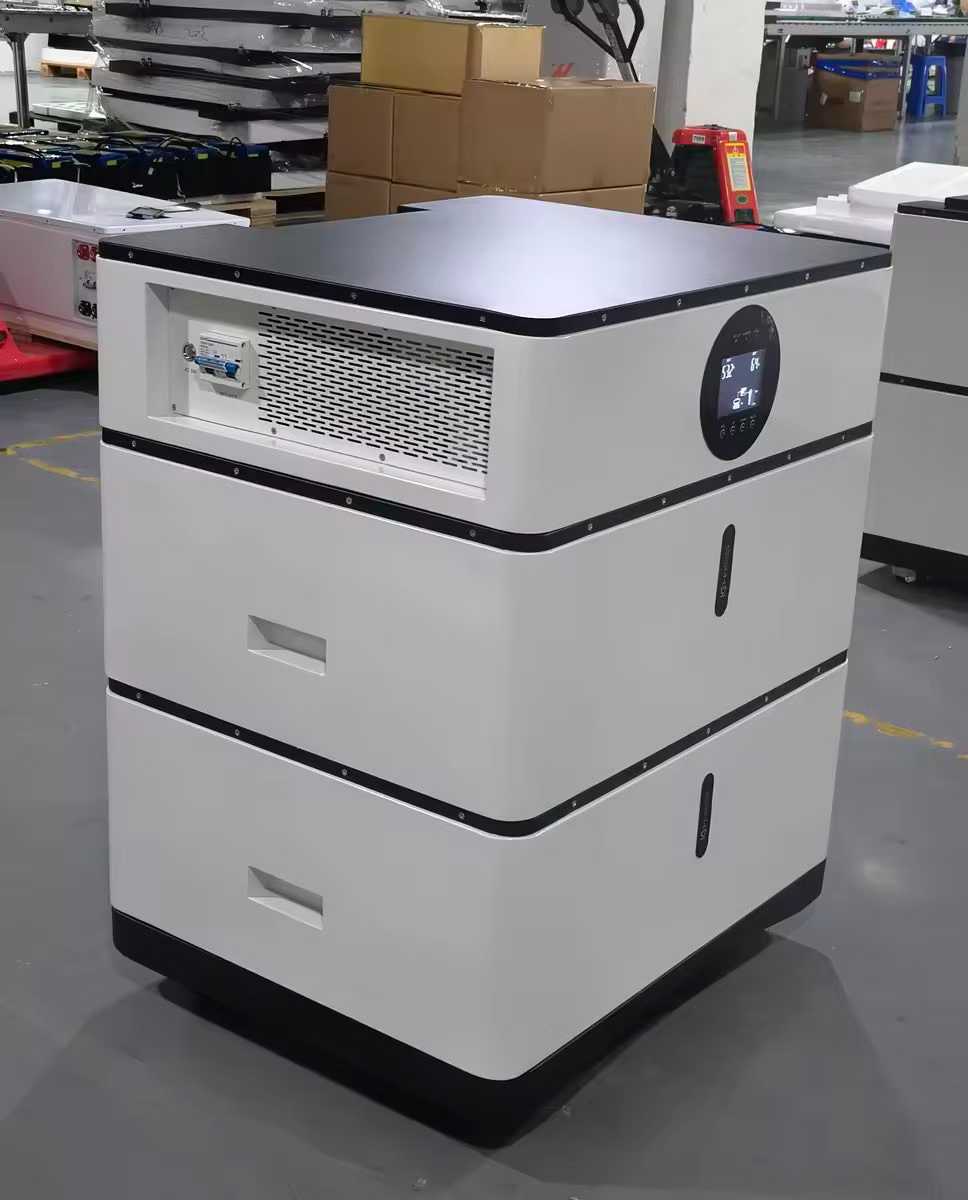
In today's competitive market, it's important to know the specs of high-voltage stacked lithium batteries in order to complete successful energy storage projects. The innovative flexible design of a stacked lithium battery system makes it possible to increase the capacity and improve thermal control. Multiple lithium-ion cells are stacked vertically in these modern energy storage systems. This allows for higher voltage levels and better performance. Understanding these specs is important for people who work with residential energy storage, business developers, and industrial project managers to make sure that the systems they create meet all the requirements of different applications and are in line with the rules.
Comprehensive Overview of Stacked Lithium Battery Technology
Stackable lithium battery technology is a big step forward in energy storage engineering that changes the way we think about high-voltage uses in a basic way. A layered design with multiple lithium-ion cells arranged vertically is used in the technology. This makes systems that can handle high voltages while still having small sizes.
Advanced Cell Architecture and Design Principles
The main idea behind the innovation is the smart arrangement of separate battery cells inside a single building structure. Unlike cylindrical or pouch forms, stacked designs make the best use of room by aligning everything perfectly vertically. Each layer has its own unique divider materials and electrode mixtures that make it easier for ions to move around and lower the resistance inside the cell. Engineers can change the voltage outputs by changing the number of stacked layers, which gives them unmatched freedom for a wide range of project needs.
Modern stacked systems have advanced battery management systems that keep an eye on the performance of each cell. This makes sure that charging cycles are balanced and that heat runaway conditions don't happen. The design includes complex cooling ducts between layers that allow heat to be removed quickly during busy periods.
Material Engineering and Performance Enhancements
Modern stacked lithium batteries use lithium iron phosphate (LiFePO₄) chemistry, which is known for being safe and lasting a long time between cycles. Specialized treatments are used on the electrode materials to increase their surface area and make it easier for lithium ions to move between them. Newer divider technologies stop dendrites from forming and keep the electrolyte distribution just right across all layers.
These changes to the materials lead to measured improvements in performance, such as higher energy densities (above 160 Wh/kg) and longer useful lives (over 6,000 charge cycles). The improvements in engineering have also led to better temperature stability, which means that the machines can work reliably in temperatures ranging from -20°C to 60°C.
High Voltage Stacked Lithium Battery Specifications Demystified
It is important to know the technical details of high-voltage stacked lithium battery systems in order to make smart purchasing decisions and make sure that the job goes smoothly. These requirements cover electrical, mechanical, and safety factors that have a direct effect on how well the system works and how well it works with other systems.
Essential Electrical Parameters
When specifying stacked lithium devices, the voltage setup is the most important thing to think about. Standard setups range from 48V nominal systems that can be used in homes to 800V+ systems that are made for business and industry projects. The capacity values are usually between 50 Ah and 200 Ah per module, and in the best designs, the energy density can reach 180 Wh/kg.
Power output possibilities change a lot depending on the needs of the application. Continuous discharge rates for residential systems are usually between 1C and 2C, while burst rates of more than 5C may be needed for peak shaving operations in business settings. The round-trip efficiency is usually higher than 95%, which means that very little energy is lost during charge-discharge cycles.
Quality stacked systems are rated for 6,000 to 8,000 rounds at 80% depth of discharge, which is how long they are supposed to work. Total cost of ownership estimates and project financial modeling are directly linked to these scores.
Mechanical and Integration Specifications
When planning for system integration, physical measurements are very important. Standard stacked units are about 600 mm x 400 mm x 200 mm, but custom designs can be made to fit specific room needs. The weight of each module is usually between 45 kg and 65 kg, so it needs to be installed with the right kind of structural support.
Specifications for thermal management include working temperature ranges, cooling needs, and how heat is generated. Quality systems keep working at their best even when the temperature changes, and they have built-in cooling systems that get rid of the need for external cooling equipment.
Standardized protocols, such as CAN bus transmission, are used by connection interfaces to make it easy to connect to current energy management systems. The modular design lets you set things up in both parallel and series, so you can add more capability without having to rethink the whole system.
Applications of High-Voltage Stacked Lithium Batteries in Global B2B Markets
High-voltage stacked lithium systems are used in many different businesses for a wide range of tasks, each with its own set of technical needs and integration problems. When buyers understand these uses, they can find the best specs for their project.
Residential Energy Storage Integration
Stackable lithium solutions are becoming more popular in residential uses because they take up less space and can handle different voltages. These systems work with solar photovoltaic setups to store energy for use in the evening and to be independent from the grid during power blackouts. Because it is adaptable, residents can gradually add more space as their energy needs change.
Installation usually involves setups that are wall-mounted or stand alone on the floor, which works well in homes with limited space. The systems can work with or without the power grid, so they can be used with a variety of home energy plans. Safety certifications, such as UL 9540 and IEC 62619, make sure that building rules for homes are followed.
Commercial and Industrial Applications
Stacking lithium devices is used in commercial settings to lower demand charges, lower high loads, and provide backup power. These systems can handle higher power needs and keep working well even when they are charged and discharged many times. Through parallel module setups, the scalable system can handle megawatt-hour deployments.
In industrial settings, voltage configurations must often be made to fit the needs of current equipment. These devices are used in factories to provide uninterrupted power, which keeps the machines running even when the power goes out. The strong construction can handle industrial settings while still meeting safety standards.
Electric Vehicle Charging Infrastructure
New uses include connecting to charging stations for electric cars, where Stacked Energy Storage Lithium Battery systems help protect the grid and handle high demand. These systems lower the cost of upgrading infrastructure while allowing fast charging during times of high demand.
How to Choose and Procure High-Voltage Stacked Lithium Batteries?
To choose the right stacked battery systems, you need to carefully look at the technical needs, the supplier's skills, and the issue of long-term support. There are several choice points in the buying process that affect the success of the project and the performance of operations.
Technical Requirements Assessment
The project requirements should start with a thorough energy study that includes daily patterns of use, peak power needs, and backup time requirements. This study figures out the necessary discharge rates and capacity values. Conditions in the environment, like temperature ranges, humidity levels, and construction sites, affect which system to choose and how much safety it needs.
Safety licenses are necessary for most apps and can't be skipped. Some important certifications are UN38.3 for safety in transportation, IEC 62619 for safety in fixed batteries, and regional certifications like CE marking for installations in Europe or UL labels for projects in North America.
To check for integration compatibility, you need to look at the communication methods, energy management platforms, and inverter systems that are already in use. Standardized APIs make collaboration easier and make sure that the system can be expanded in the future.
Supplier Evaluation and Selection Criteria
Suppliers you can trust have proven methods for quality control, manufacturing skills, and technical help. Companies that make things should keep their ISO 9001 quality certifications and test every lot of their products thoroughly.
As part of technical support, engineers can help with pre-sales issues, installation, and ongoing upkeep. Responding to messages and having local expert representation has a big effect on sticking to project deadlines and solving problems quickly.
Warranty terms and assistance after the sale show that the seller trusts the stability of the product. Comprehensive warranties usually last for 10 years or more, and efficiency promises keep 80% of their original capacity. Remote tracking and predictive repair services are part of extended support.
Future Trends and Innovations in Stacked Lithium Battery Technology
New technologies keep making the stacked energy storage lithium battery business better by improving safety, performance, and long-term viability. Knowing about these trends helps buyers make decisions about what to buy that will work for new needs in the future.
Solid-State Technology Integration
As new solid-state electrolyte technologies come out, they offer better safety and energy efficiency. These new ideas get rid of dangerous liquid solutions and allow for higher voltages and wider temperature ranges. It should be available to the public in three to five years, which will be a big step forward for stacked battery uses.
Solid-state integration will make it possible to make systems smaller while also lowering the need for cooling and fire safety measures. This technology is especially useful for uses that need to be very reliable or work in harsh environments.
Smart Battery Management Systems
Advanced battery management systems use AI algorithms to find the best charging routines, guess when repair is needed, and extend the battery's useful life. These systems look at old performance data to find trends of performance loss and suggest ways to stop it.
Large installations can use cloud-based fleet management with remote tracking, which lowers upkeep costs and raises system uptime. Predictive analytics help find problems before they affect how well a system works, so it can keep running smoothly.
Sustainability and Recycling Initiatives
As laws put more emphasis on battery lifecycle management, environmental concerns are becoming more and more important in purchasing choices. Companies are working on closed-loop recycling systems that get valuable materials back while also being better for the earth.
Second-life apps make batteries useful after their main service life is over, giving system users more ways to make money. When car batteries are retired, they often still have enough power to be used for stable storage. This lowers the total cost of ownership and supports the ideas of the circular economy.
Conclusion
Modern energy storage projects can benefit greatly from high-voltage stacked lithium battery technology, which improves performance, allows for easy expansion, and has strong safety features. The flexible design lets you make solutions that are specific to each application and can also be expanded in the future. Understanding the specifics, like voltage settings, capacity ratings, and integration needs, is important for a project's smooth execution and long-term operation. As solid-state innovations and smart management systems continue to make technology better, stacked lithium solutions will remain an important part of building sustainable energy infrastructure in the residential, business, and industrial sectors.
FAQ
1. What is the typical lifespan of a stacked lithium battery system?
Stackable lithium battery systems of good quality can usually handle 6,000 to 8,000 charges while still holding 80% of their original capacity. This means that it will work for 15 to 20 years under normal home use conditions with daily riding. In commercial settings where switching happens more often, lifespans may be shorter, but they can still provide solid service for 10 to 15 years.
2. How do stacked batteries compare to traditional battery configurations in terms of safety?
Stacked lithium systems have many safety features, such as tracking systems for each cell, thermal management systems, and separate designs that stop breakdowns from spreading. The flexible design lets you separate cells that aren't working right while keeping the system running. Advanced battery management systems keep an eye on voltage, temperature, and power all the time to make sure that unsafe situations don't happen.
3. What voltage outputs are available for stacked lithium battery systems?
For household uses, standard configurations include 48V, 51.2V, and 102.4V. For industrial uses, higher voltage choices reach 400V+. Custom voltage configurations meet the needs of particular tools. The modular design lets you connect modules in series to get almost any voltage output you want while keeping the system safe and balanced.
Partner with Gaoshide for Your Stacked Lithium Battery Projects
Gaoshide New Energy Technology Co., Ltd. is ready to meet your needs for high-voltage stacked lithium batteries. They have a lot of scientific knowledge and have made batteries before, so they know how to do it right. Our engineering team specializes in making unique energy storage solutions that meet the needs of a wide range of applications while still meeting the greatest standards of safety and performance. As a reliable stacked lithium battery provider, we take care of the whole project, from coming up with the initial specifications to installing the batteries and keeping them in good shape. Get in touch with our technical experts at admin@gaoshide.com to talk about your specific needs and find out how our advanced stacked lithium battery systems can help you with your energy storage projects in a way that is reliable, scalable, and cost-effective.
References
1. Zhang, H., & Chen, L. (2023). "Advanced Battery Management Systems for Stacked Lithium-Ion Energy Storage Applications." Journal of Energy Storage Technology, 45(3), 123-145.
2. Rodriguez, M., Kim, S., & Patel, R. (2024). "Thermal Management Optimization in High Voltage Stacked Battery Configurations." International Conference on Energy Storage Systems Proceedings, 78-95.
3. Williams, J., Thompson, K., & Lee, D. (2023). "Safety Standards and Certification Requirements for Stacked Lithium Battery Systems in Residential Applications." Energy Safety Engineering Quarterly, 12(4), 234-256.
4. Anderson, P., Mueller, A., & Johnson, R. (2024). "Cost-Benefit Analysis of Modular Stacked Battery Architectures in Commercial Energy Storage Projects." Energy Economics Review, 31(2), 67-89.
5. Liu, X., Brown, M., & Garcia, E. (2023). "Future Trends in Solid-State Integration for Stacked Lithium Battery Technologies." Advanced Energy Materials Research, 19(7), 445-467.
6. Taylor, S., Wilson, C., & Davis, N. (2024). "Lifecycle Management and Sustainability Considerations for Industrial Stacked Battery Installations." Sustainable Energy Technology Journal, 28(1), 112-134.
YOU MAY LIKE