
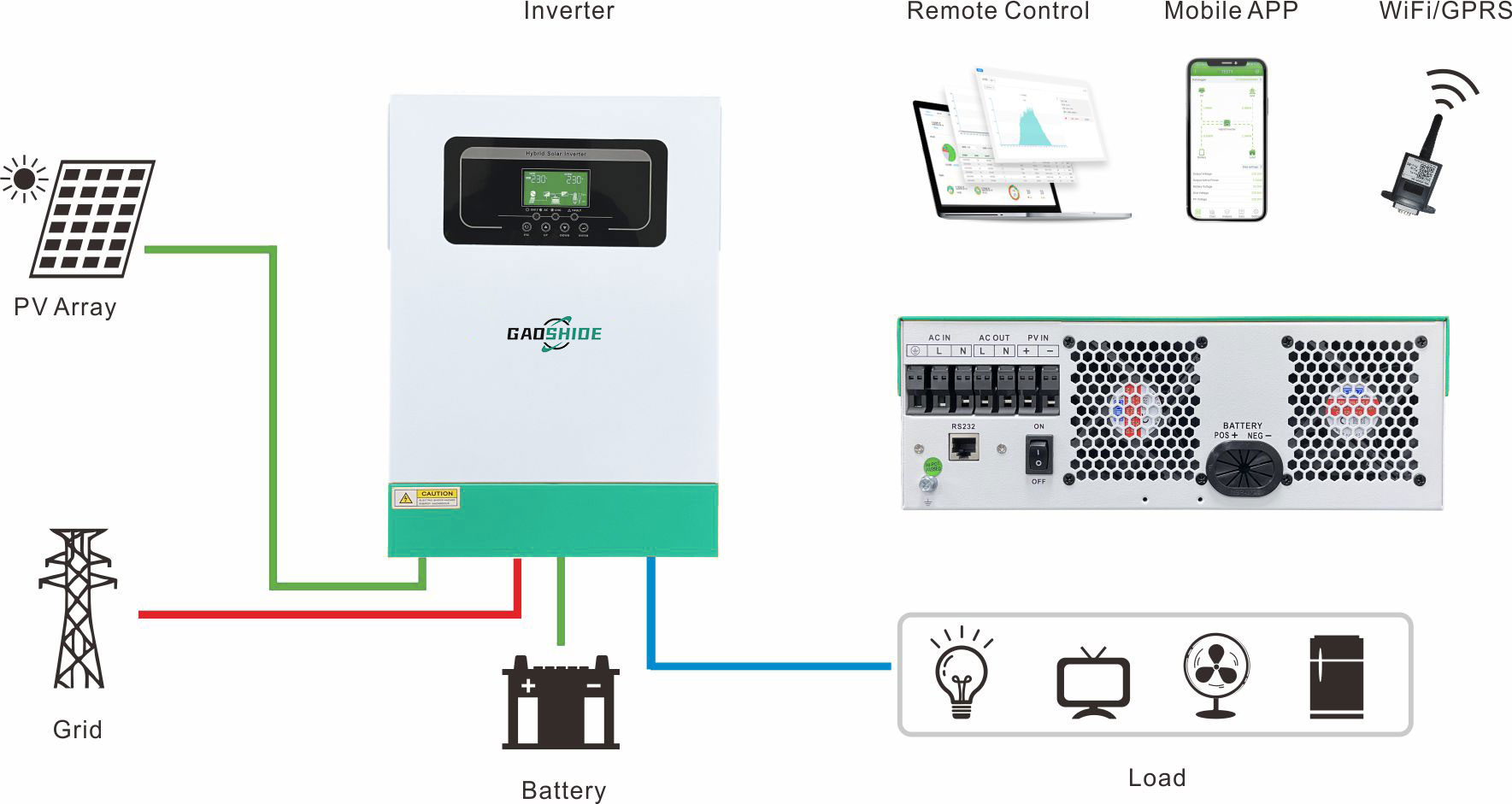
When selecting a high-efficiency PV inverter for your solar power system, you need to focus on conversion efficiency rates exceeding 95%, advanced Maximum Power Point Tracking (MPPT) technology, robust thermal management, comprehensive monitoring capabilities, and reliable grid integration features. The right inverter choice directly impacts your system's energy yield, operational costs, and overall return on investment, making these features essential for procurement managers, engineers, and system integrators seeking optimal solar energy solutions.
Introduction
As the key link between solar panels and power systems, PV inverters change the direct current from photovoltaic modules into alternating current that can be used by loads and connected to the grid. This process of change is one of the most important parts of any solar power system because it directly affects how well the system collects energy and how well it works in the long run.
It's getting harder and harder for business-to-business buyers like procurement managers, technical engineers, distributors, and original equipment makers to choose inverters that work reliably and efficiently in a wide range of situations. The choice goes beyond the original cost and includes things like maximizing energy yield, the need for upkeep, grid compliance, and figuring out the return on investment.
Inverters for modern solar systems need to be able to handle complicated grid needs, changing weather, and high-level tracking needs. It's important to know about the features of high-efficiency inverters whether you're in charge of residential energy storage integration, commercial installations, or industrial solar projects. This way, you can make smart buying decisions that meet the needs of the project right away and also meet long-term operational goals.
Understanding High-Efficiency PV Inverters
High-efficiency inverters are high-tech power converters that are designed to get the most energy out of solar systems while reducing operating losses. These systems work better because they use advanced semiconductor technology, well-thought-out circuit design, and smart power management programs that can adjust to different weather conditions.
Operational Principles and Core Functions
Modern inverters do a lot more important things than just changing voltage from DC to AC. They keep track of the highest power points all the time, keep an eye on the grid, let you exit safely, and gather performance data for improving the system. Advanced MPPT formulas make sure that solar cells always work at the best voltage and current levels, even when the sun isn't shining or the temperature changes.
At the moment, the best inverters have conversion rates of more than 99%, which means that very little energy is lost during the conversion process. This amazing efficiency comes from cutting-edge switching technologies, high-quality transformers, and complex control systems that keep heat and power loss to a minimum.
Efficiency Determinants and Performance Factors
Several technical factors affect how well the transformer works and how well the whole system works. The quality of the semiconductor affects the switching losses and thermal properties, while the layout of the circuit decides how well it converts power under different load situations. Thermal control systems make sure that the system works the same way at all temperatures, so it doesn't lose efficiency when it's being used the most.
Maximum Power Point Tracking technology is another important factor that determines performance. Advanced MPPT controllers can handle multiple input channels separately, which lets them get the most power out of panel arrays that are angled differently or setups that are partially shaded.
Inverter Types and Applications
String inverters allow panel arrays linked in series to be converted centrally. This makes them a cost-effective way to install standard systems that don't have a lot of shading problems. These methods work great in business settings where the panels are always facing the same direction and conditions.
Microinverters convert each panel individually, which makes it possible to get the most energy out of complicated setups with different panel types, orientations, or shading patterns. Microinverters are usually more expensive per watt, but they offer better tracking of performance and system robustness.
Large business and utility sites are taken care of by central PV inverters, which change the power from multiple string inputs using high-capacity conversion systems. For megawatt-class installations, these machines offer economies of scale and allow for centralized tracking and servicing.
Top 5 Features to Evaluate in High-Efficiency PV Inverters
To choose the best inverters, you need to carefully look at their key performance traits that have a direct effect on how well the system works, how reliable it is, and how much it costs to run. Procurement professionals can make choices based on facts that are in line with project needs and performance standards when they understand these important features.
Superior Conversion Efficiency (95%-99%)
The conversion rate of high-efficiency inverters is between 95% and 99%, which shows how much DC power is successfully turned into useful AC power. This difference, which seems like a small percentage, adds up to big gains in energy output over the life of the system. A 99% efficient inverter loses half as much energy as a 98% efficient unit. This means that less heat is made and parts last longer.
Peak efficiency scores show the best performance when everything is perfect, while weighted efficiency data show how well the system works in real life with different loads. European efficiency standards look at how well things work at different amounts of power. This makes it easier to make decisions about what to buy that are more accurate.
New semiconductor technologies, like silicon carbide and gallium nitride, allow for faster switching frequencies with lower losses, which helps to make the efficiency scores better. These materials can handle higher temperatures and pressures while still keeping the performance traits that are needed for long-term dependability.
Advanced MPPT Technology with Multiple Channels
Maximum Power Point Tracking technology makes sure that solar panels always produce the most power possible, no matter what the weather is like. Advanced MPPT controls have many separate channels, which let you place panels of different shapes or angles while still getting the best performance from all of the inputs.
When there is some shade, multi-MPPT systems work better than single-channel designs because they don't lose power when individual screens don't get as much light. Separate tracking algorithms improve each input channel separately, making it possible to get the most energy from installations or roofs with complicated shapes or that are exposed to different weather conditions.
Modern MPPT controls change their tracking methods hundreds of times every second. This lets them quickly adapt to new situations and keep getting the most power out of them. This response is especially helpful when the weather changes or when the installation is close to buildings that cast moving shadows.
Robust and Scalable Design Architecture
Modular inverter designs allow for system growth and upkeep needs while also allowing for a variety of installation situations. Scalable designs let you add more capacity without having to replace old equipment. This protects your initial investments and keeps up with rising energy needs.
Strong building standards make sure that solar installations work reliably in a wide range of temperatures, humidity levels, and other variables that are common in solar installations. Advanced temperature management systems, which include smart cooling strategies, keep operations from losing efficiency when they are at full capacity.
Weatherproof cases keep sensitive gadgets safe and keep them at the right temperature with passive and active cooling systems. Good building materials can handle the rust, UV light, and mechanical stress that come with installing things outside.
Smart IoT-Based Monitoring and Diagnostics
Smart tracking systems give you information about how things are working right now, so you can do preventative maintenance and make the system work better. An IoT connection lets you watch things from afar, so you don't have to do as many inspections on-site while still keeping a close eye on the whole system.
Advanced diagnostic tools find possible problems before they affect the system's performance. This lets you use preventative maintenance plans to make technology last longer and keep it running at its best. Automated warning systems let workers know when something is wrong with the performance or when repair is needed.
Data analytics platforms use performance data to find ways to improve things, guess when repair will be needed, and compare system performance to what was planned when the system was designed. These findings help people make smart choices about how to improve systems and run operations.
Compliance Standards and Warranty Support
Full approval compliance makes sure that safety standards are followed and that grids work with each other across foreign markets. IEC standards, UL labels, and regional grid rules that set interconnection requirements and safety measures are some of the most important approvals.
Extended guarantee programs show that the maker trusts the stability of the product and protects the money they spent on it. Quality makers offer a wide range of support services, such as expert help, access to new parts, and performance warranties that last the entire life of the system.
Professional technical support services make sure that the right installation instructions, troubleshooting help, and upkeep suggestions are made to keep the system running at its best and protect the guarantee. For business and industrial installations that need to have as little downtime as possible, responsive customer service skills are important.
Comparing PV Inverters to Choose the Best Fit for Your Business
To choose the right PV inverter, you need to carefully look at all the different technologies, names, and configurations that are out there and make sure they meet the needs of your project and your business's goals. When you know the pros and cons of the different types of PV inverters, you can make smart choices that combine performance, cost, and upkeep needs.
String Inverters vs. Microinverters Analysis
String inverters center the conversion for many panels that are linked in series. They are a cost-effective option for sites where all the panels are facing the same way and there isn't much shading. With their centralized entry points, these systems make upkeep easier and work very well for simple setups.
String inverters are still pretty easy to install because they only need a few electrical connections and tracking points compared to distributed designs. However, string configurations may not work as well when individual screens have different coloring or orientation issues.
Microinverters improve the performance of each panel by converting it at the panel level. This makes the most of energy harvesting in complicated setups with changing conditions. Initial costs are usually higher than those of string inverter systems, but microinverters offer better tracking of performance and system resilience through distributed design.
Leading Manufacturer Evaluation
Established makers have track records that have been proven through extensive setups, thorough testing, and reliability in a wide range of working circumstances. Big brands put a lot of money into research and development, which helps them come up with new technologies that make things work better and last longer.
New makers often offer low prices and use the newest technologies, but they may not have a lot of experience in the field or a well-established support network that is well-established. Checking the stability, financial power, and market position of the maker can help you figure out how much long-term support is available.
Local help, lower shipping costs, and knowledge of regional grid needs may be benefits of regional manufacturers. On the other hand, global manufacturers offer more technical tools and standard goods that can be used for international projects.
Cost-Performance Analysis and ROI Considerations
The initial investment costs are only a small part of the total costs of ownership. Differences in efficiency, the need for upkeep, and dependability all have a big effect on long-term value propositions. Higher-efficiency inverters usually justify their higher prices by producing more energy over the life of the system.
Long-term income forecasts are affected by performance guarantees and degradation rates. High-quality inverters keep their efficiency levels over a 20-year working period. To find the net current value, you have to think about things like higher energy yields, higher upkeep costs, and higher chances of replacement.
Some kinds of inverters or levels of efficiency may be favored by financing terms and tax breaks, which can change how much they actually cost and how much money they make. Knowing about local reward programs can help you choose the best generator to get the most money out of it.
Practical Considerations for Procurement and Installation
To successfully purchase an inverter, you need to think about more than just the technical specs. You also need to think about things like size, installation requirements, and operating issues that will keep the system running at its best for the duration of the project. Planning ahead can keep you from having to make expensive changes and still get the most energy and efficiency.
System Sizing and Grid Integration Requirements
To get the right size inverter, you need to carefully look at how the panels are set up, how much energy you plan to produce, and how you want to connect to the grid. Undersized transformers make it harder to collect energy during times of high production, while large units raise costs without boosting benefits.
Grid integration standards are very different from one area to the next, and inverters need to be approved for each area's electrical rules and utility needs. Knowing the local grid codes, voltage ranges, and safety needs is important for making sure that everyone follows the rules and the approval process for connecting goes smoothly.
A load study helps find the right inverter capacities for sites that use a lot of energy on-site so they can get the best rates of self-consumption while still being able to send energy to the grid. Adding battery storage means thinking about charging methods and energy management strategies in new ways.
Installation Best Practices and Safety Protocols
Professional construction practices make sure that systems work at their best and meet safety standards for their entire lives. When you place, wire, and ground something correctly, you can protect your guarantee and avoid performance problems and safety risks.
Ensuring there is enough airflow and space between things stops temperature problems that lower performance and shorten the life of parts. Where installations are put should take into account how easy it is to do upkeep and how to protect the equipment from damage from the surroundings and other machines.
Electrical safety rules, like the right way to unplug, protect against arc faults, and allow for quick shutdown, making sure that installers and first responders are safe. Knowing the local electricity codes and review rules makes the approval process go more quickly.
Maintenance and Operational Optimization
Visual inspections, connection checks, and performance tracking are all part of routine maintenance plans that help find problems before they affect how well the system works. Costs for preventative repair usually only make up a small part of the value of the energy produced each year, but they protect big investments in equipment.
Firmware changes and regular software repair keep things running at their best while adding new features and making them safer. Manufacturers usually release updates that make things work better, let you watch them better, and fix any problems that might come up in the field.
Performance tracking tools let you compare actual performance to what the designers had planned and find ways to make things better. Regular performance analysis helps keep things running at their best and lets you know early on when problems are starting to arise that need your attention.
Why Partner With Trusted PV Inverter Suppliers and Brands?
Strategic connections with suppliers give you access to new PV inverter technologies, dependable PV inverter support services, and creative PV inverter solutions that make projects more successful while lowering business risks. Established partnerships offer benefits that go beyond buying the PV inverter tools at first and last for the whole life of the system.
Technology Access and Innovation Benefits
Leading providers put a lot of money into research and development, which leads to new technologies that make things more efficient, reliable, and useful. Partner ties give you early access to new goods and make sure they work with your current systems and your plans for future growth.
Application engineering support and technical knowledge help make system designs work better while avoiding common installation problems that can hurt performance or dependability. Suppliers with a lot of experience know how to meet the needs of a wide range of applications and can suggest designs that will help projects reach their goals.
Product roadmaps and sneak peeks at upcoming technologies help with long-term planning and make sure that choices about what to buy take into account new technologies that could change plans for system replacement or growth. Knowing where a company is going can help you make investments that are in line with how technology is changing.
Supply Chain Reliability and Support Services
Established supply lines make sure that products are always available and that shipping delays don't cause problems with project plans or costs. Reliable providers keep the right amount of supplies and production capacity to handle changes in demand and keep delivery dates consistent.
Full technical support services, such as installation help, troubleshooting, and guarantee management, make sure that systems work properly and protect purchase investments. Responsive support features cut down on downtime while keeping speed at its best.
Installers and maintenance workers can learn the right way to do things and keep up with new technologies and best practices through training programs and certification classes. Educational tools raise the quality of operation while lowering the need for assistance.
Market Trends and Future Compatibility
When artificial intelligence is integrated, it makes it possible for predictive maintenance, automated performance optimization, and better grid services that raise the value of the system while lowering the number of tasks that need to be done. AI-powered systems instantly adjust to new situations based on how they have been used in the past.
Improvements to cybersecurity keep important systems safe and make sure that tracking and control functions can communicate safely. As grid integration grows, security features are needed to protect both individual sites and the electricity grid as a whole.
Energy storage compatibility makes sure that inverters can work with battery systems and handle the complicated energy flows that happen between solar panels, storage systems, and the grid. Integrated energy control features help businesses make the most money while also offering backup power.
Conclusion
When looking for high-efficiency inverters, you need to carefully consider their conversion efficiency scores, MPPT technology skills, build quality, tracking features, and compliance certifications. These technical factors have a direct effect on the amount of energy produced, how reliably the system works, and the long-term return on investment for solar setups in homes, businesses, and factories.
To get the best total ownership value, good procurement strategies combine starting costs with performance capabilities, warranty coverage, and source dependability. Knowing the pros and cons of each inverter technology helps you make choices that are in line with your project's needs and your company's operational goals.
FAQ
1. What factors most significantly impact inverter efficiency ratings?
The main things that affect how well an inverter works are the quality of the semiconductors, the layout of the circuit, and the heat control systems. Modern materials, such as silicon carbide, allow for higher switching rates with lower losses. Also, advanced thermal management keeps efficiency from dropping when working conditions change.
2. How can I verify inverter compliance with US grid standards?
For connecting to the US grid, inverters need to be UL 1741 certified and also need to be IEEE 1547 compliant for anti-islanding and grid support features. Also, make sure you know what the utility companies in your area need. Some of them have lists of approved tools that go beyond normal certifications.
3. What distinguishes string inverters from microinverters in commercial applications?
String inverters are great for even setups that don't have to worry about shading because they offer centralized conversion at lower per-watt costs and easier upkeep. Even though they cost more at first, microinverters are better for complicated setups with changing angles or shading patterns because they offer panel-level optimization and tracking.
Partner with Gaoshide for High-Performance Solar Solutions
Gaoshide New Energy Technology offers complete solar power options that include cutting-edge inverter technologies made to work efficiently and reliably in a wide range of situations. Our technical knowledge includes energy storage systems for homes, business installs, and industrial solar projects. This makes sure that the right equipment is used with the right system. Email our engineering team at admin@gaoside.com to talk about your particular needs and learn more about our full line of high-efficiency solar processors and energy storage options. As a reliable maker of PV inverters, we offer customizable goods, expert advice, and quick customer service that make the buying process easier while giving you the best performance and value for your solar energy investments.
References
1. International Energy Agency. "Solar PV Technology Roadmap: Advanced Inverter Technologies and Grid Integration Standards." Energy Technology Perspectives, 2023.
2. IEEE Standards Association. "IEEE 1547-2018 Standard for Interconnection and Interoperability of Distributed Energy Resources." Institute of Electrical and Electronics Engineers, 2018.
3. National Renewable Energy Laboratory. "Best Practices for Operation and Maintenance of Photovoltaic and Energy Storage Systems." Technical Report NREL/TP-7A40-78245, 2023.
4. Solar Power International. "Commercial and Industrial Solar Market Analysis: Inverter Technologies and Performance Optimization." Renewable Energy Research Institute, 2024.
5. Underwriters Laboratories. "UL 1741 Standard for Inverters, Converters, Controllers and Interconnection System Equipment." Safety Standards for Grid-Connected Equipment, 2022.
6. International Electrotechnical Commission. "IEC 62109 Safety Requirements for Power Electronic Converter Equipment." Grid-Connected Photovoltaic Inverter Standards, 2023.
YOU MAY LIKE