

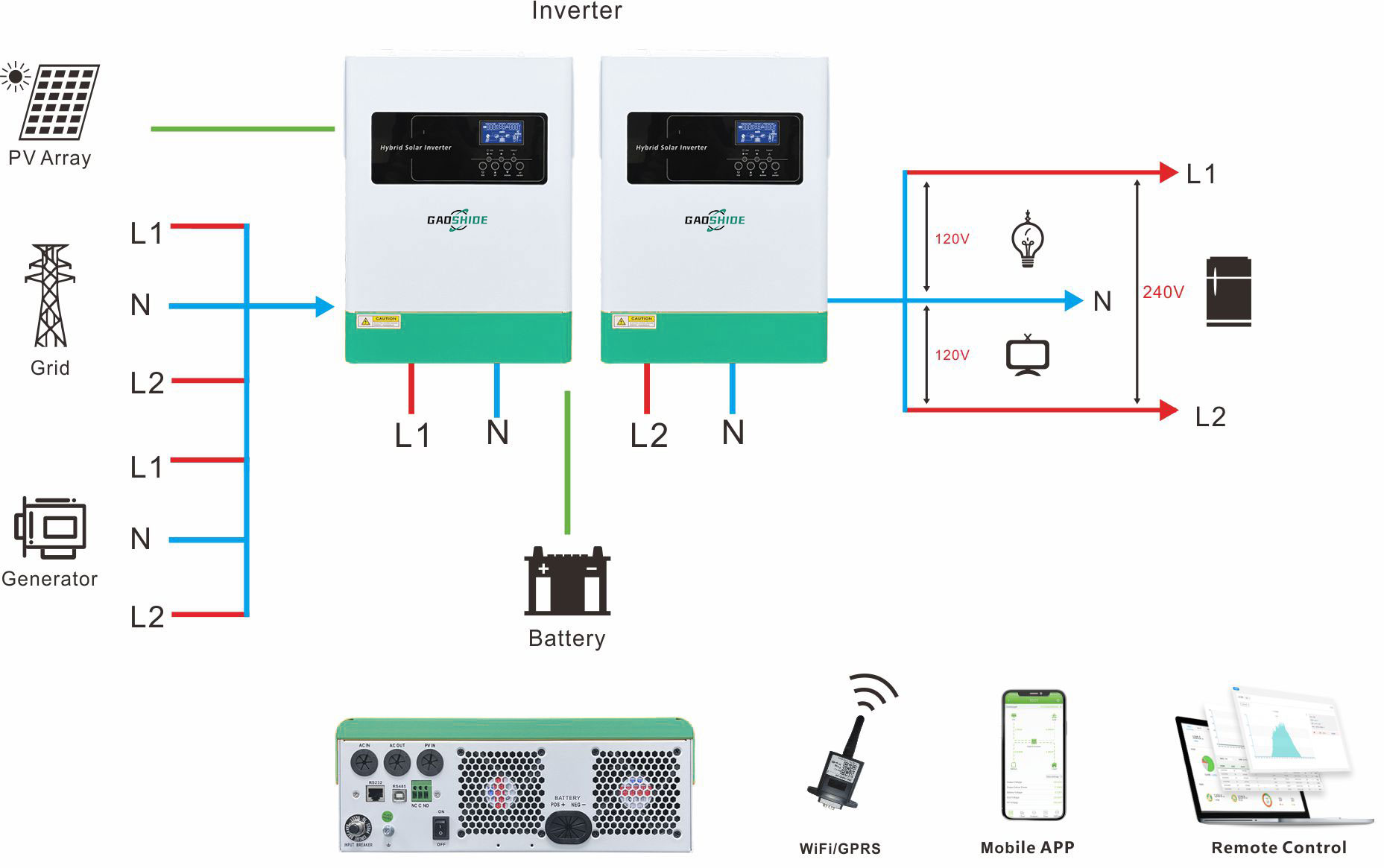
Proper solar inverter installation improves renewable energy system performance and reliability. A solar inverter converts solar power into alternating energy for your home or business in photovoltaic systems. This entire guide covers inverter installation planning to optimization. Effective installation influences string inverters, hybrid systems, and advanced energy storage technologies' efficiency, safety, and lifespan. Learning these procedures helps procurement managers and technical teams choose and integrate electrical infrastructure and battery storage technologies.
Understanding Solar Inverters and Their Role in Solar Power Systems
Fundamental Working Principles of Power Conversion
Solar inverters convert solar panel-generated DC power into AC electricity suitable for home appliances and grid infrastructure. To fulfill electrical regulations, advanced electronic circuits manage voltage, frequency, and waveform quality during conversion. Advanced algorithms in modern inverters maximize power production and defend against electrical failures and grid disruptions.
Quality inverters have conversion efficiency of 95% to 98.2%, with higher efficiency models performing better over time. Power electronics in the inverter monitor DC voltage and current and employ switching circuits to provide grid-compliant AC output. Harmonic filtering, power factor correction, and voltage management provide compatibility with sensitive electronics.
Types of Solar Inverters and System Architectures
The most typical home and light business setup is string inverters, which link several solar panels in series to a central unit. These systems are cost-effective, easy to maintain, and dependable for locations with little shadowing. Microinverters directly connect to panels, enhancing energy gathering in complicated roof layouts but needing greater initial investment and monitoring equipment.
Power optimizers combine panel-level DC optimization with centralized AC conversion. The SUN 12/14/16K-SG series hybrid inverters combine grid-tie and battery storage for energy independence and backup power during outages. These flexible solutions enable residential and light business applications while optimizing self-consumption and ensuring power supply via battery management.
Energy Efficiency and Advanced Monitoring Capabilities
Inverter systems with sophisticated monitoring platforms display system performance, energy production, and maintenance needs in real time. Wi-Fi, RS485, and mobile applications provide remote diagnostics and performance enhancement, reducing costs and boosting uptime. Advanced inverters adjust for shading, soiling, and panel degradation using several MPPT channels to enhance power extraction from panel strings.
Grid-tie returns excess energy to the utility grid, earning net metering credits that cut power rates. Off-grid capabilities supply power during utility outages, while hybrid modes switch between grid-connected and islanded operation based on system conditions and user preferences.
Preparation Before Installation: System Assessment and Planning
System Requirements Assessment and Inverter Sizing
Inverters must be sized based on panel capacity, energy output, and load. The inverter's DC input rating should equal the solar panels' overall wattage, taking into consideration temperature coefficients, irradiance, and system expansion. Exceeding peak electrical demands with AC output capacity prevents system constraints.
Temperature, humidity, altitude, and corrosion affect inverter choice. IP65 enclosures are dust- and moisture-resistant for indoor and outdoor use. Proper ventilation and thermal management increase equipment performance and lifetime, particularly in high temperatures.
Supplier Evaluation and Quality Assurance
Finding reliable solar inverter providers is easier when you look at their technical specs, guarantee terms, certification compliance, and customer service after the sale. International approvals like IEC 62109, UL 1741, and IEEE 1547 make sure that the product is safe and works with the power grid. System trustworthiness is higher when the maker is well-known, there is a lot of specialized information, and customer service is quick.
Strong inverters protect against too much or too little power, too high or too low a temperature, and ground problems. Monitoring platforms and energy management systems can talk to each other through communication methods, and energy storage systems must meet battery connection standards in order to work together. To keep things from breaking down or getting worse too quickly, warranties should cover things like replacing broken equipment and guaranteeing its performance.
Integration Planning for Battery Storage Systems
To maximize energy flow and system efficiency, hybrid inverter systems must coordinate solar panels, battery storage, and electrical loads. Advanced integration supports multiple lithium-ion battery technologies and offers 12 kW to 16 kW capacity choices in the SUN 12/14/16K-SG hybrid inverter. RS485 and CAN connections provide advanced battery monitoring and control.
Daily energy use, backup power needs, and grid outage autonomy should be considered while sizing batteries. Integration maximizes self-consumption and minimizes grid reliance by allowing smooth transitions between solar charging, grid-tie operation, and backup power modes. Emergency generator connections protect important applications that need continuous power.
Step-by-Step Solar Inverter Installation Process
Safety Protocols and Pre-Installation Preparation
Electrical safety is paramount during inverter installation, necessitating PPE, lockout/tagout, and local electrical regulations. Covering or disconnecting solar panels during installation eliminates inadvertent exposure to live DC circuits. Ground fault circuit interrupters and arc fault prevention systems increase electrical safety.
Digital multimeters, wire strippers, crimping tools, torque wrenches, and mounting hardware are essential. Cable management systems arrange DC and AC wiring and separate circuit types. Equipment chassis, mounting structures, and electrical panels must be bonded to ground for electrical safety and system protection.
Mounting and Mechanical Installation
Maintenance accessibility, weather protection, ventilation, and closeness to electrical panels and battery storage systems are considered while installing inverters. Wall-mounted systems need strong support surfaces for equipment weight and thermal expansion. The SUN 12/14/16K-SG inverter's 516 x 415 x 180 mm size and 24 kg weight make installation easy.
Clearance requirements allow cable routing, maintenance access, and ventilation around inverter enclosures. Secure installation reduces vibration and heat stress that might damage durability. Conduit systems safeguard wire from environmental damage and maintain code compliance and professionalism.
Electrical Connections and System Integration
DC input connections must be checked for polarity, voltage ratings, and current-carrying capability to avoid equipment damage and optimize performance. Multiple MPPT inputs optimize panel strings independently for varied roof orientations and shading. Proper torque specs and connection methods prevent loose connections from arcing or losing power.
Through adequately sized conductors and protective mechanisms, AC output wire links the solar inverter to main electrical panels. Local rules mandate grid-tie installations to use production meters, disconnect switches, and quick shutdown devices. Battery connections use separate DC circuits with fusing and detach capabilities for safe operation and maintenance.
Initial System Commissioning and Testing
To verify installation and setup, power-up procedures follow manufacturer guidelines. VDC, frequency stability, protection system operation, and communication connection are tested first. Performance monitoring verifies power output and finds installation concerns.
Grid interconnection testing verifies synchronization, anti-islanding, and utility compliance. Testing battery integration ensures charging methods, communication protocols, and backup power. Test results and system parameters are useful for maintenance and troubleshooting.
Post-Installation Best Practices for Solar Inverter Management
Performance Monitoring and Maintenance Scheduling
Continuous system monitoring uses data analysis and trends to identify performance concerns and improvement possibilities. Web-based interfaces and mobile apps on modern inverter platforms reveal energy output, system efficiency, and component health. Regular performance audits compare actual output to weather- and system specifications-based expectations.
To keep the system running well, preventive maintenance includes visual inspections, connection tightening, cooling system cleaning, and software upgrades. Dust, grass growth, and animal interference may affect system operation and need frequent care. Professional maintenance maximizes system uptime and energy output while meeting warranty requirements.
Equipment Lifecycle Management and Upgrade Planning
To maximize long-term system value, inverter replacement planning incorporates performance deterioration, technological innovation, and energy needs. Inverters last 10–15 years, and performance monitoring helps determine whether to replace them before efficiency losses. New inverters provide increased functionality, efficiency, and interaction with contemporary energy storage systems.
Upgrades to monitoring, protection, and battery storage systems are simple with component compatibility checks. Technology roadmap planning anticipates future capabilities and growth while being backward compatible with infrastructure expenditures.
Advanced Protection and System Resilience
Lightning, grid disturbances, and switching operations may damage sensitive inverter electronics, but surge protection devices protect them. DC and AC surge reduction devices combined with system grounding and bonding provide comprehensive protection. Regular testing assures protective system operation and equipment safety.
Backup power becomes more necessary as electrical systems become essential to everyday operations and safety. Battery-storage hybrid inverters offer reliable backup power during grid interruptions and facilitate load priority. Generator integration provides backup for long outages and maintains battery charge for cycling.
Conclusion
Solar inverter installation involves careful design, execution, and administration to maximize system performance and lifespan. Inverter technology, system integration needs, and maintenance best practices influence project decisions throughout the lifespan. Premium equipment, competent installation, and proactive monitoring maximize energy output and investment returns. The SUN 12/14/16K-SG line of hybrid inverters supports different application needs with superior energy storage integration and backup power features. Partnering with experienced suppliers provides dependable goods, technical knowledge, and complete support for long-term success.
Frequently Asked Questions
1. How do I determine the correct inverter size for my solar system?
Inverter sizing depends on total panel wattage, expected energy production, and electrical load requirements. The inverter's DC input rating should accommodate 100-120% of total panel capacity to account for optimal conditions, while AC output capacity must match peak electrical demands. Consider future expansion possibilities and battery storage integration when selecting capacity ratings.
2. What maintenance practices help sustain inverter efficiency over time?
Regular maintenance includes visual inspections, connection tightening, cooling system cleaning, and performance monitoring through manufacturer-provided platforms. Annual professional inspections ensure compliance with warranty requirements while identifying potential issues before they impact system performance. Software updates and protection system testing maintain optimal functionality and safety.
3. Should I choose microinverters or string inverters for my installation?
String inverters offer cost-effectiveness and simplified maintenance for installations with minimal shading, while microinverters maximize energy harvest in complex configurations with partial shading issues. Hybrid string inverters provide battery storage integration capabilities, making them suitable for energy independence applications. Consider installation complexity, monitoring requirements, and long-term expansion plans when making this decision.
4. How does battery integration affect inverter selection and installation?
Battery integration requires hybrid inverters with appropriate communication protocols, charge controllers, and backup power capabilities. The SUN 12/14/16K-SG series supports various lithium-ion battery technologies through RS485/CAN communication ports, enabling sophisticated energy management and backup power functionality. Proper sizing considers daily consumption patterns and desired autonomy periods during outages.
Partner with Gaoshide for Your Solar Inverter Solutions
Ready to revolutionize renewable energy projects with industry-leading inverters? Gaoshide provides complete solar power solutions with professional advice and excellent service. SUN 12/14/16 K-SG hybrid inverters provide superior performance, dependability, and integration flexibility for residential and commercial applications. Contact our technical staff at admin@gaoside.com to discuss your needs and learn how our solar inverter manufacturer can improve project results.
References
1. National Renewable Energy Laboratory. "Solar Photovoltaic System Design Basics and Installation Guidelines." U.S. Department of Energy, 2023.
2. Institute of Electrical and Electronics Engineers. "IEEE Standard 1547: Interconnection and Interoperability of Distributed Energy Resources." IEEE Standards Association, 2022.
3. International Electrotechnical Commission. "IEC 62109: Safety Requirements for Power Converters in Photovoltaic Systems." IEC Publications, 2023.
4. Solar Power International. "Best Practices Guide for Solar Inverter Installation and Commissioning." Solar Energy Industries Association, 2022.
5. American Society of Testing and Materials. "ASTM Standards for Solar Energy Equipment Performance and Safety Testing." ASTM International, 2023.
6. Underwriters Laboratories. "UL 1741: Inverters, Converters, Controllers and Interconnection System Equipment for Use with Distributed Energy Resources." UL Standards, 2022.
YOU MAY LIKE