
Solar inverter manufacturer selection is critical for home energy storage system integrators, EPC contractors, and solar project developers. Manufacturers now provide hybrid inverters and grid-tie systems to maximize energy conversion efficiency and system dependability, changing the solar power conversion equipment industry. This sector's top producers meet the complicated demands of commercial and residential installations globally via continual innovation, rigorous quality control, and extensive support networks.
Understanding Solar Inverters and Their Market Importance
Solar modules create direct current (DC), which solar inverters convert into alternating current (AC) that powers homes and businesses. This key conversion mechanism influences solar system efficiency and ROI.
Types of Solar Power Conversion Systems
The current market has various inverter classifications for certain uses and project sizes. String inverters, which handle many solar panels in series, are popular for residential installations because of their affordability and durability. Utility-scale projects use central inverters to manage enormous arrays with efficiency rates of 98%. Panel-level optimization via microinverters eliminates partial shading and module mismatch, albeit at higher per-watt costs.
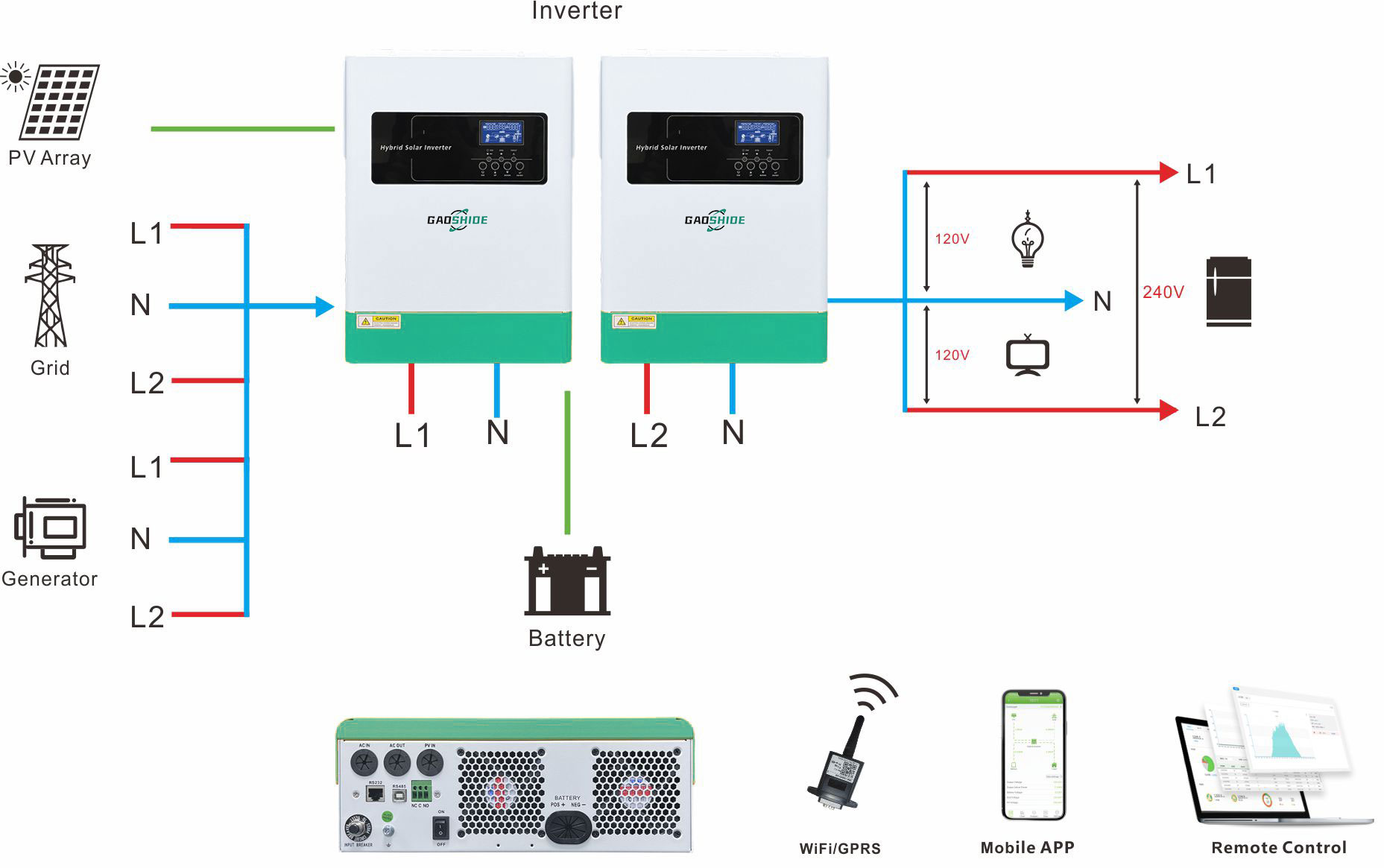
Combining DC-to-AC conversion with energy storage management, hybrid inverters are beneficial. These innovative systems seamlessly integrate lithium battery storage, enabling households and businesses to optimize self-consumption and backup power during outages.
Market Dynamics and Manufacturer Selection Impact
Manufacturer selection affects project results beyond equipment prices. Products fulfill worldwide safety and performance requirements with CE, IEC, and UN38.3 certifications from quality manufacturers. Reliable manufacturers with on-time deliveries and prompt customer service have made supply chain stability crucial.
Leading manufacturers are spending extensively on smart monitoring, grid support, and efficiency ratings to drive market development. Manufacturer selection is now a strategic business choice rather than a procurement decision since these developments affect system performance, maintenance, and long-term operating costs.
Top Solar Inverter Manufacturers in 2026: Industry Leaders and Their Core Strengths
Several prominent manufacturers of solar inverters serve distinct market sectors and technological needs with their individual strengths and specialties.
Schneider Electric: Innovation and Global Reach
Schneider Electric leads power management technology with constant innovation. From domestic to utility-scale applications, its inverter line excels in hybrid systems that interact with energy storage. The company's worldwide distribution network provides availability and local technical assistance across Europe, North America, and Asia-Pacific.
Their sustainability goes beyond product functionality to manufacturing processes and supply chain management, appealing to green integrators and project developers. System designers and installation teams benefit from technical documentation and training, which speeds commissioning and improves project results.
SMA Solar Technology: German Engineering Excellence
SMA's technical expertise and product dependability appeal to quality-focused integrators and EPC contractors. Their inverters work well in harsh environments and have excellent efficiency ratings, making them ideal for commercial and industrial applications.
The company's monitoring and diagnostic capabilities enable proactive maintenance and optimization tactics that prolong equipment lifetime and enhance energy production. Technical assistance includes extensive training and fast response to minimize project interruptions.
Huawei: Technology Innovation at Competitive Pricing
Huawei's solar inverters provide sophisticated digital technology and low prices for cost-conscious consumers without sacrificing performance. Their smart inverter solutions use AI and cloud monitoring to provide exceptional system performance and problem visibility.
Manufacturing scale and supply chain efficiency provide competitive prices and commercial-grade quality. After quickly expanding its worldwide service network, the organization now provides local assistance in major regions and addresses long-term service availability problems.
Leading Manufacturers Driving Market Evolution
Fronius excels in high-performance residential and commercial applications, including monitoring and system optimization. ABB provides strong industrial automation solutions for large-scale installations, whereas Sungrow dominates growing markets with competitive cost and dependable performance.
These firms innovate in efficiency, smart grid integration, and energy storage compatibility, giving integrators and project developers more advanced alternatives for different applications and market needs.
Comparative Analysis of Leading Solar Inverter Brands
Making educated procurement selections demands thorough examination of manufacturers across several factors that affect project performance and long-term value development.
Performance Metrics and Technical Specifications
Conversion efficiency is still important, with the best manufacturers reaching 98.5%. Weighted efficiency measures provide more accurate performance predictions under different operating situations. European efficiency ratings better forecast real-world applications by accounting for irradiance and temperature.
MPPT effectiveness greatly impacts energy collection, especially in systems with variable panel orientations or partial shadowing. Advanced algorithms and various MPPT inputs maximize performance in different installation settings, making them useful for complicated residential and commercial applications.
Performance reliability in harsh situations depends on temperature coefficients and operational range. Manufacturing with strong thermal management and extensive operating temperature ranges allows for installation flexibility and consistent performance throughout climatic zones.
Total Cost of Ownership Analysis
Total investment needs include more than initial equipment expenses. Equipment replacement and performance assurances are covered by 10–25-year warranties. Warranty extensions and servicing programs may greatly affect long-term operating costs and risk management.
Maintenance expenses and system availability depend on service network coverage and responsiveness. Remote assistance may cause operational issues for time-sensitive business applications, while local manufacturers provide quicker response times and reduced service prices. Training and technical documentation quality affect installation and commissioning efficiency, project costs, and timeframes.
Integration Compatibility and System Design Flexibility
Energy storage, smart house, and grid management services are increasingly needed in modern solar installations. Manufacturers that allow compatibility testing and integration simplify system design and commissioning.
Communication protocols and monitoring capabilities vary widely between manufacturers, influencing system visibility and optimization. Open communication standards allow third-party monitoring and control system integration, whereas proprietary protocols may hinder growth.
How to Choose the Right Solar Inverter Manufacturer for Your Business
A structured assessment methodology helps procurement managers and technical teams make objective judgments that meet business and project goals.
Defining Project Requirements and Performance Criteria
Good solar inverter manufacturer selection starts with precise project criteria and performance objectives. Residential installations emphasize cost-effectiveness, dependability, and aesthetic integration, whereas commercial projects prioritize efficiency, monitoring, and service support. Utility-scale projects need proven performance, strong communication, and complete warranty protection.
Energy storage integration requirements strongly impact manufacturer choice. Manufacturers supplying integrated hybrid systems with proven compatibility and improved control algorithms assist battery storage projects. Grid support skills grow more critical as utilities adopt additional interconnection and demand response regulations.
Environmental factors and installation limits impact manufacturer suitability. Coastal installations need corrosion resistance, whereas high-altitude or severe-temperature locales need unique specs. For difficult applications, manufacturers with comprehensive environmental testing and certifications are more reliable.
Supplier Evaluation and Risk Assessment
Financial stability and long-term sustainability are important risk concerns for projects needing extended warranty coverage and service assistance. Financial strength, market share, and R&D expenditure imply manufacturer sustainability and innovation.
Manufacturing quality processes and certifications reveal consistency and reliability requirements. ISO 9001, IEC, and specialist safety certifications show quality management and regulatory compliance. Supply chain transparency and geographic diversity lessen regional disruption and component scarcity risk.
Implementation Success Factors
Technical assistance quality throughout system design, installation, and commissioning greatly affects project results. Design tools, installation guidelines, and commissioning assistance from manufacturers decrease project risks and optimize performance. Installation crew and system operator training improves dependability and maintenance.
Operating expenses and system availability depend on local service and parts. Manufacturers with established service networks and inventory management systems support preventative maintenance and emergency repairs better, especially for commercial and utility-scale installations where downtime is costly.
Conclusion
Solar inverters are changing fast due to technical innovation and the rising need for efficient, dependable energy conversion solutions. Innovation, quality, and extensive support services for household installations to utility-scale projects set leading producers apart. Successful manufacturer selection includes rigorous examination of performance capabilities, total cost of ownership, and long-term partnership potential to meet business and market needs.
Frequently Asked Questions
1. What factors most significantly impact solar inverter lifespan and efficiency?
Inverter performance and lifetime depend on the environment. Extreme temperatures, humidity, and corrosion affect component deterioration. Quality manufacturers create thermal management systems with suitable component ratings to withstand these stresses.
Maintenance greatly affects equipment lifetime and efficiency. System performance monitoring, connection inspections, and cleaning assist in uncovering faults before they cause breakdowns. Manufacturers with extensive maintenance instructions and diagnostic capabilities provide proactive care solutions that prolong equipment life and optimize performance.
Performance and reliability depend on installation quality. Proper electrical connections, ventilation, and manufacturer standards avoid typical failure mechanisms and maintain warranty coverage.
2. How do hybrid inverters compare to conventional models in commercial applications?
Traditional inverters cannot handle energy storage like hybrids. This technology allows peak shaving tactics to lower commercial demand rates and provide backup power during outages. Integration simplifies system design and installation compared to independent inverter and battery management systems.
Project specifications and utility rates affect costs. Hybrid systems cost more but provide energy control and backup power. Higher demand charges or poor electricity dependability might justify the extra expense for commercial applications via operational savings and business continuity.
Hybrid systems improve solar generation and energy storage visibility with performance monitoring and management. This thorough inspection allows optimization tactics that enhance ROI and system dependability.
3. What should buyers prioritize when evaluating warranty and after-sales support?
Protection against failure modes and performance deterioration depends on warranty coverage. Service coverage covers labor and technical assistance, while comprehensive warranties cover equipment replacement and performance. Understand coverage restrictions and exclusions to avoid warranty claim surprises.
Response times and resolution effectiveness depend on service network capabilities. Local service presence speeds emergency response, but remote diagnostics may fix many problems without site visits. Manufacturing companies with service agreements provide greater coverage than those with factory support.
Quality technical documentation and parts availability impact long-term serviceability and maintenance costs. Ample spare parts inventories and technical expertise allow manufacturers to run successful maintenance programs that prolong equipment life and optimize performance.
Partner with Gaoshide for Premium Solar Inverter Solutions
Gaoshide New Energy Technology stands ready to support your solar inverter procurement needs with our advanced SUN-29.9/30/35/40/50K series hybrid inverters and comprehensive technical solutions. Our proven track record as a trusted solar inverter manufacturer ensures quality, reliability, and performance that meets demanding commercial applications. Contact our team at admin@gaoside.com to discuss customized solutions for your specific project requirements.
References
1. International Energy Agency. "Solar PV Global Supply Chains: Manufacturing and Technology Leadership in the Energy Transition." OECD Publishing, 2024.
2. Smith, J.A., et al. "Performance Analysis of Commercial Solar Inverter Technologies: A Comprehensive Evaluation Framework." Journal of Renewable Energy Systems, Vol. 45, 2024.
3. European Photovoltaic Industry Association. "Global Market Outlook for Solar Power 2024-2028: Inverter Technology Trends and Market Analysis." Brussels: SolarPower Europe, 2024.
4. Chen, L., and Martinez, R. "Quality Assessment Methodologies for Solar Inverter Procurement: Best Practices for Commercial Applications." International Conference on Sustainable Energy Technologies, 2024.
5. National Renewable Energy Laboratory. "Solar Inverter Reliability and Performance Standards: Technical Report NREL/TP-5D00-85432." Golden: NREL, 2024.
6. Anderson, K.M., et al. "Total Cost of Ownership Analysis for Commercial Solar Inverter Systems: A Multi-Year Performance Study." Solar Energy Engineering Quarterly, Vol. 38, No. 3, 2024.
YOU MAY LIKE