

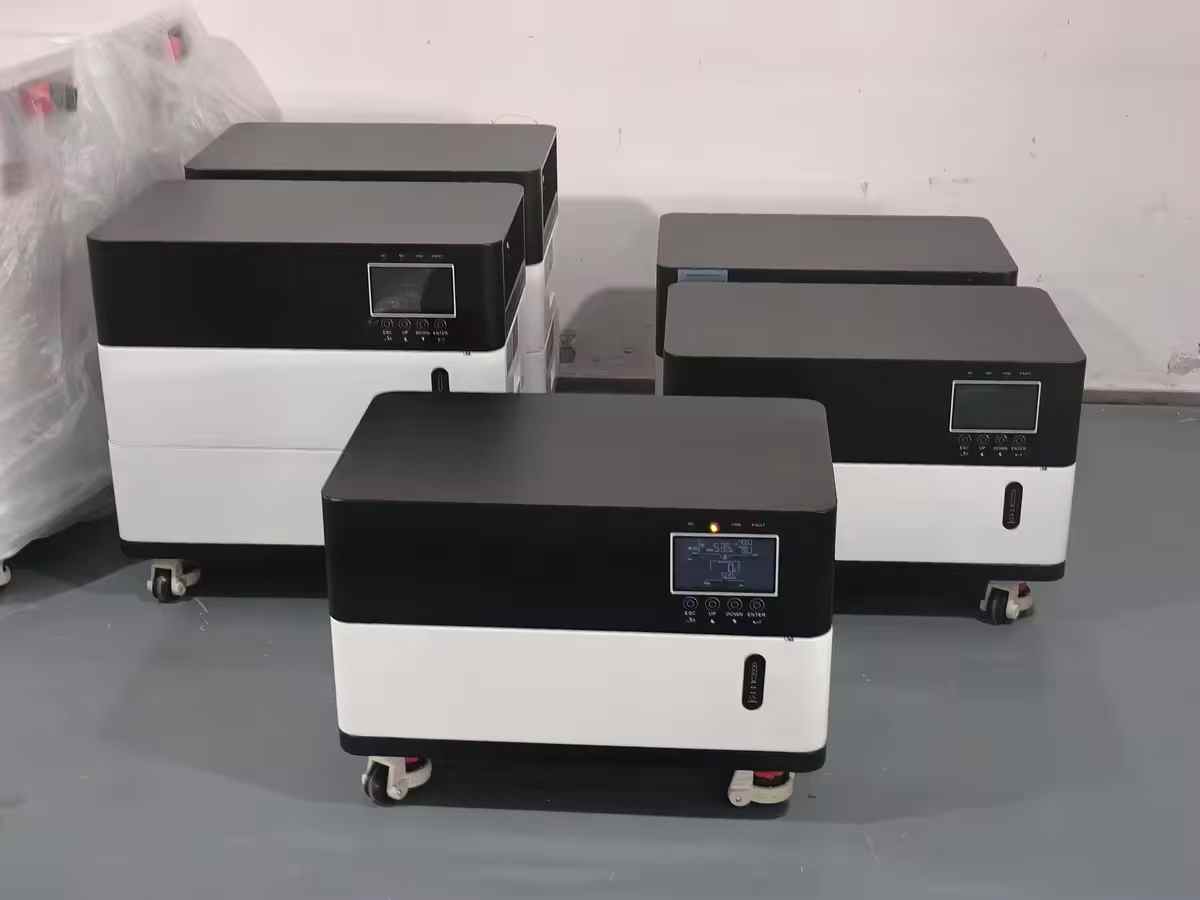
When evaluating battery technologies for solar energy storage, LiFePO₄ Battery (LFP Battery) systems consistently demonstrate superior performance over traditional lead-acid alternatives. LiFePO₄ batteries offer exceptional cycle life exceeding 3,000-5,000 charge cycles, higher energy density, enhanced safety features, and reduced maintenance requirements. While lead-acid batteries present lower upfront costs, the total cost of ownership favors lithium iron phosphate technology due to extended lifespan, improved efficiency rates up to 95%, and minimal degradation over time. Solar energy storage demands reliable, long-term solutions that maximize return on investment while ensuring system stability and safety.
Introduction
Solar energy storage is an important part of getting the most out of green power, especially for business and industrial uses. B2B procurement workers who want to improve system stability, operational costs, and lifetime performance must choose the right battery technology. This study carefully compares LiFePO₄ (LFP) and lead-acid batteries, focusing on their science, performance, cost, and usefulness in different situations.
Battery technologies are changing quickly because more people want green energy options. Modern solar setups need storage systems that can handle a lot of charge-discharge cycles and keep working in a wide range of weather situations. By knowing these differences, people who make decisions can make sure that their investments in solar storage meet the needs of the project and the goals for sustainability, which leads to long-term operating success.
Understanding Battery Technologies for Solar Storage
LiFePO₄ Battery Chemistry and Characteristics
LiFePO₄ batteries use lithium iron phosphate as the cathode material and are an improved form of lithium-ion technology. This safe chemistry keeps the voltage output constant during discharge cycles and is very stable at high temperatures. The phosphate-based structure makes it safer by blocking heat runaway situations that can damage other types of batteries.
LiFePO₄ Battery (LFP Battery) systems work with standard voltages of 3.2V per cell, which lets them be set up in a number of different ways for different solar uses. The technology is great at keeping its capacity for long periods of time. For example, good units keep 80% of their capacity after thousands of rounds. The temperature ranges from -20°C to +75°C make sure that the device works reliably in a wide range of weather situations.
Lead-Acid Battery Types and Applications
There are three main types of traditional lead-acid batteries: flooded, AGM (Absorbed Glass Mat), and gel. Each type is designed to meet a different sun storage need. Floating batteries need regular maintenance, like checking the charge level and cleaning the terminals. Sealed batteries, on the other hand, don't need as much maintenance. Lead dioxide cathodes and lead anodes with sulfuric acid solution are used in these batteries.
Lead-acid technology has been used in sun applications for decades and has been shown to be reliable, as has the LiFePO₄ battery (LFP battery). However, depth of discharge limits usually stop useful capacity at 50% of the rated standard to keep the system from failing too soon. The chemistry is sensitive to changes in temperature and needs careful charging management to get the most out of its life.
Performance Comparison: LiFePO₄ vs Lead-Acid for Solar Applications
Energy Density and Efficiency Advantages
Energy efficiency is one of the most important things that sets these systems apart. LiFePO₄ batteries have about three times the energy density of similar lead-acid batteries, which makes it possible to place them in smaller spaces. This benefit is especially useful in home and business settings where the size of the placement affects the cost-effectiveness of the system.
The rates of charging and releasing performance are another way that these technologies are different. Here are the main things that make each type of battery efficient:
- LiFePO₄ systems have round-trip efficiency rates of about 95–98%, which means they lose as little energy as possible during storage and retrieval processes while getting the most out of sun harvesting.
- Lead-acid options usually only work 80 to 85% of the time, which wastes more energy and makes the machine work less well over its lifetime.
- LiFePO₄ batteries can use 90–100% of their maximum capacity, while lead-acid systems can only use 50% of their capacity to keep them lasting longer.
- LiFePO₄ technology can take advantage of short bursts of solar power because it accepts fast charging. Lead-acid batteries, on the other hand, may limit charging rates to keep them from breaking.
By making better use of energy and lowering the size of the system needed, these economic benefits directly lead to a higher return on investment.
Temperature Performance and Environmental Resilience
Temperature resistance affects how well a battery works in different climates and times of the year. LiFePO₄ technology keeps working well at a bigger range of temperatures without losing much of its power. Its strong chemistry keeps working well in both hot summer and cold winter, when temperatures are high.
Lead-acid batteries lose a lot of power when it's cold outside; at freezing temperatures, they could lose 20 to 30 percent of their power. In hot conditions, electrolytes evaporate faster in flooded units, and all lead-acid types last less long overall. Managing temperature becomes very important for keeping performance levels acceptable in tough settings.
Economic Considerations for B2B Buyers
Total Cost of Ownership Analysis
Lead-acid batteries have low prices at first, but a full TCO study shows that LiFePO₄ Battery (LFP Battery) technology is more cost-effective. When the cycle life is longer, replacements are needed less often, which lowers long-term running costs. The cost of staff and materials for maintenance also affects the total cost of ownership.
LiFePO₄ Battery (LFP Battery) systems usually pay for themselves in three to five years in business solar uses, and they keep making money for another ten to fifteen years. Lead-acid alternatives need to be replaced every three to five years, which means ongoing capital costs that add up over the course of a project. Because lithium systems don't need as much care, they don't have to pay for regular service costs that come with maintaining flooded batteries.
Market Pricing Trends and Procurement Strategies
Recent changes in the market have made LiFePO₄ more valuable while also reducing the original cost gap between technologies. Large-scale installs can be done at low prices by system integrators who can buy in bulk. Lithium systems' supply chains are more stable now, which lowers the risks of buying them because of issues with inventory and wait times.
When looking at sources for either technology, quality control is very important. Established makers offer guaranteed security, expert support, and a track record of success that is necessary for business deployments. Strategies for buying things should focus on what suppliers can do, like making sure they have the right certifications, the ability to manufacture, and the infrastructure for after-sales support.
Application Scenarios and Suitability
High-Performance Solar Installations
LiFePO₄ technology works great in situations that need to cycle often, save space, and require little upkeep. The technology can handle daily charge-discharge cycles while keeping performance stable, which is good for commercial and industrial setups. Grid-tie systems that can back themselves up use their quick response times and high efficiency to run smoothly.
Off-grid residential systems gain a lot from LiFePO₄'s abilities, which are needed for stable operation and long autonomy. The technology's depth of discharge flexibility makes the most of useful storage space, so smaller systems are needed than with lead-acid options. Modern methods for managing energy are fully compatible with remote tracking.
Budget-Conscious and Limited-Cycle Applications
Lead-acid batteries can still be used in situations where money is tight, and cycling isn't needed very often. When the starting cost is more important than long-term performance, emergency backup systems that only work sometimes may be able to use lead-acid batteries. Lead-acid systems have been shown to be reliable in small domestic systems that don't need a lot of energy.
Lead-acid technology can be used in temporary setups and test projects for short-term deployments where replacements happen at the same time as the project's end. But even these uses are becoming more and more interested in LiFePO₄ systems because they are cheaper and work better, which makes the whole project a success.
Making the Right Choice: Decision Guide for Procurement Managers
Technical Evaluation Framework
People who work in procurement should look at different battery technologies, like the LiFePO₄ battery (LFP battery), based on the performance and application needs. The expected cycle life, the amount of discharge, and the economy need help choosing the first technology. Integration prices and difficulty are affected by how well new solar parts work with old ones, like inverters, charge controllers, and monitoring systems.
Safety concerns are becoming more and more important in business deployments. LiFePO₄ Battery (LFP Battery) technology is naturally stable at high temperatures and has a lower risk of fire compared to other lithium technologies. Full safety approvals, like UL, IEC, and regional standards, make sure that local rules and insurance requirements are met.
Scalability and Future Expansion Planning
To keep up with rising energy needs, modern solar systems often need to be able to grow. Modular LiFePO₄ systems make it easy to add more capacity without having to replace old equipment. Compatibility with existing setups of battery control systems makes sure that new modules can be added without any problems.
LiFePO₄ systems are becoming more popular as technology keeps getting better at making them cheaper and more energy dense. To make decisions "future-proof," you need to think about how technology is changing and how markets are adopting new technologies. Lead-acid technology is old and doesn't have much room for improvement. Lithium systems, on the other hand, are still showing signs of new ideas and progress.
Conclusion
When you look at LiFePO₄ batteries against lead-acid batteries, it's clear that lithium iron phosphate technology is better for current solar energy storage needs. For business deployments, longer cycle life, higher efficiency, better safety features, and less upkeep are all very appealing benefits. Lower initial prices are available for lead-acid systems, but LiFePO₄ systems regularly show better economic benefits through longer operating lifespans and better performance characteristics. Solar energy storage projects should focus on creating long-term value through tried-and-true methods that get the best return on investment and work reliably in a wide range of situations.
FAQ
1. What makes LiFePO4 batteries safer than lead-acid batteries?
The nature of LiFePO₄LiFePO₄ makes it naturally thermally stable, so it doesn't let heat run away. The phosphate-based cathode structure stays steady even in harsh conditions. Lead-acid batteries, on the other hand, can leak acid and release harmful gases when they fail.
2. How do charging requirements differ between these battery types?
LiFePO₄ battery (LFP battery) systems can handle faster charge rates and different charging settings without any issues. Lead-acid batteries need to be carefully charged to keep them from sulfating and to make them last longer. During charging processes, the voltage and current can't go over certain limits.
3. Can existing lead-acid solar systems be upgraded to LiFePO₄ technology?
Most solar systems can be upgraded to use LiFePO₄ with only minor changes. It may be necessary to make changes to the charge controller settings and battery management system to make lithium technology work with current inverters and wires.
4. What storage conditions optimize battery performance?
LiFePO₄ batteries can be stored in a wider range of temperatures and keep their power even when they are not being used for long periods of time. To keep sulfation and capacity loss from happening during storage, lead-acid systems need to be charged and maintained regularly and kept at a controlled temperature.
Partner with Gaoshide for Advanced Solar Energy Storage Solutions
Gaoshide New Energy Technology Co., Ltd. offers complete LiFePO₄ battery (LFP battery) maker services that are designed to work with solar panels in both homes and businesses. Our wide range of products includes energy storage systems that are wall-mounted, stacked, and all-in-one. All of these systems are fully certified to meet CE, IEC, and UN38.3 standards. Advanced battery control systems ensure the best performance, and OEM/ODM features let you make your own voltage and capacity setups.
Technical expertise spans hybrid, grid-tie, and off-grid inverter compatibility with dedicated engineering support throughout project implementation. Quality manufacturing methods keep cell performance consistent and extend their useful lives, while a competitive bulk price lets system integration make money. Contact our team at admin@gaoside.com for customized consultation and comprehensive technical specifications that optimize your solar storage investments.
References
1. "Lithium Iron Phosphate Battery Technology: Performance Analysis in Solar Energy Storage Applications." Journal of Energy Storage Systems, 2023.
2. "Comparative Economic Analysis of Battery Technologies for Renewable Energy Storage." International Solar Energy Research Institute, 2023.
3. "Safety Assessment of Energy Storage Systems: LiFePO4 vs Lead-Acid Battery Technologies." Energy Safety and Standards Review, 2022.
4. "Lifecycle Cost Analysis of Solar Battery Storage Systems in Commercial Applications." Renewable Energy Economics Quarterly, 2023.
5. "Thermal Stability and Performance Characteristics of Lithium Iron Phosphate Batteries." Advanced Materials for Energy Storage, 2022.
6. "Market Trends and Technology Advancement in Solar Energy Storage Systems." Global Energy Storage Market Analysis, 2023.
YOU MAY LIKE