

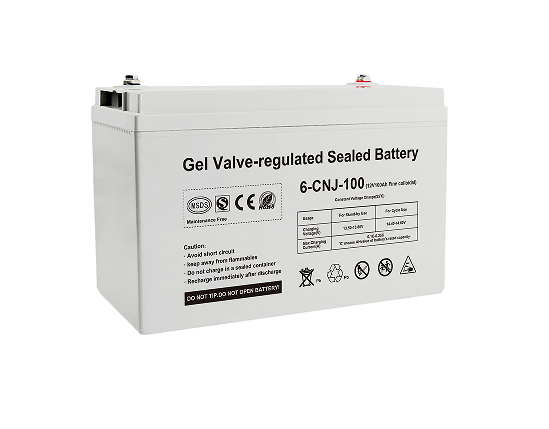
When looking for safe ways to store energy for use off the grid, sealed lead-acid gel batteries stand out as top performers that solve the most important problems in remote power systems. These cutting-edge energy storage devices use a special gel electrolyte technology that turns the problems that come with regular batteries into big benefits. The form of the gel battery removes the risk of spillage and makes it very resistant to physical impacts and weather stresses. Due to their leak-proof design and ability to withstand vibrations, gel cell batteries are especially useful in situations where safety, longevity, and steady performance are essential.
Understanding Sealed Lead-Acid Gel Batteries: Features and Benefits
A big step forward in battery technology is sealed lead-acid gel batteries, which were made to get around the problems with older flooded lead-acid systems. These cutting-edge power storage options use a special gel liquid that changes the way the battery works and how well it works in tough conditions.
The Science Behind Gel Electrolyte Technology
The main new thing about gel batteries is the way their electrolytes are made. Normal batteries use a liquid electrolyte, but gel batteries use a mix of sulfuric acid and silica gel to make an electrolyte that stays in place. This gel material stops the liquid from moving around inside the battery case. This means that even if the battery case gets broken, there is no chance of spillage.
The silica gel add-on changes the electrolyte into a material that stays in one place while keeping the electrochemical qualities that are needed for the battery to work properly. This design lets the battery use acid and electrolyte reactions in the same way that regular lead-acid batteries do, but without the safety issues and upkeep needs that come with them.
Key Performance Characteristics
When used in off-grid situations, gel batteries work exceptionally well across a wide range of operational factors. The sealed design means that it doesn't need any upkeep and can work for up to six years in normal circumstances. These batteries have better stability in how well they work throughout their entire useful life. Their performance drops sharply near the end of their useful life instead of slowly decreasing over time.
The design with valves keeps the sealed integrity of the system by having pressure release methods that handle gas buildup safely. Using this method keeps the extra pressure under control without affecting the leak-proof features that make these batteries perfect for sensitive placements.
Comparison of Gel Batteries with Other Battery Technologies for Off-Grid Use
Procurement professionals can make better choices based on application needs and operating limitations when they know how gel batteries compare to other battery technologies.
Gel vs. AGM Battery Performance
Absorption Glass Mat (AGM) batteries and gel batteries are both valve-regulated lead-acid batteries, but they work in different ways. Gel batteries can recover from deep loss better than other types of batteries, and they work better in hot settings. AGM batteries usually have cheaper start-up costs and can handle higher recharge rates, but gel batteries protect against spills and are more resistant to vibration.
Gel batteries are much better for outdoor setups where temperatures change a lot because they can handle a wider range of temperatures. This means that the performance will be more stable at high temperatures, and it will last longer in harsh environments.
Comparing Gel Batteries to Lithium Technologies
Gel batteries have a lower energy efficiency and a shorter cycle life than lithium batteries. However, lithium batteries are much more expensive to buy and require more complicated charging methods. For a balanced option, gel batteries offer dependable performance at a more affordable price while still having great safety features.
Gel batteries are great for situations where safety is very important because they are naturally stable. Gel batteries are naturally stable, even in bad situations, unlike lithium batteries that need complex battery control systems to keep them from overheating.
Advantages Over Flooded Lead-Acid Systems
Regular upkeep for traditional flooded lead-acid batteries includes checking the liquid level and cleaning the terminals. Gel batteries don't need to be maintained in this way, and their spill-proof design makes them safer than other batteries. Because they are sealed, gel batteries don't give off many fumes when they're working, which means that tight areas don't need as much airflow.
Practical Guide to Selecting and Maintaining Gel Batteries for Off-Grid Systems
To choose the best gel battery for your off-grid needs, you need to carefully think about a lot of technical and practical factors that have a direct effect on how well the system works and how long it lasts.
Capacity and Voltage Considerations
The right capacity sizing makes sure that the battery system can handle the predicted load while still having enough spare capacity for when demands come up out of the blue. For a smooth merger, it's also important that the voltage works with existing inverter systems and charge controls.
The size of the battery should take into account how much energy is used each day, how long the backup needs to last, and the maximum depth of drain. Gel batteries usually work best when they are only discharged to 50–70% of their full capacity. This greatly increases their cycle life compared to greater discharge patterns.
Installation Requirements and Best Practices
Gel batteries are very useful in places where space is limited because they can be installed in a variety of ways. These batteries can be placed in almost any direction and still work well, unlike flooded batteries that need to be upright to keep liquid from spilling out.
For gel batteries to work well and last as long as possible, they must be charged according to the right instructions. Care should be taken to keep the charge voltage from going too high, which could damage the gel electrolyte structure. For 12V systems, most gel batteries work best when charged with voltages between 13.8V and 14.4V, but each brand may have different needs.
Environmental Considerations
Gel batteries work great in places where regular batteries don't do well. They can withstand vibrations, which makes them perfect for mobile use, and their sealed design keeps the environment from getting into sensitive areas. Temperature adjustment in charging devices helps get the best performance in environments with a range of temperatures.
Procurement Insights: Buying and Sourcing Gel Batteries for B2B Buyers
To get around in the global gel battery market, you need to know about the qualities of key suppliers, how to buy from them, and how to build solid long-term supply relationships.
Manufacturer Evaluation Criteria
Companies that make good gel batteries show that their batteries always work by putting them through strict testing and licensing processes. International approvals like ISO 9001, UL listing, and CE marks show that a product meets quality standards that are known to be reliable. When evaluating a supplier, the name of the manufacturer in the industry, the terms of the warranty, and the level of professional help are all very important.
When buyers plan to buy in bulk or expect their battery needs to grow, production capacity and scalability become very important factors to consider. Manufacturers that have been around for a while usually have more stable supply chains and can handle different order numbers without having to change lead times too much.
Supply Chain and Logistics Considerations
Because gel batteries are considered dangerous materials for transportation, they need to be packed and documented in a certain way when they are shipped internationally. Knowing these standards helps buyers properly plan shipping times and logistics costs.
Buying in bulk can save you a lot of money, but you need to think carefully about how much space you need and how quickly you need to replace your inventory. Low self-discharge rates mean that gel batteries keep their charge longer than other types of batteries. This means that they can be stored for longer periods of time if they are taken care of properly.
Sustainability and Environmental Factors
Being environmentally responsible when buying batteries means looking at the recycling programs, environmentally friendly production methods, and ways to get rid of batteries when they're no longer useful. A lot of companies that make gel batteries have programs that let you return them and make sure that they are recycled properly.
Gel batteries last longer than other types of batteries, so they don't need to be replaced as often and have less of an effect on the world generally. When looking at total cost of ownership and environmental impact, this life factor should be taken into account.
Real-World Applications and Case Studies of Gel Batteries in Off-Grid Settings
Gel batteries can be used in a wide range of off-grid situations where regular power sources aren't available or aren't realistic. This shows how flexible and reliable they are.
Solar Energy Storage Systems
Gel batteries are very useful for solar setups because they can handle being fully discharged and keep working well even after many charge cycles. Because of changes in the weather, remote solar sites often have charging patterns that aren't consistent. This is why the strong charge acceptance qualities of gel batteries are so useful.
One of the most difficult uses for gel batteries is in telecommunications tower placements. It is important that these devices always have access to power, and they often work in places with harsh weather. Gel batteries are great for tower sites where equipment stability is very important because they can handle high temperatures and vibrations.
Marine and Recreational Vehicle Applications
Marine settings have their own problems, like constant shaking, high humidity, and limited space. These problems can be solved by gel batteries, which are protected and last a long time. The fact that these batteries can be mounted in any direction gives installers a lot of options for ships that need to make the best use of space.
Gel batteries are great for recreational vehicles because they don't need to be maintained. This is especially helpful for people who may not have regular access to repair facilities. Because it is spill-proof, you don't have to worry about battery acid damaging the inside of your car or its parts.
Emergency Backup Power Systems
When main power sources fail, critical backup power applications need to be completely reliable. Due to their low self-discharge, gel batteries keep working well even after being left in sleep mode for long amounts of time. Because they are so reliable, they are great for emergency communication systems, backup power supplies for medical tools, and security system power supplies.
Conclusion
Because they don't leak, are resistant to shaking, and don't need any upkeep, sealed lead-acid gel batteries are great for use when you're not connected to the power grid. The gel electrolyte technology solves important safety and dependability problems while keeping performance stable in a wide range of weather conditions. It is because of these features that gel batteries are especially useful in situations where regular battery technologies don't work well enough. Gel batteries are the best way to store power when you're not connected to the power grid because they are safe, cost-effective, and work well.
FAQ
1. What makes gel batteries different from regular lead-acid batteries?
A silica gel additive in gel batteries keeps the liquid from moving around. This makes the design spill-proof and eliminates the need for upkeep. This gel-like material keeps acid from spilling over while keeping the electrochemical qualities needed for safe power storing.
2. How long do gel batteries typically last in off-grid applications?
Under normal circumstances, good gel batteries should last between 6 and 8 years. Using the right filling methods and staying away from deep drain cycles can make this battery last a lot longer than regular flooded batteries.
3. Can gel batteries be used in any mounting position?
Yes, the sealed gel structure means that it can be installed in almost any direction without affecting performance. Because they are so flexible, they are perfect for situations where there isn't enough room for a standard straight mount.
4. Do gel batteries require special charging equipment?
Gel batteries can be charged with regular charge controls, but they work best with voltage management to keep them from being overcharged. Most good charge controls come with gel battery charging settings that automatically find the best charging conditions.
Partner with Gaoshide for Your Gel Battery Requirements
The Gaoshide New Energy Technology Co., Ltd. focuses in offering complete energy storage options that meet the specific needs of off-grid purposes. We can provide reliable, leak-proof options that work well in tough settings because we know a lot about gel batteries and energy storage systems. We know that energy storage installers have special needs when it comes to buying things. That's why we offer a wide range of customization options, foreign certifications, and quick technical support. Get in touch with us at admin@gaoside.com to talk about your unique gel battery provider needs and find out how our tried-and-true energy storage solutions can make your off-grid power systems better.
References
1. Battery Council International. "Valve Regulated Lead-Acid Battery Design and Performance Standards." Industrial Battery Standards Manual, 2023.
2. Institute of Electrical and Electronics Engineers. "Recommended Practice for Maintenance, Testing, and Replacement of Valve-Regulated Lead-Acid Batteries for Stationary Applications." IEEE Standard 1188-2023.
3. International Renewable Energy Agency. "Battery Storage Technology Roadmap for Off-Grid Applications." IRENA Technical Report Series, 2023.
4. Solar Power International Association. "Energy Storage System Design Guidelines for Remote and Off-Grid Applications." Technical Guidelines Publication, 2023.
5. International Electrotechnical Commission. "Secondary Cells and Batteries Containing Alkaline or Other Non-Acid Electrolytes - Safety Requirements for Portable Sealed Secondary Cells." IEC 62133 Standard, 2023.
6. Journal of Power Sources. "Performance Evaluation of Valve-Regulated Lead-Acid Batteries in Renewable Energy Applications." Academic Research Publication, Volume 542, 2023.
YOU MAY LIKE