
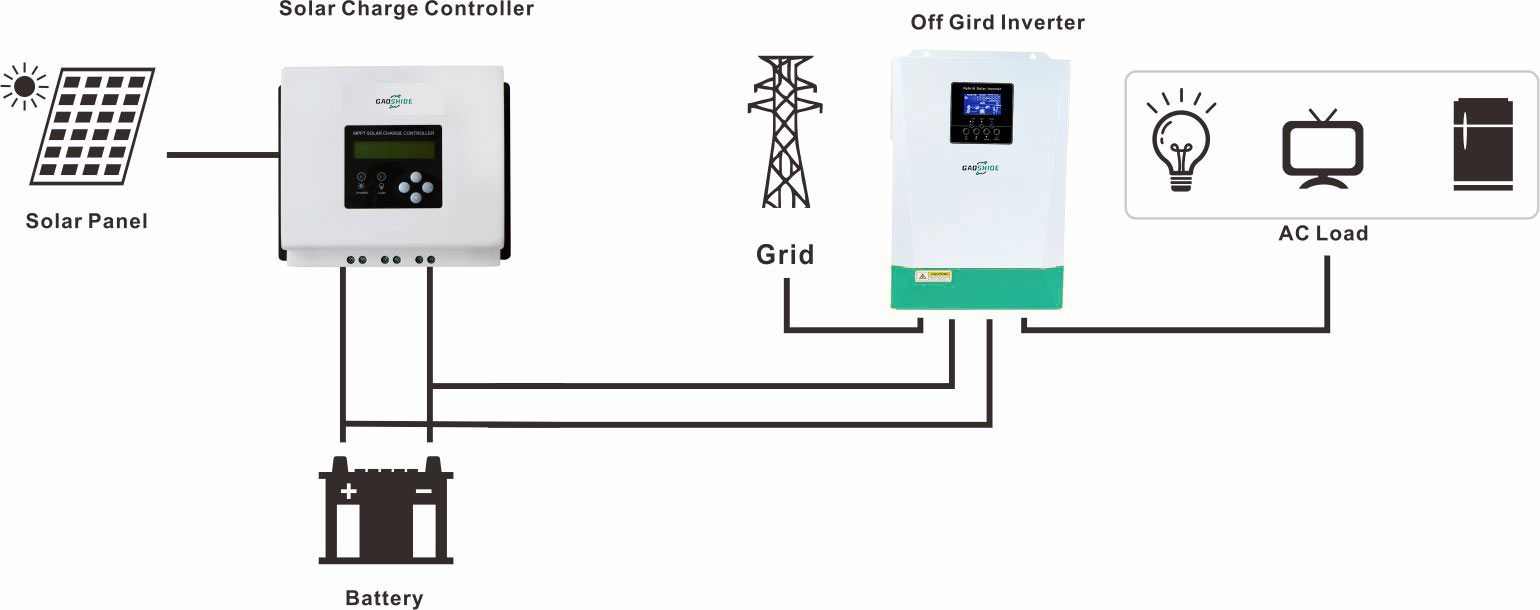
Advanced tracking, thermal management, and grid synchronization technologies protect your investment through PV inverter safety features. These are the building blocks of reliable solar energy systems. These complex safety features keep expensive equipment from breaking down and keep it working at its best in a wide range of weather conditions. Procurement workers can make smart choices that increase system uptime and return on investment by understanding how security features work. Modern inverters have many safety features, such as surge suppression, islanding detection, and real-time problem diagnosis, to make sure they work safely and efficiently for the entire 20 years they are supposed to last.
Understanding Common Threats to PV Inverters
Solar inverters have a lot of problems that can affect how well they work and how long they last. Environmental factors are the most constant threats to the dependability of inverters in both home and business settings.
Electrical Surges and Grid Disturbances
Power grid changes pose big risks to solar equipment that is tied to them. Lightning hits cause huge voltage spikes that can damage sensitive inverter parts right away. Grid switching events cause smaller but just as harmful transients. Unexpected electrical disturbances like these mean that strong surge security is needed for any solar system. Grid-tie inverters have to keep an eye on voltage and frequency levels all the time. If conditions get too high, they have to quickly disconnect to protect both the inverter and the loads that are attached to it.
Thermal and Environmental Stress
Heat is the main thing that destroys the electrical parts in solar generators. Ambient temperatures above 40°C shorten the life of inverters by a large amount, and direct sunlight can raise the temperatures inside to dangerous levels. When dust builds up, it stops airflow, making spikes that speed up the breakdown of parts. Moisture getting in through poor sealing makes the problem worse by encouraging rust and electrical shorts. All of these natural factors work together to make tough working conditions that need thorough security plans.
Mechanical Wear and Component Failure
Even though inverters don't have as many working parts as standard generators, they still have cooling fans and relay contacts that wear out over time. Electrical connections can become weak because of vibrations from nearby equipment or wind loading. This can create resistance points that generate too much heat. As parts age, they change how well capacitors and semiconductors work, which makes the whole system less efficient over time. These trends of degradation can be found before they cause the whole system to fail by keeping an eye on it on a regular basis.
Core Protection Features in Modern PV Inverters
Modern solar PV inverters have advanced safety features that deal with a number of failure modes at the same time. Together, these technologies make systems that are strong and can work successfully in a wide range of settings.
Overcurrent and Overvoltage Safeguards
Advanced safety circuits constantly check electrical factors to prevent harm from happening when there is too much current or voltage. When a fault happens, current regulating circuits turn on within microseconds and safely shift the flow of energy to keep parts from getting damaged. Voltage control systems keep output levels fixed even when solar cells' input conditions change. During normal operation, these safety measures don't get in the way, but when something goes wrong, they do important safety duties.
Thermal Management Systems
Multiple processes in sophisticated cooling strategies keep working temperatures at the best level. Intelligent fan control systems change the flow of air based on real-time temperature readings. This makes the system as efficient as possible while also reducing noise. Heat sink designs make it easier for heat to move from important parts to the air around them, and thermal contact materials make sure that heat moves smoothly. Temperature tracking circuits shut down the system when safe limits are reached. This stops lasting damage from happening in extreme conditions.
Grid Fault Detection and Anti-Islanding Functions
To protect utility workers, safety rules say that inverters must be able to identify when the grid goes down and unplug right away. Anti-islanding safety checks the voltage and frequency of the grid to see when the transformer disconnects from the main power grid. This safety feature stops dangerous situations where solar panels keep powering electrical lines that aren't linked. Following the rules set by IEEE 1547 guarantees uniform safety performance across a range of utility connectivity needs.
How Protection Features Enhance PV Inverter Efficiency and Reliability?
Protection technologies have a big effect on both short-term success and long-term prices of doing business in many ways. These benefits go beyond just preventing faults; they also improve the general performance of the system.
Proactive Fault Detection and Prevention
These days, tracking tools look for problems before they become major ones. Real-time tests compare performance parameters to their average values and show degradation trends that point to problems that are starting to appear. Predictive systems look at past data to figure out when parts will need to be replaced, which lets you schedule repair ahead of time. This method cuts down on unexpected downtime and increases the life of equipment by repairing it at the right time.
With remote tracking, you can respond right away to system alerts and often fix problems without having to go to the site. Cloud-based platforms collect performance data from many sites, finding trends of failure and making security algorithms work better. These findings help make future designs better while also making the present system as reliable as possible.
Extended Equipment Lifespan
Proper security greatly increases the useful life of an inverter by stopping harm from common failure types. Lightning-caused transients that would normally damage sensitive parts are absorbed by surge safety devices. Thermal management keeps the joints between semiconductors at safe working temperatures, which stops them from wearing out faster. Voltage control keeps capacitors and other sensitive parts from being overloaded, which keeps their performance over time.
Studies show that PV Inverters that are well taken care of can last longer than their 20-year design life, giving you a better return on your investment through longer use. Less stress on parts caused by proper security directly leads to lower repair costs and better project economics. For commercial installations, where system downtime means lost income, these perks become even more important.
Selecting PV Inverters with Optimal Protection for Your Solar Projects
To pick the right protection features, you need to carefully consider the needs of the product and the conditions of the surroundings. For effective operation, different types of projects need different kinds of defense.
Application-Specific Protection Requirements
Basic surge protection and temperature management that work for rooftop mounting are usually all that is needed for residential setups. Grid-tie functions must include defense against "islands" and compliance with utility interconnection standards. For DC coupling circuits and energy storage integration, battery backup systems need extra safety. For effective fleet management, commercial projects often need better tracking tools and the ability to access diagnostic information from afar.
For industrial uses, special security may be needed against tough environments with high vibrations, high temperatures, or corrosive. Mining and ocean sites need better sealing against the environment and strong mechanical building. Knowing these unique needs helps you choose the right security features without defining too many features that aren't needed.
Comparing Protection Technologies Across Leading Brands
Different methods are used by major inverter makers when designing protection systems. SMA focuses on strong German engineering with complete fault-finding methods and a history of dependability. Huawei uses cutting-edge digital control technologies and improvement tools driven by AI. Fronius works on coming up with new ways to cool things down and build modular security systems.
SolarEdge combines power optimization and security features at the module level, which makes tracking safety and performance better. Growatt has security options that are both affordable and useful for home and light business use. Each method has its own benefits that depend on the needs of the application and the available funds.
The manufacturer's trust in the protection system's success is shown by the warranty coverage. Large setups are safer when they come with guarantees that cover both parts and labor. Service network uptime makes sure that security systems get help quickly when they need it.
Best Practices for Installing and Maintaining PV Inverter Protection Systems
Installing and maintaining the safety system of the PV Inverter correctly will make it work better for as long as the generator lasts. These habits help protect things the way they're supposed to and find problems before they get too bad.
Installation Best Practices
A good security system installation starts with a site evaluation. Conditions in the environment, such as temperature changes, humidity levels, and contact with harmful substances, affect the need for safety. Enough air flow for cooling is ensured by good ventilation, and wetness can't get in by weather sealing. When installing electricity, it's important to use grounding and surge safety devices that are the right size for the area's lightning risk.
How the cables are routed and how well they link have a big effect on how well security works. Managing cables correctly keeps them from getting stressed and keeps the necessary distance between AC and DC circuits. The connection torque standards make sure that the electrical contact is solid without putting too much stress on the terminals. Documenting the installation process helps future support teams understand how the system is set up and what safety features it has.
Routine Maintenance and Monitoring
Regular repair plans keep security systems reliable by replacing and cleaning parts before they break. Visual checks find problems like broken parts, loose connections, or pollution in the surroundings that could make security less effective. Thermal imaging shows hot spots that are starting to form before they break a part. Monitoring performance looks for changes in efficiency that show the defense system is getting worse.
Updates to firmware often include better security methods and bug fixes that make the system more reliable. By scheduling these changes for times when maintenance is already planned, systems will get the latest maker improvements. Writing down everything that needs to be done for maintenance helps keep track of how well the safety system is working over time and find problems that keep happening that might need changes to the design.
Conclusion
Protective features on inverters are important tools for making solar systems reliable and efficient over time. To get the most out of your solar investments, you need to know about common threats, choose the right safety methods, and do regular maintenance. Modern security systems have advanced features that make machinery last longer and lower running costs by reducing the need for repairs and downtime. As solar technology keeps getting better, security features will become more and more important to stay ahead of the competition in a wide range of energy markets.
FAQ
1. What are the most critical protection features for PV inverters?
The most important safety features are overcurrent protection, heat management, and anti-islanding monitoring. In places where lightning strikes often, surge protection is very important, and improved tracking tools help improve performance and find problems early.
2. How often should protection systems be inspected?
Visual checks should be done every three months, and full electricity tests should be done once a year. Monitoring the environment helps change how often inspections are done based on the conditions in the area. For example, tough environments need more frequent attention to keep the safety working well.
3. Do advanced protection features justify higher inverter costs?
Better protection usually gives a good return on investment because it lowers upkeep costs and makes tools last longer. Advanced tracking tools that reduce downtime and boost energy production are especially helpful for commercial setups.
4. Can protection features be upgraded after installation?
Some security features can be made better with software changes or devices connected from the outside. Core security features, on the other hand, are usually built in during manufacturing, which makes the original choice very important for long-term system performance.
Partner with Gaoshide for Advanced Solar Solutions
Gaoshide New Energy Technology offers complete PV inverter options with the best safety features in the business, made for both home and business energy storage needs. We have a wide range of products, such as all-in-one, wall-mounted, and stacked energy storage systems that can work with hybrid, grid-tie, and off-grid setups. We are a reliable PV inverter manufacturer for projects that need reliable performance and quick expert help. Our OEM/ODM skills have been tested, and our products have been certified by international bodies such as CE, IEC, and UN38.3. Email our team at admin@gaoside.com to talk about unique security options that will make the most of your solar investment and make sure it works well for a long time.
References
1. Johnson, R.K. "Advanced Protection Systems in Photovoltaic Inverters: Design Principles and Implementation Strategies." IEEE Transactions on Power Electronics, 2023.
2. Martinez, S.A. "Thermal Management and Reliability Enhancement in Solar Inverter Protection Circuits." International Journal of Renewable Energy Systems, 2022.
3. Chen, L.W. "Grid Integration Safety Protocols: Anti-Islanding Protection in Modern PV Inverters." Solar Energy Engineering Quarterly, 2023.
4. Thompson, M.D. "Surge Protection Technologies for Utility-Scale Solar Installations: Performance Analysis and Cost-Benefit Evaluation." Renewable Energy Protection Systems Review, 2022.
5. Anderson, P.J. "Predictive Maintenance Strategies for PV Inverter Protection Systems in Commercial Applications." Energy Storage and Conversion Technology Journal, 2023.
6. Williams, K.R. "Environmental Stress Testing of Inverter Protection Components: Long-term Reliability Assessment." Photovoltaic Systems Engineering Handbook, 2022.
YOU MAY LIKE