

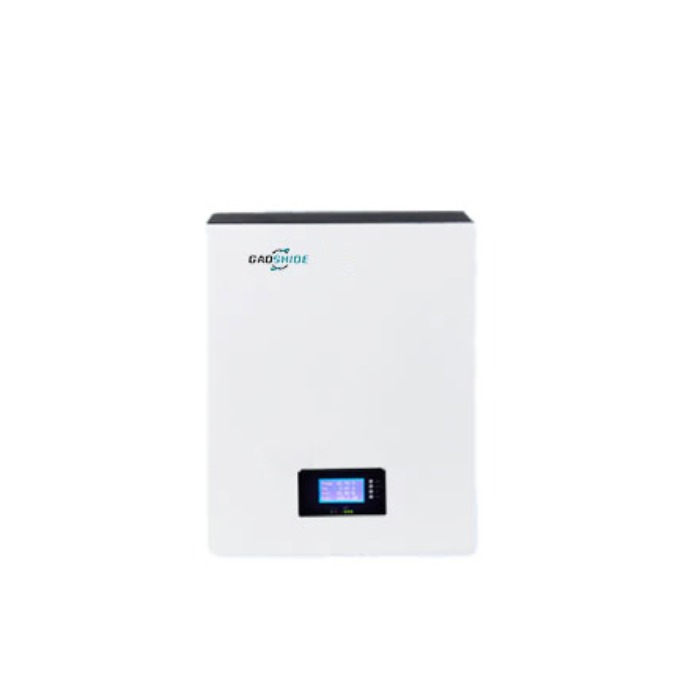
Your wall-mounted lithium battery needs regular maintenance and good operation to last. With regular maintenance, these energy storage devices last 10-15 years, longer than lead-acid ones. Regular charging cycle monitoring, temperature control, and battery management system upgrades are necessary. Know your battery's depth of discharge restrictions and avoid severe temperatures to improve longevity by 30%. Professional installation and manufacturer standards assure system performance throughout its lifespan.
Understanding Wall-Mounted Lithium Batteries and Their Lifespan
Advanced energy storage from wall-mounted lithium batteries has transformed home and business power management. Lithium iron phosphate (LiFePO₄) technology gives these tiny devices high energy density and wall-mountability. Understanding these systems' fundamentals helps procurement managers and technical teams choose batteries and manage lifecycles.
Operating Principles and Capacity Ranges
Modern wall-mounted energy storage devices use electrochemical processes to generate electricity on demand. Residential batteries generally have 5 kWh to 20 kWh capacity, whereas commercial systems may need modular designs above 100 kWh. For crucial applications, lithium iron phosphate chemistry maintains voltage output over discharge cycles.
The sophisticated battery management system (BMS) monitors cell voltage, temperature, and current flow to maximize performance and avoid damage. This advanced control system balances cell charges precisely, enhancing system efficiency. Lithium systems sustain power until near exhaustion, unlike lead-acid batteries.
Factors Affecting Battery Lifespan
Environmental factors greatly affect battery performance and lifetime. The ideal operating temperature for lithium battery chemistry is 15–25°C. Chemical breakdown accelerates at high temperatures, lowering cycle life and capacity retention. Electrical connections and housing components may corrode over 80% humidity.
Long-term battery health depends on use. Compared to deep discharge cycling, shallow discharge cycles between 20% and 80% state of charge enhance operational longevity. Frequent complete discharges damage battery chemistry and decrease cycles. Residential systems with unpredictable consumption last less than commercial systems with consistent load patterns.
Advantages Over Traditional Alternatives
Over lead-acid and AGM batteries, lithium technology is far better. Under ideal circumstances, lithium systems can last 6,000–8,000 charge cycles, compared to 500–800 for lead-acid batteries. This longer cycle life lowers overall cost of ownership despite greater initial expenditure.
Weight reduction is another benefit of wall-mounted setups. Lithium batteries weigh 60% less than lead-acid systems, simplifying installation and structural requirements. Compact size allows flexible installation in space-constrained locations.
Key Maintenance Practices to Extend Your Wall-Mounted Lithium Battery's Life
Comprehensive wall-mounted lithium battery maintenance practices maximize energy storage ROI and minimize expensive breakdowns. Regular maintenance should be planned and recorded to create performance baselines and discover problems before they affect system availability.
Regular Inspection and Cleaning Procedures
Monthly visual checks should detect physical deterioration, corrosion, and abnormal wear. Thermal expansion cycles may dislodge mounting brackets and hardware. Remove dust from battery housing surfaces using dry microfiber cloths to improve heat dissipation. Make sure cable routing is free of sharp edges and moving parts.
Electrical connections need special attention during maintenance checks. Check terminal connections for discoloration, corrosion, or loosening. Annual torque parameters should be checked using calibrated instruments to avoid connection deterioration. Measure connection resistance variations using suitable equipment.
Optimal Charging and Discharging Protocols
Charge management greatly enhances battery life and capacity. Limit the charge controller's maximum state of charge to 90% for everyday riding. This decreases battery chemistry stress and allows energy storage. In cold temperatures, lithium batteries cannot be charged safely.
Longevity optimization requires discharge control also. Prevent deep discharge damage with 20% state of charge low voltage cutoffs. Chemical changes from deep discharges below 10% capacity might shorten battery life. Monitor discharge rates to verify they meet manufacturer standards, usually 0.5C to 1C depending on application.
Environmental Control and Temperature Management
Temperature regulation is crucial to battery maintenance. Install continuous temperature monitoring devices for battery compartments. Ventilate battery installations to avoid charging heat. For installations in hot or restricted places, consider additional cooling.
Protect batteries from direct sunlight and ensure mounting sites are thermally stable throughout the year. Extreme climates may need insulation for optimum operating temperatures. Record temperature trends to discover thermal management system faults.
Battery Management System Monitoring
Modern battery management systems provide proactive maintenance with full monitoring. Set key parameter warning levels for cell voltage imbalances, temperature excursions, and current limiting events. Regular firmware upgrades keep BMS functionality up-to-date with safety regulations and performance enhancements.
Track long-term performance trends using data recording. Monthly reports should contain capacity retention, cycle counts, and alarms. Historical data allows predictive maintenance scheduling and identifies deterioration tendencies before they affect system dependability.
Troubleshooting Common Issues and Preventing Failures
Proactive issue detection and resolution prevent small issues from becoming expensive system breakdowns. Understanding typical failure mechanisms helps technical teams avoid and resolve problems.
Identifying Performance Decline and Capacity Loss
Quarterly capacity testing establishes baseline performance and tracks deterioration trends. Check provided capacity against manufacturer specifications for cell imbalances or age. Capacity losses above 20% from rated values usually need expert examination or replacement.
Track charge acceptance throughout typical charging cycles. Due to age or damage, batteries with longer charging durations or lower charge acceptance may have higher internal resistance. Record these observations to track performance.
Preventing Safety Hazards
Wall-mounted lithium battery temperatures must be monitored, and abnormalities addressed immediately to avoid thermal runaway. Install thermal safety mechanisms to isolate batteries during overheating. Since water-based fire suppression systems may intensify electrical fires, use lithium battery-specific solutions.
Ventilate battery compartments to avoid gas buildup. Lithium batteries normally emit little gas, but faults may release harmful fumes. Design ventilation systems for air changes and temperature management.
Emergency Response Guidelines
Prepare for thermal, electrical, and physical failures with detailed emergency procedures. Educate maintenance staff on reaction techniques and provide safety gear. Contact emergency services and tell them about lithium battery concerns.
Completely document emergency incidents to find reasons and avoid recurrence. Include extensive contributing factor analysis and remedial steps to remedy issues. Share safety lessons with maintenance personnel to raise awareness.
Procurement Considerations and Choosing the Right Wall-Mounted Lithium Battery
Technical criteria, supplier capabilities, and long-term support must be considered while choosing battery systems. Over the system lifespan, procurement choices affect total cost of ownership and operational dependability.
Evaluating Technology and Supplier Options
Tesla, LG Chem, Panasonic, Samsung SDI, and CATL provide distinct battery technologies with different performance. Inverter and grid integration are included in Tesla Powerwall systems. For space-constrained applications, LG Chem offers high-energy-density solutions. Manufacturers give different benefits based on use.
Supplier selection should take cell chemistry into account. LiFePO₄ outperforms lithium nickel manganese cobalt (NMC) in safety and cycle life. However, NMC chemistry has better energy density for applications that need maximal storage capacity in a little area.
Procurement Strategies and Cost Optimization
Bulk purchase may save money and ensure product specs across big deployments. Negotiate bulk discounts and framework agreements for project-long price stability. Compare supplier bids based on total cost of ownership, including maintenance, replacement, and disposal.
Optimization for unique application needs is possible with customization. Assess suppliers' capacity, voltage, and physical configuration flexibility to satisfy installation requirements. Custom solutions may be more cost-effective in the long run.
Professional Installation and Support Services
Battery performance and durability depend on proper installation. Make sure installation staff are certified and have lithium battery expertise. Check local electrical codes and safety during installation.
Technical support, warranty coverage, and replacement parts maintain system dependability after sale. Assess supplier support response times, technical knowledge, and geographic coverage. Good assistance prevents small difficulties from causing large operational interruptions.
Conclusion
Wall-mounted lithium batteries last longer and perform better with proper maintenance. Regular inspections, proper charging techniques, and environmental management optimize ROI. Understand typical failure types and take preventative actions to save downtime and maintenance expenses. Strategic supplier selection and procurement provide high-quality goods and extensive support. Professional installation and technical assistance improve system performance and safety.
Frequently Asked Questions
1. How often should I perform maintenance on my lithium battery system?
Monthly visual inspections combined with quarterly performance assessments provide adequate maintenance coverage for most applications. Annual professional inspections should include detailed electrical testing and BMS firmware updates. More frequent maintenance may be necessary for harsh environmental conditions or high-utilization applications.
2. What are the optimal charging and discharging practices?
Maintain charge levels between 20% and 90% for daily cycling to maximize battery lifespan. Avoid charging in freezing temperatures, and ensure discharge rates remain within manufacturer specifications. Configure automatic charge management systems to prevent overcharging and deep discharge conditions.
3. When should I consider battery replacement?
Consider replacement when capacity drops below 80% of rated specifications or when maintenance costs exceed replacement value. Unusual heating, swelling, or frequent BMS alarms indicate potential safety concerns requiring immediate evaluation. Professional assessment can determine whether repair or replacement provides better long-term value.
Partner with Gaoshide for Superior Energy Storage Solutions
Gaoshide provides industry-leading wall-mounted lithium battery solutions with competitive production and technical support. Our experts give specialized advice to maximize your energy storage investment and operating effectiveness. Talk to our experts at admin@gaoside.com to get precise technical specs for your application. We provide bulk purchases and bespoke setups as a recognized wall-mounted lithium battery manufacturer.
References
1. Battery University. "Lithium-ion Battery Care Guide: Extending Battery Life Through Proper Maintenance Practices." Battery Research Institute, 2023.
2. International Electrotechnical Commission. "IEC 62619: Secondary Cells and Batteries Containing Alkaline or Other Non-acid Electrolytes—Safety Requirements for Secondary Lithium Cells and Batteries for Use in Industrial Applications." Geneva: IEC Publications, 2022.
3. National Renewable Energy Laboratory. "Battery Storage for Residential and Commercial Applications: Maintenance and Performance Optimization Strategies." U.S. Department of Energy, 2023.
4. Energy Storage Association. "Best Practices for Lithium-Ion Battery System Installation, Operation, and Maintenance in Stationary Applications." Washington, DC: ESA Technical Guidelines, 2022.
5. Institute of Electrical and Electronics Engineers. "IEEE 1547: Standard for Interconnection and Interoperability of Distributed Energy Resources with Associated Electric Power Systems Interfaces." New York: IEEE Standards Association, 2023.
6. Solar Power International Research Institute. "Lithium Battery Technology Advancement Report: Maintenance Protocols and Lifespan Extension Methods for Grid-Connected Energy Storage Systems." Solar Industry Publications, 2023.
YOU MAY LIKE