

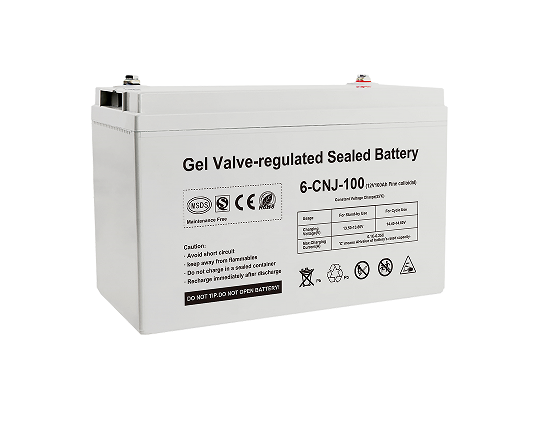
If you take good care of your lead-acid battery, it can last up to 8–10 years instead of the normal 3–5 years. These electrochemical storage systems need to be charged properly, kept in good shape, and have regular preventative maintenance done. This is what's important to know. Taking good care of backup power systems or home solar energy storage systems keeps them from breaking down and saves money on new costs. Lead-acid batteries have been around for more than 160 years, but they are still the most popular way to store energy for stable uses because they are reliable and don't cost much if you take care of them.
Understanding Lead-Acid Battery Maintenance Fundamentals
Lead-acid batteries are still the most important part of stores that store energy in homes and companies around the world. From home solar panels to internet gear, they power everything. To make them last longer and get the most out of your buy, you should first understand how they work and what kind of care they need.
Different Types and Their Maintenance Requirements
There are three main types of lead-acid batteries. How well they work and how long they last depend on the type of care that is used. It is important to check the electrolyte levels of wet cell batteries, which are flooded lead-acid batteries, and add water on a regular basis because water disappears naturally when the batteries are being charged. These systems usually last the longest if they are well taken care of, but workers need to be more careful with them.
Absorbed Glass Mat (AGM) batteries have a filter made of fiberglass that soaks up the acid. This keeps the system in good shape since you don't have to add water. But these systems are more likely to charge too much, and they need careful power control to make sure they don't get too hot. Silica gel is used in gel batteries to keep the liquid from moving. A deep discharge works really well with them, but they need to be charged in a certain way to make sure the capacity doesn't go away for good.
Professionals who buy batteries can choose the best technologies for their needs and set up repair plans that work with each technology when they know these differences.
Common Degradation Causes and Prevention
There are a lot of related processes that cause batteries to break down, but they can be slowed down a lot by giving them regular care. All too often, batteries die before they should because of sulfation. When the battery is discharged and charged again, lead sulfate crystals appear on the plates. After being dead for a long time, these rocks get harder. They are then hard to undo when the batteries are charged again, which makes them less powerful forever.
It takes time for the corrosion of the positive grid system to weaken the battery plates, which also makes them less able to carry electricity. It takes longer for this process to happen in hot places and when batteries are overcharged a lot. Grid rust makes the battery less powerful and increases its internal resistance. Eventually, this makes the battery totally useless.
Batteries don't last as long when it's very hot or cold. When it's hot, chemicals react faster, and more water evaporates. When it's cold, the battery's capacity drops, and the electrolyte can freeze in cells that don't have much power. These natural stresses can be lessened by having charge levels at the right level and temperatures under control.
Key Maintenance Principles for Optimal Performance
To take good care of a battery, it's important to keep the electrolyte specific gravity at the right level, avoid long shutdowns, and use the right charging methods. Regularly checking the voltage can help find issues before they get too bad, and keeping the links clean stops resistance losses that make the system work less well.
It is best to keep batteries fully charged when they're not in use. This stops sulfation and makes sure the batteries can keep their full capacity during shutdown cycles. When batteries are used in sleep mode, they may not be used for long periods of time before they run out of power.
Step-by-Step Guide to Maintaining Your Lead-Acid Battery
This method of planned repair keeps the lead-acid battery in good shape and finds issues before they cause the battery to fail without warning. You can use these steps for repair on a lot of different types of battery systems, from small home backups to large business ones.
Proper Charging Protocols and Voltage Management
To keep your battery in good shape, you should first use the right charge methods to avoid both undercharging and overcharging. The best way to charge is in three stages. It starts with a bulk charge phase that quickly restores about 80% of the battery's power using a steady current. Absorption is the next step. It keeps the voltage fixed and lets the current slow down as the battery gets closer to being fully charged.
The last float step lowers the voltage to make up for self-discharge without letting too much gas or water escape. This keeps the battery fully charged. Smart chargers scan the temperature and current of the battery to figure out which step to take next. Being able to charge without having to guess makes it work better.
During the absorption and float steps, it is very important to keep the voltage steady. For 12V systems, the absorption voltage should be between 14.4V and 14.8V, and the swing voltage should be between 13.2V and 13.8V. However, this can change depending on the battery type and temperature. If you go over these limits, grid rust and electrolyte loss speed up. On the other hand, sulfation and partial charge happen when you don't have enough power.
Routine Maintenance Tasks and Monitoring
Making plans for regular checks can help you find problems before they get worse and keep batteries running at their best for as long as they are useful. When you look at your batteries once a month, you should check for damage, corrosion, and low electrolyte levels in cells that have been drained. Clean and tighten terminal connections again to make sure they stay connected to the right wire and stop resistive heating.
Using a hydrometer to find the specific gravity can tell you a lot about how healthy the batteries are and how much power they have left. Most batteries have a specific gravity number between 1.265 and 1.285 when they are fully charged. When cells are different, it could mean there are issues. Low numbers that stay the same in all cells mean that the battery is not fully charged, while large differences between cells mean that some parts are not working properly.
Keeping an eye on the temperature helps find heat issues that could mean the battery is overcharging or has a problem inside, and it also makes the charging settings better. A lot of battery tracking systems on the market today use temperature adjustment to change charging levels automatically based on the temperature of the area. This keeps the batteries charged at the best level all the time, no matter what the weather is like.
Diagnostic Methods and Early Warning Signs
To avoid major breakdowns, thorough diagnostic procedures can be put in place as part of strategic upkeep. The best way to find out how much power a battery has and how well it works in real life is to load test it. In this method, a measured load is put on the battery, and the voltage change is watched. This shows a loss of ability that you might not see when there is no load.
Checking the internal resistance can help you figure out what's wrong with specific cells or groups of cells in a battery. If you see grid rust, sulfation, or electrolyte problems that need to be fixed, that means the resistance is going up. By regularly checking the resistance, you can set baseline values that can be used for comparison. This lets you spot early signs of degradation.
Keeping an eye on the voltage while the battery is being charged and drained can tell you a lot about its health and how well the charging system is working. Fix batteries right away if they don't reach the right voltage while charging or drop quickly when they're being used. If you don't, they could die.
Troubleshooting and Problem-Solving for Lead-Acid Batteries
In homes and companies, energy storage systems often don't work right, which can have a big impact on how stable the system is and how much it costs to run. You can solve problems quickly and keep them from getting worse if you know about common issues and how to fix them.
Common Performance Issues and Solutions
The most common issue with lead-acid battery systems is sulfation. This can happen when the batteries aren't used regularly or when the filling methods aren't good enough. Batteries form crystalline layers that stop them from charging properly after being empty for a long time. Sometimes, equilibrium charging after controlled overcharging can fix light sulfation. Batteries that are badly damaged, on the other hand, may need to be replaced.
When there is less downtime during charge processes, there is less capacity loss. A number of things can lead to this, such as sulfation, grid rust, or active material loss. Testing in a planned way helps find the cause. The battery is getting close to the end of its useful life and needs to be changed in some cases, while everyday maintenance can fix others.
Changes in voltage that happen when the battery is charging or discharging are often a sign of changes in the resistance or cell ratios inside the battery strings. These issues need to be carefully looked at to see if certain cells can be fixed or if the battery as a whole needs to be changed to keep the system working.
Real-World Case Study: Preventing Premature Failure
For some reason, the backup batteries at an operations center kept dying. The batteries were meant to last 5 years, but they only lasted 18 months. An analysis found that the temperature settings were not set properly, so the charging system worked at too high a level. The high charge levels made the grid rust faster and the liquid leak faster, which made the battery last a lot less time.
The battery lasted longer (over 7 years) and worked better when the right temperature-compensated charging methods were used, and the system was checked once a month for maintenance. When you fix something the right way, you can go above and beyond what the maker says is needed and still save money.
Safety Protocols and Industry Standards Compliance
When working with lead-acid batteries, you have to follow strict safety rules because the acids can be dangerous, and hydrogen gas can be produced when the batteries are charged. You can avoid getting hurt while doing repair work by wearing gloves that can handle acid, eye protection, and the right clothes.
When batteries are put in small spaces, they need to have good air flow because hydrogen gas can build up and cause an explosion. It is important to follow industry standards like IEEE 1187 when installing and managing batteries so that people are safe and the system works well.
If there are acid spills or power problems with lead-acid batteries, there should be clear emergency plans in place. Also, anywhere that lead-acid batteries are kept should have the right neutralizers and first aid supplies on hand.
Choosing the Right Lead-Acid Battery for Your Business Needs
It is important to think about the needs of the application, how easy it is to keep, and the total cost of ownership when picking the right battery technology. When you know the pros and cons of each type of battery, you can make smart decisions that save you money and time.
Comparing Battery Types for Different Applications
When they are taken care of properly, flooded lead-acid batteries can last the longest and cost the least to start. These systems work best in set places where maintenance staff can get to them regularly and where the strong construction makes care less important. Batteries that float are cheap and stable, so they are often used as backup power in industries and green energy projects.
AGM batteries have great life performance and don't need to be taken care of. Because of this, they work great in places where regular upkeep is hard to reach or where the installation room needs to be kept shut. But these systems cost 20–40% more than the same type of flooded batteries and don't last as long when used as floats.
Gel batteries are better able to handle high temperatures and deep drops than other types of batteries. This means they can be used in places with rough weather or conditions that make riding difficult. Because they need to be charged in a certain way and have a higher starting cost, they can only be used in cases where their special features clearly make them better.
Here are the core advantages of Gaoshide's residential battery storage systems that address common procurement challenges:
- Flexible voltage configurations spanning 12V, 24V, and 48V options accommodate diverse system architectures without requiring complex voltage conversion equipment.
- Comprehensive capacity range from 100 Ah to 3000 Ah enables precise sizing for applications ranging from small residential backup systems to large commercial installations
- Extended cycle life, delivering up to 1500 cycles at 50% depth of discharge, significantly reduces replacement frequency compared to standard automotive batteries.
- Wide operating temperature range from -20°C to 50°C ensures reliable performance in challenging environmental conditions without requiring expensive thermal management systems
These advantages effectively solve common integration challenges while reducing total cost of ownership through extended service life and reliable performance characteristics.
Key Procurement Considerations for B2B Buyers
Procurement workers need to look at more than just the original buy price when they buy batteries to get the most out of their money. How much it costs to own something includes fixes, how long the battery should last, and how often it needs to be changed. Most of the time, these costs are greater than the changes in how much the batteries cost to start.
Things like guarantee terms and how well the provider can help become very important when a lot of batteries fail at once. For important uses, providers who offer full expert help and quick repair services add value, which is why they charge more.
You might want to stick to a few different types of batteries when you buy a lot of them. This will make upkeep easier and let you keep extra parts on hand while you bargain for big deals. But this way has to deal with the cost savings while still picking the best battery type for each job.
Sustainable Practices: Recycling and Environmental Compliance
Being environmentally responsible when managing lead-acid batteries means more than just thinking about how to get rid of them. It means being responsible throughout their whole life, from getting the materials to reusing them when they're no longer useful. It is possible to get over 95% of lead-acid batteries back. This makes them one of the most reclaimed consumer goods in the world.
Understanding the Recycling Process
Almost all of the parts of old lead-acid batteries are found and used to make new things. Batteries are broken up and stacked in different ways. The polyethylene is then cleaned and used to make fresh boxes for batteries. When you melt down lead pieces, you get polished lead that is used in new battery packs and links.
Sulfuric acid electrolyte is either watered down and turned into sodium sulfate so that it can be used in industry or cleaned up so that it can be used to make new batteries. This way of reusing saves money on raw materials for making new batteries and is better for the environment.
Strict rules about the environment keep workers safe and make sure that modern recycling centers don't put lead into the air. To keep their licenses to work, these sites have to follow strict rules and have their environmental effects checked often.
Regulatory Compliance in Key Markets
In the European Union, companies that make and sell batteries must set up programs to gather and recycle batteries and meet certain goals for how efficiently batteries can be recycled. These rules also say that trash must have clear signs and that people must be taught the right way to throw trash away.
In most of North America, shops that sell batteries must take used batteries to be recovered instead of throwing them away with regular trash. However, rules vary from place to place. Many states charge fees or payments to recycle in order to pay for the tools that are needed to pick up and handle the trash.
Companies that sell or spread batteries need to know the rules that apply to them. If they don't, they could get fined a lot and be unable to run their business. When you work with approved recycling partners, you can follow the rules and help the environment.
Conclusion
Maintaining lead-acid batteries the right way makes them last a lot longer and makes sure they work reliably for their whole life. Getting to know basic maintenance rules, setting up regular check-ups, and fixing problems as soon as they come up can help things last longer and give you a better return on your investment. The keys to success are always charging the system the right way, keeping an eye on important things, and changing old parts before they break the system. When you follow these tips and pick the right batteries for the job, you can keep the system stable and have the lowest total cost of ownership.
FAQ
1. How often should I perform maintenance on my lead-acid battery system?
An eye check should be done on all types of batteries once a month. Every three months, flooded batteries should get a full checkup that includes measuring their specific gravity. Putting a load on batteries once a year helps you see which ones need to be changed and make sure they keep their power. However, how often the machine is fixed might need to be changed based on how it is used. Some places may need more frequent care, like those that are hot or have a lot of riding.
2. What are the warning signs that indicate my battery needs replacement?
Loss of more than 20% of the claimed capacity, changes in voltage while charging or discharging, battery cases that swell or crack, and high rates of self-discharge are all warning signs. When batteries are flooded, specific gravity changes between cells that are greater than 0.030 are another sign that there are problems inside the battery that need to be fixed or the battery needs to be changed.
3. Can I mix different battery types or ages in the same system?
It is not a good idea to mix very different types or ages of batteries because it can make charge go unevenly, system performance go down, and younger cells fail before they should. Different battery technologies can cause problems when connected in series or parallel because they need to be charged in different ways and have different features inside.
Partner with Gaoshide for Professional Lead-Acid Battery Solutions
Gaoshide New Energy Technology Co., Ltd. has been working on ways to store energy for many years and has many goods that can be used at home or in business. Our lead-acid battery systems have been shown to work well in a wide range of work settings thanks to our modern production methods and strict quality control standards.
As an honest company that makes lead-acid batteries, we offer full expert help throughout the whole duration of the product, from planning the system to making sure it works best during regular maintenance. The engineers on our team work closely with project managers and system designers to make sure that the solutions we offer fit the needs of each application and don't cost too much. Our large selection of goods can be used for both small backup power systems for homes and large systems for businesses. They have voltages from 12V to 48V and can hold up to 3000Ah. Email our technical staff at admin@gaoside.com to talk about your energy storage needs and find out how Gaoshide's tried-and-true battery solutions can help your project succeed while cutting its long-term costs.
References
1. Battery Council International. "Technical Bulletin: Lead-Acid Battery Maintenance Best Practices." Industrial Battery Standards Publication, 2023.
2. IEEE Standards Association. "IEEE Standard 1187: Recommended Practice for Installation Design and Installation of Valve-Regulated Lead-Acid Batteries for Stationary Applications." Institute of Electrical and Electronics Engineers, 2022.
3. International Electrotechnical Commission. "IEC 60896-11: Stationary Lead-Acid Batteries - Part 11: Vented Types - General Requirements and Methods of Test." International Standards Organization, 2023.
4. Battery University. "Advanced Lead-Acid Battery Maintenance and Troubleshooting Guide." Technical Publications Department, 2023.
5. National Renewable Energy Laboratory. "Energy Storage System Maintenance Protocols for Grid Applications." U.S. Department of Energy Technical Report, 2022.
6. European Battery Recycling Association. "Lead-Acid Battery Recycling and Environmental Compliance Standards." Environmental Protection Guidelines, 2023.
YOU MAY LIKE