
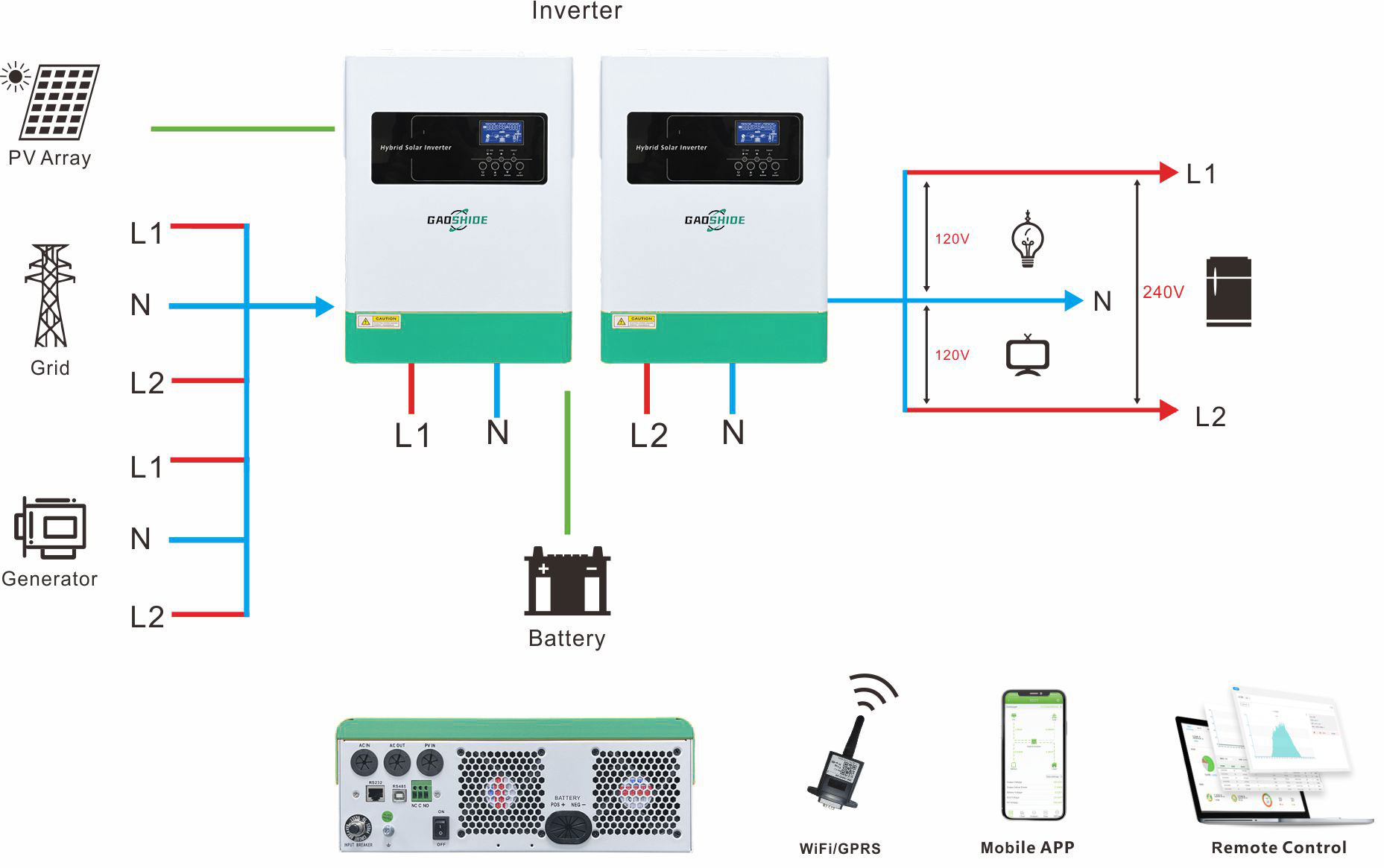
To choose a grid-tie inverter that is suitable, you need to carefully look at the technical specifications, licensing standards, and grid code requirements that make sure the inverter works well with utility networks. In order to be grid-tied, an inverter must follow strict safety rules, show that it can prevent islands, and stay in line with the local grid's voltage, frequency, and phase alignment. Inverters that are certified under UL1741, IEEE 1547, and IEC standards are needed in modern solar systems to make sure they work reliably and follow local rules that protect both equipment and electric infrastructure.
Understanding Grid-Tie Inverters and Compliance Requirements
As the link between solar photovoltaic systems and utility grids, grid-tie inverters change the direct current from solar panels into alternating current that works with the grid. Grid-tie solutions work with current utility infrastructure to deliver clean energy efficiently. This is different from off-grid systems that work without the grid or mixed configurations that include battery storage.
When looking at compliance standards, the difference between these kinds of inverters becomes very important. Off-grid units don't need to be able to work with the grid in complex ways, but grid-tied systems do. This includes keeping an eye on the grid in real time, disconnecting automatically during power blackouts, and regulating voltage precisely to keep power quality standards.
Essential Certification Standards
System workers and energy networks are both kept safe from possible dangers by following set certification frameworks. In North American markets, UL1741 is the most important standard for inverter safety. It covers fire safety, electricity protection, and environmental resistance. This approval makes sure that inverters can work even when something goes wrong without putting other people in danger.
IEEE 1547 sets the technical standards for how distributed energy supplies can link to power grids. This standard spells out the rules for coupling, such as voltage and frequency bands, reconnection times, and the ability to "ride through" when the grid goes down. Recent changes to IEEE 1547 have added features to smart inverters that make grid support services possible.
IEC62109 guidelines are very important for international markets because they spell out all the safety rules for power converters used in solar systems. These standards cover things like electromagnetic compatibility, tests for the environment, and coordinating shielding so that things work reliably in a wide range of climates.
Regional Compliance Considerations
In North America, markets put a lot of weight on UL ratings and following local utility interconnection deals. It is important to check specific grid codes before making a final decision on an inverter because each utility company may have different requirements that go beyond national standards. Rule 21 in California, link standards in Texas, and other state-level rules make things more difficult for purchase managers.
On European markets, CE marking and following EN norms that are the same as IEC rules are very important. The European grid code scene is very different from one country to the next. For example, Germany's VDE-AR-N 4105 and Italy's CEI 0-21 have some of the strictest technical standards in the world. Learning about these area differences can help you avoid costly delays in starting up a project.
It is a condition in all big markets that protection against islands be in place. This safety feature makes sure that transformers quickly disconnect from the grid when the power goes out. This keeps electrical islands from forming, which could put utility workers in danger. Modern inverters use complex detection systems that can find grid breakdowns in milliseconds and keep normal grid events from causing too many trips.
Core Criteria for Selecting a Grid-Tie Inverter
The key to a good solar system is getting the right size grid-tie inverter. The link between the size of the solar panel, the rating of the grid-tie inverter, and the local load patterns needs to be carefully studied in order to get the most energy out of the system while still staying within the limits for connecting to the grid. Most of the time, oversizing rates are between 1.1 and 1.3. This lets systems get the most energy when conditions are best without overloading the transformer.
System specs need to take into account both the needs of now and the potential for growth in the future. Many business setups are better with modular designs that let you add more capacity without having to rethink the whole system. It's important to think about flexibility as a business grows or as its energy needs change over time.
Grid Code Compatibility
To make sure that something works with local grid codes, you need to know about specific technical standards that are very different from one area to the next. When choosing an inverter, you have to think about the working ranges for voltage and frequency, the power factor needs, and the harmonic distortion limits. Modern grid rules ask for smart inverters to be able to do more than just regulate voltage. They also need to be able to respond to frequency changes and control reactive power.
Firmware updates make sure that compliance stays high as grid codes change. Utility companies often change the standards for connectivity to keep up with new technologies and changing grid conditions. Inverters that can be updated from afar can adapt to these changes without having to be inspected on-site. This lowers the cost of servicing and ensures that compliance is always met.
Communication methods are becoming more and more important in integrating grids. Modbus, SunSpec, and utility-specific protocols make it possible to watch and run systems in real time, which helps improve system performance and keep the grid stable. When a market has advanced grid control systems, these features are required.
Performance and Reliability Factors
Modern inverters can reach peak efficiencies of over 98%, which has a direct effect on the costs of the system. Weighted efficiency measures, on the other hand, make comparisons more useful because inverters work at different power levels throughout the day. Ratings for energy economy from the California Energy Commission give you a standard way to compare different systems.
The warranty terms and the level of professional help have a big effect on the total cost of ownership. Full warranties that cover parts, labor, and performance promises protect your money against problems that happen too soon. Having quick access to expert help is very important during the setting up and fixing phases, especially for large business installations.
Ratings for the environment make sure that things work reliably in a wide range of weather circumstances. Enclosures with an IP65 or NEMA 4 grade keep out water and dust, and the working temperature range tells you if they are right for harsh climates. These requirements are especially important for sites that will be outside in harsh conditions.
Comparing Top Grid-Tie Inverter Solutions in the Market
There are a number of well-known companies in the global inverter market that offer a range of technology methods and certifications. German tech that focuses on dependability and grid compliance helps SMA keep a strong market presence. Their goods work really well in utility-scale uses where strong grid support is worth the extra cost.
Huawei has become a star in technology by designing string inverters in new ways that use cutting-edge power electronics and tracking systems. Their solutions work especially well in business settings where smart grid features and high power density give them an edge over their competitors.
Fronius is in the high-end market, and its production in Austria puts a lot of emphasis on build quality and smart tracking features. Even though they require a bigger initial investment, their goods are popular with markets that value long-term dependability and full expert support.
SolarEdge was the first company to use power optimizer technology, which blends the economics of string inverters with tracking and optimization at the module level. This way of doing things solves the problem of shading while keeping the centralized grid interface features that make compliance easier.
Technology Comparison: String vs. Micro Inverters
String inverters are a cheap way to power sites with few shade issues and panels that are all facing the same way. Their centralized form makes it easier to connect to the grid and offers economies of scale for bigger systems. Technicians can service fewer units at a time, which makes maintenance more efficient. However, system-level problems can affect more than one panel at the same time.
Microinverters offer tracking and module-level tuning, but they cost more per watt. Each unit needs to be in line with its own grid, which could make the process of connecting them more difficult while making them safer by lowering the DC voltages. This technology works really well in home settings with complicated roofs or problems with shade.
Power optimizers try to connect these two ways of doing things by giving module-level optimization while keeping the contact with the central grid. This combination approach takes some good things from both technologies and adds some extra complexity that might affect how reliable it is in the long run.
Cost-Benefit Analysis Framework
To figure out the total cost of a system, you have to look at both the original capital spending and the ongoing operating costs. Even though premium inverters cost more up front, their higher dependability and efficiency can make the costs worth it by lowering the need for upkeep and increasing energy production.
Warranty terms have a big effect on financial forecasts. Depending on the technology and maker, normal coverage ranges from 10 to 25 years. Options with longer warranties offer more safety, but you should carefully weigh the costs and benefits, especially since the cost of replacing an inverter may go down over time.
Performance tracking lets you plan smart upkeep and optimization methods that get the most out of your grid-tie inverter. Remote tracking tools can find early signs of grid-tie inverter performance degradation, which lets you fix the problem and stop big energy losses. For bigger commercial sites where grid-tie inverter energy production has a direct effect on the bottom line, these skills become more useful.
Installation, Maintenance, and Troubleshooting Considerations
Professional repair protects your guarantee coverage and makes sure that you follow all safety and grid code rules. Certified fitters know the rules in their area and have the specific skills needed for the right commissioning processes. Their knowledge is especially useful when dealing with utility interconnection processes that, if not done properly, can take longer than expected to finish a job.
When installing something, you need to think about both electricity safety and long-term dependability. Proper wiring, surge protection, and weather protection keep things safe while reducing the amount of upkeep that needs to be done. Different markets have very different documentation needs. For example, some utilities need very thorough launching reports that show they've met all the technical requirements.
Maintenance Best Practices
Scheduled regular maintenance keeps both performance and compliance status up to date throughout the lifetime of a system. Visual checks can find problems before they affect operation, and firmware changes make sure that grid code compliance stays the same even as standards change. Cleaning methods keep cooling working at its best, which is especially important in places with a lot of dust or pollution.
Performance tracking lets you make maintenance choices based on data, which improves both system uptime and maintenance costs. Trend analysis can tell when performance is slowly getting worse, which means problems are starting to form. This lets you take action before they become too expensive to fix. Modern tracking systems have automatic alerts that make it easy to fix problems quickly.
Keeping up with documentation management is important for guaranteeing coverage and showing ongoing compliance. Maintenance records, performance data, and compliance certificates show that the system is working correctly, which is something that utilities and inspectors may need during regular checks.
Common Troubleshooting Scenarios
The most common technical problem in current grid-tie devices is that they can't communicate. Problems with network connectivity, protocol mismatches, and configuration mistakes can make it hard to watch while keeping energy output at normal levels. Systematic repair steps help find the root causes quickly and keep system downtime to a minimum.
Problems with the power quality could mean that there are problems with the tools or with the grid, which require different ways of responding. Harmonic instability, changes in voltage, and changes in frequency can set off safety systems that make it harder to generate energy. Knowing how these things work together helps techs tell the difference between problems with tools and problems with the power grid.
Grid code violations can happen when equipment breaks down or when utility needs change, and the system needs to be updated. Regular compliance checks make sure that operations keep going and find problems before they cause the system to stop automatically. By being proactive, this method keeps the system available and shows good grid behavior.
Final Checklist and Best Practices for Procurement Managers
To get the best results from a project, comprehensive procurement plans for a grid-tie inverter must find a balance between technical needs, budget limitations, and legal compliance. Setting clear evaluation criteria lets you compare rival solutions in an unbiased way and makes sure that the tools you choose meet both your current and future needs.
Independent testing data and real-world performance records should be used as part of due diligence methods to check what the maker says. Third-party certifications give clear proof of compliance promises, and reference installations show how well the product works in real-life situations. This check is especially important when looking at new technologies or companies that haven't been around for long.
Supplier Evaluation Framework
Evaluations of financial security help make sure that guarantee promises can be kept throughout the lifecycle of a system. The financial health, insurance coverage, and support systems of a manufacturer are all signs of their long-term viability that protect purchase investments. Given that solar systems are expected to work for 20 years or more, this study becomes very important.
Both local presence and remote help systems need to be looked at when figuring out how well technical support works. Response times, how to escalate problems, and who covers the field for service all affect how much it costs to maintain and how long the system is up. Comprehensive support agreements can offer extra safety on top of what a normal warranty covers.
Recent global disruptions that changed the prices and availability of tools have made supply chain dependability more important. Different types of manufacturing, ways of managing inventory, and relationships in transportation all help make sure that projects stay on schedule. For works that need to be done quickly, these factors become even more important.
Future-Proofing Considerations
As technology changes, you need to choose goods that can adapt to new needs through firmware updates and modular extensions. Grid codes are still changing to make them smarter, which means they need better ways to communicate and handle things. If you buy advanced features now, you won't have to pay for expensive changes later on when needs change.
With modular designs, systems can be expanded to meet growing energy needs without having to be replaced completely. This gives businesses that are growing or whose energy needs are changing a lot of useful choices. Standardized connections make it easier to add new parts as technology improves.
As companies try to meet environmental goals, sustainability factors are becoming more important in their buying decisions. Product lifecycle reviews, recycling programs, and environmental certificates are all ways to measure how well a business is doing with sustainability. In places that care about the environment, these things can help with both business responsibility goals and following the rules.
Conclusion
To choose the best appropriate grid-tie inverters for a project, you have to balance technical standards, regulatory requirements, and cost factors. Knowing about certification standards, grid code requirements, and differences in compliance between regions helps you make smart purchasing choices that protect your short-term investments and your long-term business success. Comprehensive review methods that take into account the skills of the manufacturer, the support infrastructure, and the development of technology help make sure that the system continues to work well over long periods of time. Professional construction, proactive upkeep, and quick technical help all work together to get the most out of a system while keeping it in line with changing regulatory settings.
FAQ
1. What certifications are mandatory for grid-tie inverters in the United States?
In North America, UL1741 approval is the main safety standard for grid-tie inverters. It covers things like fire safety, electrical protection, and environmental robustness. IEEE 1547 compliance makes sure that grid coupling functions properly, such as protecting against islands, regulating voltage, and responding to frequency. Depending on the site of the installation and the standards of the utility company, there may be extra state-level rules that need to be followed.
2. How do I verify grid code compatibility for my specific location?
Get in touch with your local power company to find out what the latest technical needs and interconnection requirements are. Check out the rules at the state level and the grid codes that are special to each company. These may have more rules than the national standards. Talk to qualified workers who know the local rules to make sure that all of the requirements are met during the interconnection process.
3. Can existing inverters be upgraded to meet new grid code requirements?
A lot of new inverters can get firmware changes that let them meet new grid code standards without having to buy new hardware. But big changes in the rules might mean that hardware needs to be changed or the whole unit needs to be replaced. When buying something for the first time, you should look at its update possibilities to keep future compliance costs as low as possible as needs change.
4. What safety certifications should I prioritize for commercial solar projects?
Pay attention to UL1741 for projects in North America and IEC62109 for areas outside of North America to make sure that all safety requirements are met. Extra certifications, like FCC Part 15 for electromagnetic compatibility and environmental grades that are right for the installation conditions, make the security stronger. Check that the certifications for the chosen goods are still valid by making sure they get regular testing updates.
5. How important are communication capabilities for grid compliance?
More and more, modern grid codes need communication features that let utilities keep an eye on and manage scattered energy supplies. Communication methods are often needed for smart inverters to do things like adjust voltage, frequency response, and reactive power. When choosing communication-enabled goods, you should think about both your current needs and the needs you expect to have in the future.
6. What warranty considerations are most important for grid-tie inverters?
Full warranties should cover parts, labor, and performance promises for as long as the system is supposed to last. Check that the maker is financially stable and has nearby service options to make sure that warranty claims can be handled properly. If the work is important and the cost of downtime is high, you might want to look into extra warranty choices.
Partner with Gaoshide for Compliant Grid-Tie Inverter Solutions
Gaoshide New Energy Technology offers complete grid-tie inverter options that meet strict compliance standards and improve system performance for a wide range of uses. Our technical knowledge covers legal systems for markets around the world, making sure that our products work well with local grid codes and certification standards. As a reliable grid-tie inverter maker, we offer unique solutions that meet the needs of each project while keeping our prices low and our delivery times consistent. Get in touch with our expert team at admin@gaoside.com to talk about your project details and find out how our tried-and-true solutions can improve your solar systems with high-performance inverter technologies that are compliant.
References
1. Institute of Electrical and Electronics Engineers. "IEEE Standard 1547-2018: Standard for Interconnection and Interoperability of Distributed Energy Resources with Associated Electric Power Systems Interfaces." IEEE Standards Association, 2018.
2. Underwriters Laboratories. "UL 1741: Standard for Inverters, Converters, Controllers and Interconnection System Equipment for Use With Distributed Energy Resources." UL Standards, 2021.
3. International Electrotechnical Commission. "IEC 62109-1:2010 Safety of Power Converters for Use in Photovoltaic Power Systems - Part 1: General Requirements." IEC Standards, 2010.
4. California Public Utilities Commission. "Rule 21: Generating Facility Interconnections." CPUC Electric Tariff Rules, 2022.
5. Solar Power Europe. "Grid Integration of Solar PV: Technical and Regulatory Guidelines." Solar Power Europe Publications, 2021.
6. National Renewable Energy Laboratory. "Grid-Connected PV System Performance and Safety: A Regulatory and Technical Assessment." NREL Technical Report, 2020.
YOU MAY LIKE