

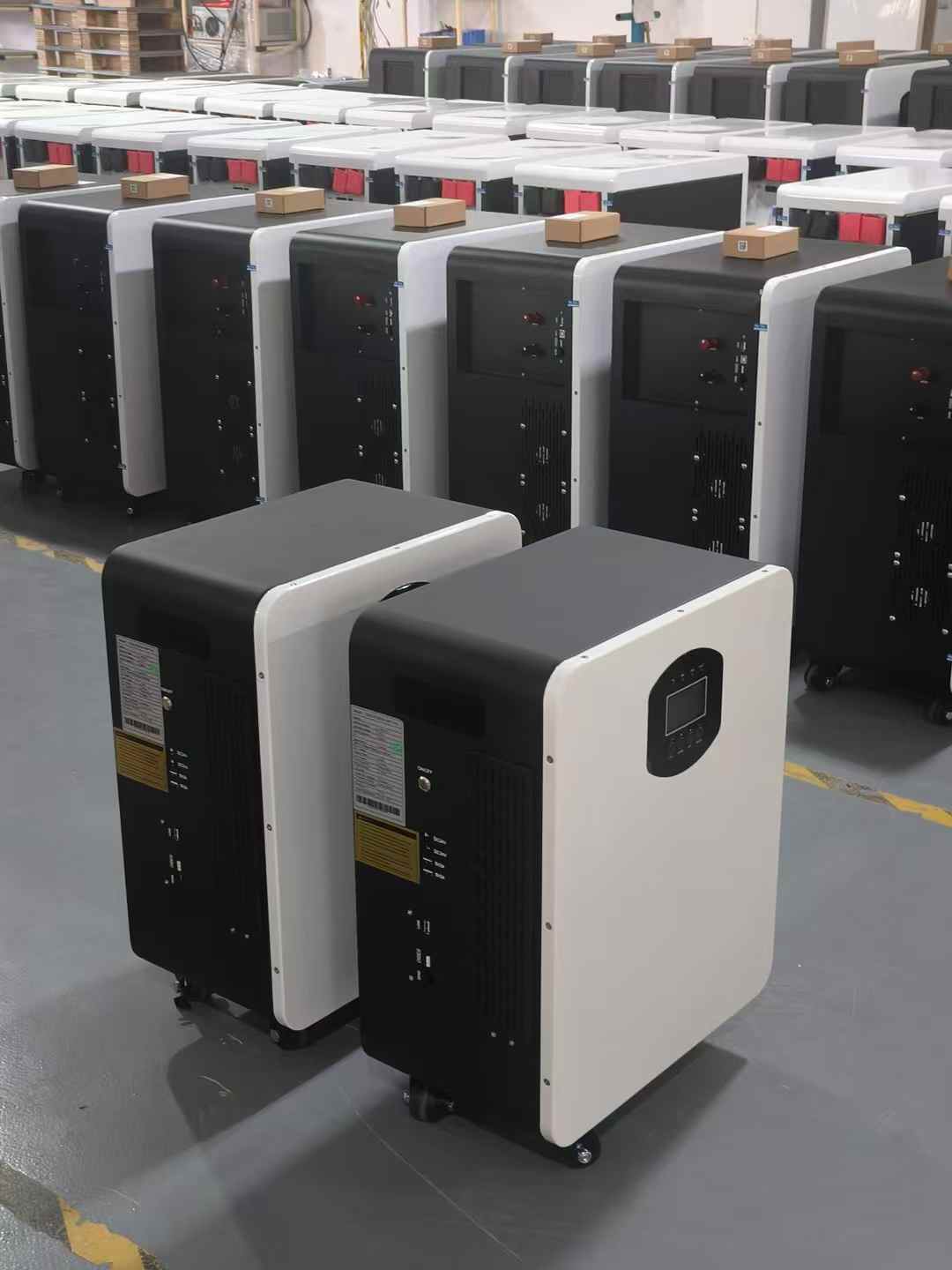
Energy Storage Lithium-ion Batteries have complicated chemical responses that turn the energy stored in chemicals into power. When these high-tech batteries charge and release, lithium particles move between the positive and negative terminals. This makes it beyond any doubt that vitality streams consistently for use in homes, businesses, and industrial facilities. For current vitality capacity needs, security and effectiveness are key. This innovation meets those measures since it's built from carefully planned parts like cathodes, anodes, electrolytes, and separators that work together to guarantee steady execution over thousands of cycles.
Understanding the Basics of Lithium-Ion Batteries in Energy Storage
Lithium-ion batteries are perfect for energy storage applications since they work on essential electrochemical standards. Understanding how these things work makes a difference when laborers select the right battery frameworks for their projects.
Core Components and Electrochemical Mechanics
Four basic pieces in the heart of each lithium-ion battery work together to store and successfully discharge energy. The negative anode, or anode, is commonly built of graphite or silicon-based materials. The positive terminal, or cathode, is commonly comprised of lithium metal oxides. Between these anodes are the electrolyte, which is a conductive liquid that allows lithium particles stream around openly, and the separator, which is a permeable layer that keeps the terminals from touching each other, while still letting particles pass through.
Electricity causes lithium ions to travel from the cathode to the anode while the energy storage lithium-ion battery is charging. The ions get stuck in the electrode's structure there. This procedure goes in reverse when it is expelled. Ions go back to the cathode, and electrons flow across the circuit on the outside. We can utilize this to get an electrical current. Lithium-ion technology is useful for energy storage because it can be employed in a way that lasts a long time: this process can be repeated thousands of times.
Popular Battery Chemistries for Energy Storage
For various energy storage uses, different lithium-ion chemistries have different benefits. These are the types that are used most in the industry:
- Lithium Iron Phosphate (LiFePO4) has a nominal voltage of 3.2V per cell and a cycle life of more than 4,000 cycles. It also has great safety features and can handle temperatures up to 270°C, which makes it ideal for fixed energy storage systems.
- Nickel Manganese Cobalt (NMC): It has a more balanced performance for power and energy uses and a higher energy density of 200–250 Wh/kg, making it good for grid-scale installations.
- Lithium Titanate (LTO): It can charge very quickly and has a long cycle life of more than 10,000 cycles, making it perfect for uses where charge-discharge cycles happen a lot.
These chemistry differences let system designers choose the best batteries based on how well they need to work, how safe they need to be, and where they will be used.
Comparing Lithium-Ion Batteries with Alternative Energy Storage Technologies
The vitality capacity showcase has a number of distinctive innovations that shift in how they influence execution, efficiency, and how well they work for diverse purposes. In common, lithium-ion batteries are way better than more seasoned sorts of batteries in most ways.
Performance and Efficiency Comparisons
Lithium-ion batteries have much higher energy efficiency levels than lead-acid batteries, at 150–250 Wh/kg and 30–50 Wh/kg, respectively. This density benefit means that fewer resources and space are needed to place it. Lithium systems usually have a round-trip efficiency of 90–95%, while lead-acid and flow batteries have efficiencies of 80–85% and 75–85%, respectively.
The number of cycles the energy storage lithium-ion battery can go through is another imperative advantage. Good lithium-ion systems can handle over 4,000 cycles at 80% profundity of discharge. In the same circumstance, lead-acid batteries as a rule last for 500 to 1,200 cycles, but nickel-metal hydride frameworks final for 1,000 to 2,000 cycles. The long life implies that the amount of possession is lower, indeed, in spite of the fact that the initial installment was bigger.
Cost-Effectiveness and Scalability Analysis
Even though lithium-ion batteries are more expensive up front, their better performance makes them a better choice for energy storage. Maintenance needs are still low compared to lead-acid systems that need to charge and check the electrolyte balance on a daily basis. Lithium systems work well in a bigger range of temperatures, from −20°C to 60°C. This lowers the need for heating and cooling systems.
In bigger setups, it's clear that scalability benefits lithium-ion systems because they need fewer strings in parallel and make battery maintenance easier. These reasons make commercial and industrial energy storage projects look like a good investment.
Maximizing Performance and Lifespan of Energy Storage Lithium-Ion Battery
Proper care and control have a big effect on how well a battery works and how long it lasts. Understanding these needs helps make sure that the system stays safe throughout its lifetime and that the investment pays off well.
Temperature Management and Environmental Controls
The temperature at which a lithium-ion battery is utilized influences its execution, security, and life. Lithium-ion batteries work best at temperatures between 15°C and 35°C. If the temperature is too high or as well moo, the battery's vitality and cycle life will be decreased. Tall temperatures make chemical responses happen more quickly, which makes things age more quickly. On the other hand, low temperatures moderate down the usable capacity and raise inner resistance.
Good thermal management systems keep a steady temperature by cooling or heating when necessary. As long as there is enough airflow, battery cells will not get hot spots and will have the same temperature all over. In addition to maximizing energy storage capacity and cycle life, these methods also protect against thermal runaway.
Battery Management Systems and Safety Features
Advanced Battery Management Systems (BMS) are smart technology that protects lithium-ion batteries and improves their performance. These days, BMS units keep an eye on the voltages, temperatures, and currents of each cell all the time. This stops overcharging, over-discharging, and heat events. The cell balance function makes sure that all cells charge evenly. This uses the full capacity of the system and stops cells from aging too early.
Safety features include several levels of defense and extra hardware and software. Overcurrent protection stops faults from causing damage, and voltage tracking keeps cells within safe ranges. Before things get too dangerous, temperature sensors start to protect the system so that it can work safely in any setting.
Procurement Guide: Buying and Implementing Lithium-Ion Battery Solutions
If you want to successfully buy lithium-ion energy storage systems, you need to carefully consider technical specs, what suppliers are able to do, and what kinds of long-term help the systems will need. This planned way of doing things makes sure that the system always works well and is worth a lot.
Key Selection Criteria and Specifications
Capacity ratings between 100Ah and 300Ah offer flexibility for different application scales when considering energy storage lithium-ion battery solutions. The voltage parameters for charging and discharging a cell are 3.65V and 2.5V, respectively. These values make sure the device works safely within the manufacturer's specs. Maximum values for continuous discharge current of 1C allow full use of capacity while keeping safety margins.
Long-term reliability appropriate for daily cycling uses is shown by cycle life specifications over 4,000 cycles at 80% depth of discharge. If the energy density number is 150 Wh/kg or higher, it means that the battery technology is modern, efficient, and optimized for stationary energy storage needs.
Supplier Evaluation and Certification Requirements
UN38.3 for transportation safety, IEC standards for electrical safety, and CE marking for compliance in the European market are all important certifications that trustworthy providers keep up to date. ISO 9001 and other battery-related quality ratings show that manufacturers can make the same things over and over and keep an eye on the quality of their work.
Having technical support available is very important for the smooth execution of projects, especially when they are international. Suppliers should give clear information on how to put the product together, help with commissioning, and provide quick after-sales service. OEM and ODM features make it possible to customize for specific needs while still being cheap for large orders.
Gaoshide Energy Storage Solutions
Gaoshide New Energy Technology Co., Ltd. is a leader in new ways to use lithium-ion energy storage. They provide full solutions for all kinds of industry and business needs. As solar power system integration and energy storage equipment development experts, we are a trusted partner for global procurement pros.
Product Portfolio and Technical Specifications
With a nominal voltage of 3.2V per cell, our energy storage lithium-ion battery systems have capacity choices ranging from 100Ah to 300Ah. These specs allow for different system needs while still keeping speed levels steady. The device can work at temperatures between −20°C and 60°C, making sure it will always work in a variety of settings.
Advanced safety features include exact control of the charge voltage at 3.65V and discharge cut-off security at 2.5V. The maximum constant discharge current of 1C keeps thermal stability while providing full power. For tough uses, the ability to pass 4,000 cycles at 80% depth of discharge means it will work reliably over the long term.
Our product uses include renewable energy systems, telecommunications infrastructure, data centers, electric vehicles, industrial equipment, and off-grid power solutions. This flexibility makes it possible to get all project needs from one source, and it makes sure that all system designs can work with it.
Technical Support and Customization Capabilities
Gaoshide offers a wide range of professional advice and support services to help with issues related to system control, equipment integration, and starting up new systems. Our engineering team works directly with clients to come up with the best solutions that meet their unique needs and take into account the conditions of their surroundings.
Customization features include changing the amount of capacity and power or making changes to the mechanical design to fit the needs of different installations. This level of control over the product supports private labeling and brand-building efforts while keeping the price low for customers who buy a lot.
Conclusion
With unrivaled performance, dependability, and flexibility for modern uses, lithium-ion batteries are the pinnacle of energy storage technology. Understanding their electrical principles, looking at other options, and using good management methods make sure they can be used successfully in a range of industries. These systems are great for integrating green energy, making the grid more stable, and having backup power because they have high energy density, long cycle life, and many safety features. Choosing the right suppliers carefully and working with technical support teams helps a lot with project success and long-term operational happiness.
FAQ
Q1: What is the typical lifespan of lithium-ion batteries in energy storage applications?
A: Quality lithium-ion batteries designed for energy storage typically deliver over 4,000 cycles at 80% depth of discharge, translating to 10-15 years of service life depending on usage patterns. Factors such as operating temperature, charge/discharge rates, and maintenance practices significantly influence actual lifespan.
Q2: How do lithium-ion batteries compare to lead-acid batteries for energy storage?
A: Lithium-ion batteries offer superior energy density (150+ Wh/kg vs 30-50 Wh/kg), longer cycle life (4,000+ vs 500-1,200 cycles), higher efficiency (90-95% vs 80-85%), and lower maintenance requirements. While initial costs are higher, the total cost of ownership typically favors lithium-ion for most applications.
Q3: What safety measures are essential for lithium-ion energy storage systems?
A: Essential safety measures include advanced Battery Management Systems (BMS) with cell-level monitoring, temperature control systems, overcurrent protection, proper ventilation, and compliance with international safety standards. Regular maintenance and monitoring ensure continued safe operation throughout the system lifecycle.
Partner with Gaoshide for Advanced Energy Storage Solutions
Gaoshide delivers cutting-edge energy storage lithium-ion battery systems engineered for reliability and performance across diverse applications. Our comprehensive product portfolio, technical expertise, and customization capabilities make us the preferred energy storage lithium-ion battery supplier for procurement professionals worldwide. We provide complete solutions from initial consultation through long-term support, ensuring successful project implementation and optimal operational performance. Ready to explore how our advanced battery technology can enhance your energy storage projects? Contact us at admin@gaoside.com for detailed specifications and customized quotations.
References
1. Zhang, J., et al. "Electrochemical Principles and Performance Optimization of Lithium-Ion Batteries for Grid-Scale Energy Storage." Journal of Power Sources, vol. 485, 2021.
2. Chen, L., and Smith, R. "Comparative Analysis of Battery Technologies for Stationary Energy Storage Applications." Energy Storage Materials, vol. 42, 2021.
3. Anderson, K., et al. "Safety Considerations and Best Practices for Lithium-Ion Battery Energy Storage Systems." IEEE Transactions on Industry Applications, vol. 57, no. 3, 2021.
4. Thompson, M., and Lee, S. "Thermal Management Strategies for Large-Scale Lithium-Ion Battery Energy Storage." Applied Energy, vol. 298, 2021.
5. Wilson, D., et al. "Economic Evaluation and Lifecycle Assessment of Lithium-Ion Battery Storage Systems." Renewable and Sustainable Energy Reviews, vol. 147, 2021.
6. Kumar, P., and Brown, A. "Advanced Battery Management Systems for Enhanced Safety and Performance in Energy Storage Applications." Energy Conversion and Management, vol. 244, 2021.