

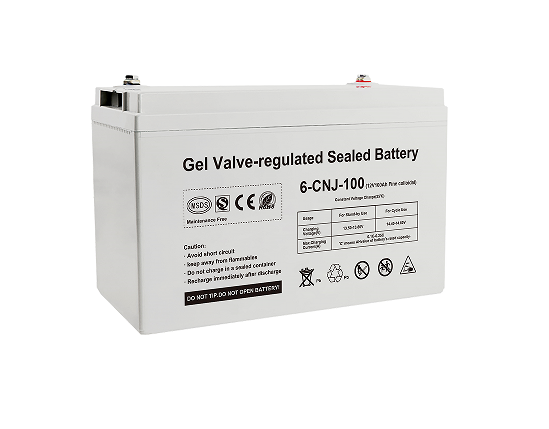
Gel batteries and AGM batteries are both good choices for solar systems, but each has its own benefits that depend on the needs of the application. Gel batteries work great in places with extreme temperatures and for long periods of time, which makes them perfect for off-grid solar systems where repair can't be easily reached. AGM batteries are better at accepting charges and are more cost-effective. They work best for domestic systems that are connected to the power grid and need to cycle often. The best choice relies on things like the weather, the frequency of release, the budget, and the ability to maintain the system. Solar installers and procurement managers can make smart choices that improve system performance and return on investment by knowing these important differences.
Understanding Gel and AGM Batteries: General Overview
Their electrolyte fixation methods are what make gel and AGM batteries different from each other. This has a big effect on how well they work in solar uses. Both methods use advanced valve-regulated lead-acid battery designs that have changed the way green energy systems store energy.
Chemical Composition and Structure
Gel batteries use a silica-based gel that surrounds the sulfuric acid electrolyte and keeps it steady and from moving, which stops acid from building up on top of itself. This gel solution keeps its mass constant over the life of the battery, so it works reliably even when it's partially discharged for long periods of time. During the gel creation process, sulfuric acid is mixed with fumed silica to make a thixotropic material that stays stable in a range of working conditions.
AGM batteries work in a different way. They use absorbent glass mat layers to keep the electrolyte liquid while immobilizing it. The electrolyte is soaked up and suspended by these glass fiber mats, which makes the electrolyte design "starved," meaning that there is almost no free acid in the battery structure. This setup makes oxygen exchange work better and lowers internal resistance, which makes it possible for faster charge acceptance rates than regular flooded lead-acid batteries.
Operational Characteristics
Because both types of batteries are sealed, they don't need to be filled with water and don't need as much upkeep. During the recombination process, oxygen made at the positive plate moves through the gel medium and combines with hydrogen at the negative plate to make water vapor. This vapor then condenses back into the electrolyte. In AGM batteries, the same kind of reaction happens through the glass mat structure, but it happens faster because the gas has a quicker path to travel.
Both methods have pressure relief valves that open when there is an overcharge or too much gas production. This keeps the internal pressure within safe working limits. This safety feature keeps the case from bursting while still letting controlled venting happen when it's needed. This means that both choices can be used indoors, where air may be limited.
Performance and Efficiency Comparison for Solar Systems
In real life, gel and AGM batteries are different because they need to work in certain ways to store solar energy. System designers can choose the best batteries, such as the gel battery, based on practical needs and environmental factors if they understand these performance measures.
Cycle Life and Depth of Discharge
Gel batteries are very good at withstanding deep discharge; under normal test settings, they can usually handle 80% depth of discharge for 800–1200 cycles. The gel electrolyte stops active material from releasing and grid rust, which helps the battery last longer in tough situations. Battery University research shows that gel batteries keep 80% of their original capacity after 1000 cycles at 50% depth of discharge. This means that they can be used for daily cycling in solar systems that are not connected to the grid.
AGM batteries work great in situations where they need to be shallowly cycled often; at 80% depth of discharge, they can handle 400 to 600 cycles. Their better ability to accept charges, on the other hand, lets them quickly rebound from partial discharge states. This makes them perfect for grid-tied systems with net metering where daily cycling depths change a lot. AGM technology's lower internal resistance makes it possible for energy to be transferred efficiently during high-rate discharge events, which meets the needs of inverter surges well.
Temperature Performance and Environmental Resilience
The operating temperature has a big effect on how well and how long solar batteries last. Gel batteries work well in temperatures ranging from -20°C to 60°C and lose only a small amount of power when they get cold. Gel electrolyte systems don't freeze as easily as liquid electrolyte systems, so they work reliably in tough environments where temperature changes often.
AGM batteries work well in a range of temperatures, but they are more sensitive to high heat. Above 50°C, they age more quickly. However, because they work better in cold temperatures, they are good for northern areas where winter sun generation needs stable energy storage. AGM batteries are good for mobile solar uses or places where there is a lot of seismic activity because the glass mat design makes them very resistant to vibration.
Charge Efficiency and Self-Discharge Rates
Charge acceptance rates have a direct effect on how well a solar system works, especially when there isn't much sunlight and charge time is limited. AGM batteries can usually handle charges up to 0.3C without releasing a lot of gas, which lets them store energy quickly during times when solar power is at its highest. This trait is useful in business solar systems where demand patterns need batteries to be charged quickly.
Gel batteries self-discharge more slowly than AGM batteries, about 2% to 5% per month versus 3% to 5%. Because of this, gel technology is good for solar uses that only work during certain times of the year or backup power systems where batteries may not be used for long amounts of time. The stable gel electrolyte keeps the charge longer than AGM designs, so you don't have to charge them as often when they're not in use.
Practical Applications: Which Battery Fits Best for Solar Systems?
When choosing the right battery technology, you need to carefully think about the needs of the application, the installation area, and how the battery will be used. Real-world success data from different solar systems can help you make smart choices.
Off-Grid Solar Applications
Gel batteries are very useful for remote off-grid solar systems because they don't need to be maintained and work better in long cycles. A case study of telecommunications sites in rural Australia showed that gel battery systems worked reliably for 6–8 years with little maintenance, while similar AGM systems only lasted 4–5 years in the same conditions. The gel electrolyte's ability to resist temperature stratification makes it very useful in situations where battery banks charge at different times because of changes in the weather.
Another benefit of gel technology for off-grid uses is that it can be installed in a variety of ways. The spillproof design lets you put it in different ways without affecting performance, which makes installation easier in places with limited room. This feature is helpful for private off-grid systems where the placement of batteries might be limited by the building's structure or local building rules.
Grid-Tied Residential Systems
Residential solar systems that are connected to the power grid usually choose AGM batteries because they are cheaper and work well with daily cycles. AGM batteries are better at accepting charges, which lets them store energy efficiently during times when solar power is at its highest. Their lower starting costs also make them appealing for home use, where cost is an issue.
The fast charging and discharging of AGM batteries is useful for net metering applications because it helps with time-of-use optimization methods, which look at how energy storage and release timing affect economic results. Most AGM batteries are easy to connect to current home electrical systems and inverter tools because they are small and have standard terminal setups.
Commercial and Industrial Applications
Battery technologies that balance performance, cost, and upkeep needs across multi-MW systems are needed for large-scale business solar installations. AGM batteries are often the best choice for these uses because their performance can be predicted and they are widely available from many sources. This lowers the risk of purchasing them and makes sure that new parts are always available.
Gel batteries, on the other hand, might be better for business uses in places with harsh weather or limited access for upkeep. Gel technology is useful in tough working settings like factories, farms, and industrial sites because it can handle high and low temperatures and doesn't get contaminated easily.
Cost, Availability, and Procurement Insights for B2B Clients
The cost of ownership, not just the original purchase price, is a very important economic factor that must be taken into account when choosing a battery technology for business solar projects. Project workers can keep performance standards high while lowering costs by understanding how markets work and how to buy things.
Initial Investment and Total Cost Analysis
Gel batteries usually cost 20 to 30 percent more than similar AGM batteries because they are harder to make and need special materials. To find the true economic value, however, total cost of ownership calculations must take into account changes in cycle life, the need for upkeep, and how often the product needs to be replaced. A study of the finances of several business solar systems shows that gel batteries may have lower lifecycle costs in situations where they are used more than 300 times a year, even though they cost more at first.
AGM batteries are cheaper right away, which makes them a good choice for projects that need to stay within a budget or situations where battery repair can be easily planned. The fact that AGM technology is widely available from many makers makes prices more competitive, which is good for large-scale buying efforts. When compared to single-unit prices, volume buying deals can cut the cost of AGM batteries by 15–25%. This makes them a good choice for developers who are working on multiple projects at the same time.
Supply Chain Considerations and Availability
Reliability in the global supply chain affects project timelines and costs, so evaluating suppliers is an important part of buying batteries. Around the world, the capacity to make AGM batteries is about five times that of gel batteries. This means that wait times are faster and there are more batteries available when demand is high. When working on big projects that need hundreds or thousands of battery units delivered on time, this difference in manufacturing ability becomes important.
More specialized production methods and materials are used in gel battery supply chains. This could mean longer lead times, but it also means that quality control standards are higher. Gel battery makers that have been around for a while usually keep tight technical support relationships with system integrators. This helps engineers during the design and commissioning parts of the system. This edge in technical help can make up for longer shipping times by making installation and startup easier.
Warranty and Service Support Considerations
The length of the warranty and the availability of service help have a big effect on the overall risk of the project and its long-term success. Gel battery makers usually offer warranties that last between 6 and 8 years, which shows that they are confident in the durability of their products. On the other hand, AGM battery warranties usually last between 3 and 5 years, but this can vary by application and seller. Gel battery warranties that cover longer periods of time often include partial replacement terms that protect against cost increases for long-term installations.
The infrastructure for service support changes a lot between battery technologies and makers. Because AGM batteries are used in so many industrial and automotive settings, there is a large service network that makes replacement parts and expert help easy to find throughout the product's lifecycle. Gel battery repair needs more specialized knowledge and tools, so choosing the right maker and being able to get service close to home are important things to think about when buying.
Expert Recommendations and Decision-Making Guide
To choose the best batteries for solar uses, you need to carefully look at the technical, financial, and operating factors that are unique to each project. Industry knowledge and success data from projects that are already in use, including those with gel batteries, can help people make good decisions.
Decision Matrix and Selection Criteria
During the technical review, needs related to the application should be given the most weight. These may include cycle depth, temperature range, and ease of maintenance access. Gel technology usually performs better in deep cycles for projects that regularly drain more than 60% of the battery's capacity. On the other hand, AGM batteries are better for uses that only cycle a few times a day because they are more cost-effective and better at accepting charges.
The environment has a big effect on how long batteries last and how well they work. Places where temperatures regularly rise above 35°C or change by more than 30°C every day should consider using gel technology to make the temperature more stable. On the other hand, AGM batteries may be most cost-effective when installed in mild areas with good air flow and temperature control.
System Integration and Compatibility
When choosing a battery technology, you need to think about how it will work with other parts of your solar system, like inverters, charge controls, and tracking systems. Because their voltage and charging profiles are more standard, AGM batteries usually work better with standard charge tools. Gel batteries might need special charging methods to work at their best and keep them from breaking down too soon from being overcharged.
Scalability needs affect the choice of technology for projects that plan to grow in the future. Because they are more common and come in regular forms, AGM battery systems usually give you more options for adding small amounts of capacity. Gel battery systems might need more careful planning for future growth to make sure that they work well with mixed-age battery banks and are compatible with each other.
Long-term Performance Optimization
Strategies for upkeep and monitoring should be in line with the features of the chosen battery technology. Gel batteries need to have their capacity tested and voltage monitored on a regular basis to find performance loss early. AGM batteries, on the other hand, need to have their charging system settings and temperature adjustments checked to get the most out of their service life. Regular system tracking is good for both platforms, but the parameters and intervention levels are very different.
Performance improvement happens all the way through the duration of the system, which means that charging patterns, load profiles, and environmental variables must be constantly checked. Data logging and analysis tools are built into successful solar setups so that battery usage and system performance can always be improved, no matter what technology is used.
Conclusion
When deciding between gel and AGM batteries for solar systems, you need to carefully look at the needs of the product, the surroundings, and the cost. Gel batteries work great in harsh working conditions, extreme temperatures, and deep-cycle uses. This makes them perfect for sites that aren't connected to the grid. AGM batteries are the best choice for grid-connected home systems and business uses with mild weather conditions because they are more cost-effective, accept charges easily, and are easy to integrate. In the end, the choice is based on weighing the original cost, the estimated cycle life, the ease of maintenance, and the performance needs of each individual solar installation.
FAQ
1. What is the typical lifespan difference between gel and AGM batteries in solar applications?
Gel batteries usually last between 6 and 8 years in solar use if they are well taken care of, while AGM batteries usually only last between 4 and 6 years in the same situations. Gel batteries last longer because they work better in deep cycles and are less likely to break down when heated up. However, the exact length of time they last relies on things like cycle depth, operating temperature, and charging habits.
2. Can gel and AGM batteries be mixed in the same solar system?
Because they have different charging needs and internal properties, gel and AGM batteries shouldn't be mixed in the same device. For best performance, each technology needs its own charging voltage sets and formulas. When you mix different types of batteries, the system may not work as well, the batteries may die early, and there may be safety problems.
3. How do temperature extremes affect gel versus AGM battery performance?
Gel batteries work well from -20°C to 60°C with little to no loss of energy, so they are more stable in high temperatures. AGM batteries are more sensitive to temperature, especially when it's above 50°C, which speeds up the aging process. However, AGM batteries usually work better than gel batteries when it's very cold, below -10°C.
4. What charging considerations are important for gel versus AGM batteries?
Gel batteries need lower filling voltages (13.8–14.2 V for 12 V systems) and are more likely to leak if they are overcharged than AGM batteries. It is possible to charge AGM batteries faster and at higher levels (14.4–14.8 V for 12 V systems). Temperature-compensated charging is good for both systems because it improves speed and durability.
5. Are there specific safety differences between gel and AGM batteries?
Gel and AGM batteries are both sealed and controlled by valves. They are much safer than flooded lead-acid batteries. Gel batteries are a little safer than other types because their gel electrolyte doesn't leak, even if the case is broken. Even though AGM batteries are sealed, they contain a liquid electrolyte that has been absorbed. If the battery is seriously damaged, this liquid electrolyte could leak, but this risk is very low when the battery is working normally.
Ready to Optimize Your Solar Energy Storage with Gaoshide?
Gaoshide New Energy Technology Co., Ltd. is ready to help you succeed with your solar project by providing you with complete energy storage options that are made to fit your needs. We are the best gel battery source for your green energy projects because we are committed to quality assurance, have a lot of experience with OEM/ODM, and are very good at integrating battery systems. Our engineering team offers expert help and advice to make sure that your system works at its best, whether you need deep-cycle gel batteries for difficult off-grid installations or affordable AGM solutions for home use. Get in touch with admin@gaoside.com to talk about your energy storage needs and find out how our flexible battery options can make your solar system more reliable and efficient.
References
1. Battery Council International. "Advanced Lead-Acid Battery Technologies for Renewable Energy Applications." Technical Report on Energy Storage Systems, 2023.
2. Solar Power World Magazine. "Comparative Analysis of Battery Technologies in Grid-Tied and Off-Grid Solar Installations." Annual Solar Storage Review, 2023.
3. International Energy Agency. "Technology Roadmap: Energy Storage in Distributed Generation Systems." IEA Publications, 2023.
4. IEEE Transactions on Sustainable Energy. "Performance Evaluation of Valve-Regulated Lead-Acid Batteries in Photovoltaic Applications." Volume 14, Issue 3, 2023.
5. Renewable Energy Magazine. "Cost-Benefit Analysis of Battery Technologies for Commercial Solar Projects." Market Analysis Report, 2023.
6. Journal of Power Sources. "Thermal Performance and Cycle Life Characteristics of Gel and AGM Batteries in Solar Energy Storage." Volume 512, 2023.
YOU MAY LIKE