

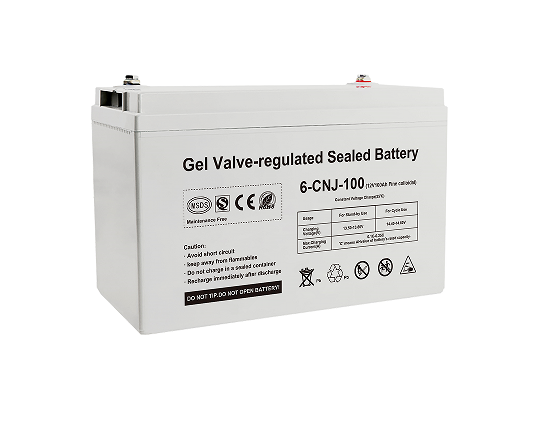
When choosing the right gel battery for solar backup systems, you need to think carefully about price, performance, and value over time. Gel batteries have special benefits because their silica-based electrolyte design lets them work without any upkeep and have great deep-cycle performance. The best way to find the cheapest choice is to weigh the initial cost against operating efficiency, warranty coverage, and the need for system compatibility. Knowing about these things helps buying teams make smart choices that lower costs right away and increase the value of solar systems over time, for both homes and businesses.
Understanding Gel Batteries and Their Role in Solar Backup Systems
Gel batteries use a special silica-based gel solution that changes liquid acid into a steady gel-like substance. They are a big step forward in energy storage technology. This new design solves many problems that solar system installers and energy storage workers have by making a sealed, maintenance-free option.
Deep Cycle Performance and Durability
Because they are made with gel electrolyte, these batteries can be repeatedly discharged to up to 80% of their capacity without losing much of their power. Because of this, they are especially useful for solar backup systems that need to keep delivering power even during long power blackouts. Gel batteries are different from standard flooded batteries because they can handle many charge-discharge cycles without losing their shape.
The sealed design stops acid stratification problems that happen with regular lead-acid batteries. This function makes sure that the battery works the same way for its whole life, which in normal circumstances is between 5 and 7 years. Since there is no free liquid electrolyte, the connections and other equipment around them don't corrode. This means that less upkeep is needed, which saves money.
Environmental Resilience and Safety Features
Because they work well in temperatures ranging from -20°C to 50°C, gel batteries are very resistant to changes in temperature. This stability in temperature is very helpful for solar systems in a wide range of conditions, from deserts with very hot weather to places in the north with harsh winters. The gel electrolyte keeps its qualities at these temperature ranges, so it works reliably no matter what the weather is like.
For both home and business use, gel batteries are especially appealing because they are safe. The sealed design keeps hydrogen gas from escaping during normal use, which lowers the risk of explosion and lets it be installed in tight areas without the need for special airflow. Also, the gel electrolyte won't leak even if the battery case breaks. This means that these units can be used indoors and moved around.
Key Factors Influencing Gel Battery Prices for Solar Backup
When buying, teams know how gel batteries are priced, they can better compare their choices and make smart investment decisions. Pricing is based on a number of linked factors, each of which adds to the overall value of the different gel battery options.
Capacity and Voltage Specifications
Battery capacity, which is measured in ampere-hours (Ah), is closely related to price and shows how much energy the unit can store. A battery with a higher capacity costs more, but in bigger setups, it's cheaper per kilowatt-hour. Voltage levels affect how the system is designed and how well it works with current inverter infrastructure.
Gel batteries are usually set up in 6V, 12V, or 24V setups, and their capacities range from 50 Ah to over 200 Ah for home use. Prices and capacities are related because of economies of scale. Units with more capacity usually offer better value per unit of saved energy. Designers of systems must, however, find a balance between the need for capacity and the weight and room limitations of the installation.
Charging Compatibility and System Integration
Charging method compatibility has a big effect on both how well the battery works and how much it costs in the long run. Gel batteries need to be charged in a certain way to get the most out of their life and keep them from failing early. Advanced Battery Management Systems (BMS) that keep an eye on charging settings raise the original cost but offer big benefits by making batteries last longer and work better.
Compatibility with inverters is another important cost factor. Gel battery charging methods are often built into modern hybrid inverters. This means that separate charge controls are not needed, and the system is simpler overall. This ability to integrate changes the initial cost of the equipment, but it makes installation easier and lowers the chance of compatibility problems.
Gel batteries usually lose some energy while they are being charged, with an efficiency range of 85% to 90% maximum. This performance is better than some other lead-acid technologies, but it is still less than some lithium technologies. Knowing about these aspects of efficiency helps system makers figure out how much energy is needed and how much it will cost.
Manufacturing Quality and Certification Requirements
Standards for manufacturing and foreign certifications have a big effect on how much gel batteries cost. Batteries that meet UL, CE, and IEC standards go through strict testing processes that raise the cost of production but make sure they are reliable and safe. When it comes to business installations and insurance, these licenses become very important.
During production, quality control steps affect both the initial cost and the dependability in the long run. High-end makers use advanced quality control methods, such as testing each cell individually and checking each batch. Even though these steps raise the starting cost, they lower the chance of breakdowns and warranty claims happening too soon.
Comparing Gel Batteries with Other Battery Types for Solar Use
To make smart buying choices, you need to know how gel batteries stack up against other energy storage methods. Each type of battery has its own pros and cons that affect the total cost of ownership and the needs.
Gel Batteries versus AGM Technology
Some things that Absorbed Glass Mat (AGM) batteries have in common with gel batteries are that they are protected and don't need any upkeep. Gel batteries, on the other hand, usually have better deep-cycle performance and last longer. AGM batteries usually cost 15-20% less at first, but they might need to be replaced sooner if they are used a lot.
The rate at which these technologies accept charges is different. AGM batteries accept charges more quickly, but they are more likely to overcharge. Because gel batteries are easier to charge, they can be used in situations where the charge control system isn't very complex. This flexibility means that less upkeep is needed and fewer things break down early because of charging mistakes.
The way AGM and gel technologies work at different temperatures is different. Both types of batteries are better at handling high and low temperatures than flooded batteries, but gel batteries keep their power better when it's cold. In places where the weather changes a lot from season to season, this trait is very useful.
Lithium Battery Cost-Benefit Analysis
Lithium Iron Phosphate (LiFePO₄) batteries are much more expensive up front, but they have better energy efficiency and repeat life than gel batteries. Depending on the size and maker, the price difference is usually between 200% and 300%. But lithium batteries can usually be charged and discharged 3,000 to 5,000 times, while gel batteries can only be charged and discharged 500 to 800 times.
When looking at lifetime costs, lithium batteries may be a better deal for high-use situations, even though they cost more at first. Gel batteries are still a good deal for backup power needs where cycling doesn't happen very often, since lithium technology's longer cycle life can't be fully utilized in these situations. Gel batteries are also easier to recycle and have a well-established system for getting rid of them.
Lithium batteries are better at charging than gel batteries (95%+ vs. 85–90% for gel). This difference becomes important in bigger setups where charging losses add up over time. But this efficiency benefit needs to be weighed against the fact that lithium systems need a lot more cash and have more complicated BMS standards.
How to Choose the Most Cost-Effective Gel Battery for Your Solar Backup System?
To choose the best gel battery option, you need to carefully look at the technical needs, the supplier's skills, and the overall cost. This way of making decisions should make sure that battery specs match up with real application needs while keeping costs as low as possible.
Defining System Requirements and Specifications
To choose the most cost-effective battery, you need to be able to accurately calculate its size. System builders have to think about how long the backup needs to last, how the key loads change, and how energy use changes with the seasons. Oversizing batteries adds costs that aren't necessary, while undersizing them lowers the stability of the system and could shorten battery life by letting it drain too many times.
The installation room limits the types of batteries that can be used and the costs that come with them. While modular battery banks are flexible, they may cost more per kilowatt-hour than a single big battery. On the other hand, standard battery sizes that take advantage of economies of scale in production help smaller setups. When installing on a roof or something higher, where structural changes might be needed, weight becomes a very important factor.
The type of environment at the installation spot affects the choice of battery and how long it is expected to last. Extreme temperatures, humidity levels, and the need for airflow all affect how well batteries work and how much they cost to install. Knowing about these external factors can help you find the best gel battery specs and avoid having to pay a lot of money to replace them too soon.
Supplier Evaluation and Quality Assurance
The name of a brand and its history of production can tell you a lot about its long-term dependability and help with availability. Manufacturers that have been around for a while usually offer better guarantee terms and more thorough technical help. These things have a big effect on the total cost of ownership. Looking at a company's past records, such as the number of warranty claims and customer happiness scores, can help you find dependable providers.
Gel battery makers offer very different warranties, running from 2 to 5 years for different product lines. Figuring out the real value of a product is easier when you know about its guarantee terms, such as prorated coverage periods and replacement processes. Full guarantees usually mean that the company that made the product is confident in its quality and protects you from having to pay a lot of money for a replacement.
Having the right technical help skills is very important during the installation and commissioning stages. Suppliers who give help with installation, fixing, and upkeep are worth more than the price of the product itself. This support is especially helpful for smaller operators who may not have a lot of experience with batteries.
Total Cost Optimization Strategies
Lifecycle economics must be carefully studied in order to find a balance between up-front prices and ongoing costs. Even though premium gel batteries cost more at first, they often end up being a better deal because they last longer and need less upkeep. A better way to compare things than just looking at the purchase price is to figure out the cost per cycle or cost per kilowatt-hour over the projected operational time.
When you buy batteries, it can have a big effect on how much they cost, since companies offer savings for buying in bulk and holiday sales. Planning when to buy batteries so that they fit in with project schedules and take advantage of good price points helps keep costs low. But the amount of space needed and the time it will last must be weighed against the money that could be saved.
Shipping and handling fees make up a big part of the total cost of batteries, especially for smaller sales. These costs can be cut by coordinating deliveries with project plans and grouping orders together when possible. Some sellers offer free shipping on orders over a certain amount, which makes buying in bulk more appealing.
Installation and Technical Considerations for Maximizing ROI
The efficiency and return on investment of gel batteries are greatly affected by how they are installed and maintained over time. Knowing these technical needs of the gel battery helps make sure the system works well and stops expensive mistakes before they happen.
Installation Best Practices and System Integration
The right way to wire something makes sure it works safely and extends the battery's life. For gel batteries, the lead connections must be tightened to a certain torque level to avoid damage from both weak connections and over-tightening. Voltage drops that hurt system performance and could damage battery parts can be avoided by using the right wire size and connection hardware.
Verifying the inverter's suitability stops charge and operation problems that hurt battery performance. These days, modern inverters often have more than one setting for battery chemistry, such as special profiles for gel batteries. Picking the right charging method will make sure that the battery lasts as long as possible and avoids both undercharging and overcharging, which lowers capacity and lifespan.
Because gel batteries are sealed, they have different ventilation needs than other types of batteries. Normal operation doesn't release many hydrogen gas molecules, and good air keeps heat from building up, which speeds up the aging process of batteries. When possible, installing batteries in temperature-controlled areas makes them last longer and keeps the guarantee valid.
Monitoring and Maintenance Protocols
Testing the power on a regular basis can help find problems before they become major ones. All of the units in a bank of gel batteries should have the same voltage level. Differences of more than 0.1V could mean there are problems. Setting up regular testing plans lets you do preventative maintenance and stops surprising failures during key times.
Capacity testing methods make sure that the battery works and help figure out when it needs to be replaced. Controlled discharge tests done once a year give standard data for tracking how batteries age. With this knowledge, planned changes can be made instead of emergency repairs, which saves money and keeps the system running as much as possible.
Keeping an eye on the temperature becomes very important for getting the most out of gel batteries in terms of performance and life. Operating temperatures above what the maker recommends speed up aging and reduce capacity, while temperatures that are too low briefly reduce capacity. Knowing about these weather effects helps you place batteries and set environmental controls more effectively.
Conclusion
When looking for cheap gel batteries for solar backup systems, you need to weigh the original cost against the battery's long-term performance and dependability. Understanding the things that affect prices, like the amount of space needed, the flexibility of charging methods, and the quality standards, helps people make smart decisions about what to buy. Gel batteries may not have the lowest initial prices or the highest energy density, but they are a great choice for backup power because they don't need to be maintained and have been shown to be reliable in all kinds of environments. To be successful, you need to accurately size the system, carefully choose the provider, and install it in a way that gets the best return on your investment and guarantees backup power for years to come.
FAQ
1. What makes gel batteries suitable for solar backup applications?
Gel batteries work great in solar backup systems because they don't need to be maintained and are protected. They also have great deep-cycle performance. The gel electrolyte stops acid buildup and keeps performance stable even after many charge-discharge cycles. Because they can work in a range of temperatures and have safety features, they can be installed indoors or outdoors without needing special cooling or regular upkeep.
2. How do gel battery prices compare to other solar battery options?
Gel batteries usually cost 15 to 20 percent more than AGM batteries at first, but they last longer in deep-cycle situations. Gel batteries are much cheaper up front than lithium batteries (often 60–70% less), but they can only be charged a few times before they need to be replaced. Cost-effectiveness depends on how the batteries are used. Gel batteries are more cost-effective for backup uses where they are only cycled occasionally.
3. What should I think about when figuring out how much power my gel battery needs?
Figure out the capacity based on the important load, the length of time you want the backup to last, and the system's efficiency. Think about how energy use changes with the seasons and add 20 to 25 percent extra in case demand goes up or down. Take into account the recommended maximum charging depth of 50 to 80% for gel batteries to get the most out of their performance and lives.
4. How long do gel batteries typically last in solar backup systems?
On average, gel batteries last between 5 and 7 years when used normally, and some high-end models can last up to 10 years. Actual life relies on how deeply the battery is discharged, how it is charged, the temperature at which it is used, and how well it is maintained. Shallow cycling and proper filling make batteries last a lot longer than deep discharge use.
Partner with Gaoshide for Premium Gel Battery Solutions
Gaoshide New Energy Technology specializes in customizing energy storage options to meet your specific needs for solar backup. Our wide range of gel batteries includes approved goods that have been shown to work well and come at reasonable prices. We offer full system integration support, from the initial design advice to installation help and ongoing expert support. Get in touch with our knowledgeable staff at admin@gaoside.com to talk about your unique project needs and find out how our gel battery solutions can help you get the most out of your energy storage investments by providing reliable performance and full guarantee coverage.
References
1. Solar Power World Magazine. "Energy Storage Battery Technology Comparison Guide." Solar Industry Publication, 2023.
2. National Renewable Energy Laboratory. "Battery Performance Analysis for Solar Applications." U.S. Department of Energy Technical Report, 2023.
3. International Electrotechnical Commission. "Secondary Cells and Batteries for Solar Photovoltaic Energy Systems." IEC Standard 61427-1, 2023.
4. Battery Council International. "Lead-Acid Battery Technology and Applications in Renewable Energy." Industry White Paper, 2023.
5. IEEE Power and Energy Society. "Best Practices for Battery Energy Storage System Integration." Technical Guidelines Publication, 2023.
6. Clean Energy Associates. "Global Solar Energy Storage Market Analysis and Cost Trends." Market Research Report, 2023.
YOU MAY LIKE