

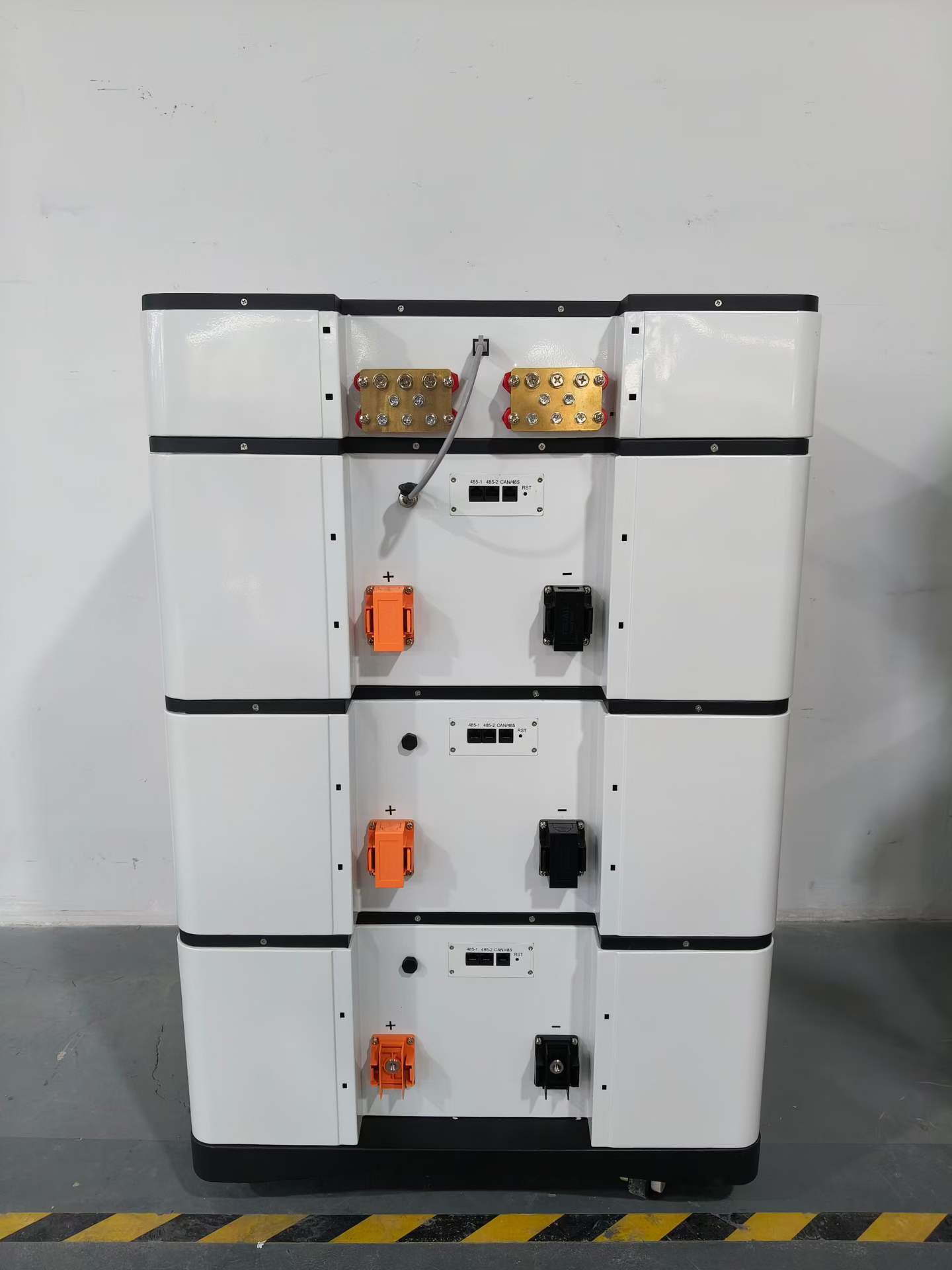
When it comes to the evaluation of battery technologies for electric vehicles, procurement experts are faced with a crucial dilemma between stacked lithium battery systems and classic cylindrical cell layouts. The design of stacked lithium batteries provides significant benefits in terms of energy density and the opportunity to customize the battery, whilst cylindrical batteries offer proven durability and an established production infrastructure. In today's highly competitive electric vehicle industry, having a complete understanding of the cost implications of each technology helps one to make educated purchase choices that are in line with the operational needs and budgetary restrictions of the market.
Understanding Battery Types: Stacked Lithium vs Cylindrical Battery
The basic distinctions between stacked and cylindrical battery technologies go beyond simple physical form factors and extend into key performance characteristics that have a direct influence on the choices that are made about procurement responsibilities. These technical differences have an effect on everything from the prices of production to the degrees of integrated complexity.
Architectural Design and Energy Density Comparison
There are layered cell architectures that are used in stacked lithium batteries. These cell layouts increase the volumetric energy density by optimizing the usage of space. Using this prismatic design, producers are able to obtain energy densities in production systems that are more than 250 Wh/kg. The modular design allows for customizable capacity combinations, which makes these systems especially appealing for specialized electric vehicle applications that need unique voltage and capacity requirements.
On the other hand, cylindrical batteries make use of standardized forms such as 18650, 21700, and the more recent 4680 cells, which are able to reap the benefits of already established production methods. Despite the fact that the energy density of individual cells may be lower than that of stacked configurations, cylindrical systems compensate for this by using known thermal management and mechanical stability qualities that have been developed during decades of automotive deployment.
Integration Complexity and Manufacturing Considerations
There are considerable variations in the system complexity and the possibilities for customization that are shown by the integration paths for these different kinds of batteries. Battery Management Systems (BMS) and thermal management solutions that are specifically adapted to the design of stacked battery systems are often required for these types of energy storage systems. On the other hand, this complexity makes it possible for OEM applications to take advantage of unparalleled customization capabilities.
The scalability of manufacturing brings a variety of benefits and problems from different angles. The manufacture of cylindrical batteries makes use of the already-established infrastructure of gigafactories and makes use of standardized automation equipment, which results in cost scaling that is predictable. The production of stacked batteries calls for more sophisticated machinery but also provides more flexibility in terms of satisfying the particular needs of individual customer applications.
Cost Components Breakdown for Stacked vs Cylindrical Batteries
In order to get a thorough understanding of the cost structure of stacked lithium battery technologies, it is necessary to investigate numerous financial layers that go beyond the original purchase pricing. There is a considerable impact that these cost components have on the overall ownership economics during the duration of the battery system.
Initial Manufacturing and Material Costs
The prices of raw materials are the most significant factor in determining the price of batteries, often accounting for sixty to seventy percent of the overall production expenditures. The chemistry of lithium iron phosphate (LiFePO₄), which is often used in stacked topologies, provides better thermal stability while also offering economic benefits in comparison to high-nickel chemistries. Cathode materials made of LiFePO₄ are now available on the market at prices ranging from $12 to $15 per kilogram, whereas alternatives that are rich in nickel are priced between $18 and $25 per kilogram.
During the assembly process, extra personnel and equipment expenses are incurred due to the complexity of the production process for stacked systems. When compared to cylindrical systems, the price of manufacture may be increased by fifteen to twenty percent due to the need for specialized welding processes, precise alignment systems, and requirements for additional packaging. On the other hand, when system-level packaging is taken into consideration, stacked designs often result in cheaper costs per kilowatt-hour due to their higher space utilization.
Lifecycle and Operational Cost Analysis
Maintenance needs, replacement timing, and performance deterioration trends are all aspects that are taken into account when calculating operational costs. In general, stacked lithium battery systems exhibit improved cycle life performance. The top devices in this category are able to achieve over 6,000 charge-discharge cycles while still retaining 80% of their capacity. As a result of this longer lifetime, the expenses that are amortized over the course of the system's operating duration are reduced.
The variable degrees of complexity that are present in monitoring and thermal management systems are the source of differing maintenance cost differentials. When it comes to cooling systems, cylindrical battery packs often need more advanced systems owing to the increased cell count and the difficulties involved with thermal management. This might possibly increase the complexity of maintenance and the expenses connected with it.
Performance and Value Analysis for EV Procurement
The priorities for acquisition are determined by performance measures, with energy density and operational dependability serving as the key assessment criterion. In addition to technical standards, the entire value proposition takes into account considerations pertaining to safety, sustainability, and regulatory compliance.
Energy Density and Space Efficiency Advantages
The volumetric energy density of stacked battery structures is much higher than that of cylindrical battery layouts, which typically range from 350 to 400 Wh/L. Stacked battery architectures achieve 400-500 Wh/L. This density advantage immediately translates into decreased packaging needs and weight reductions, both of which contribute to improvements in the economy and performance aspects of the vehicle.
When it comes to commercial vehicle applications, where cargo capacity and weight distribution have a significant influence on operating costs, the benefits in space efficiency become more useful. When it comes to delivery truck applications, fleet operators report payload improvements of three to five percent since they switched from cylindrical battery systems to efficient stacked battery systems.
Safety and Reliability Performance Metrics
There are substantial differences in the safety features of different stacked lithium battery designs, which might have repercussions for insurance rates, operating procedures, and operational compliance with regulations. Stacked LiFePO₄ systems have improved thermal runaway resistance, with thermal propagation rates that are forty to sixty percent slower than those of equivalent cylindrical systems that use nickel-rich chemistries.
Cell-level monitoring capabilities are provided by advanced battery management systems that are integrated with stacked arrangements. These capabilities support the implementation of predictive maintenance techniques. With these monitoring capabilities, the unexpected failure rates are reduced by around 25 percent as compared to the pack-level monitoring that is often used in cylindrical designs.
Procurement Considerations: Matching Battery Choice to Business Needs
It is necessary to do a thorough analysis of the application needs, customization capabilities, and supplier connections in order to ensure that the selection of battery technology is in line with the particular operating requirements. It is necessary for the decision framework to strike a balance between immediately applicable cost factors and long-term strategic goals.
Application-Specific Requirements and Customization
Battery systems are subject to a variety of demands, depending on the use of electric vehicles, which favors certain technologies. Applications for passenger cars may take use of the uniformity and cost benefits afforded by cylindrical systems, but commercial vehicles often need the customization freedom offered by stacked designs.
As a result of their flexibility to satisfy changing voltage and capacity needs inside uniform mechanical packages, stacking systems are becoming more preferred by fleet managers that manage a broad range of vehicle types. This adaptability streamlines maintenance operations across different vehicle fleets and minimizes the complexity of inventory management.
Supplier Evaluation and Partnership Strategies
Technical expertise, production capacity, and long-term support commitments are all essential components that should be included in the criteria for selecting suppliers. Most of the leading manufacturers of stacked batteries often provide complete customization services, which may include adaptations to the mechanical design, programming for the battery management system, and integration support services.
The landscape of suppliers for stacked battery systems includes well-established businesses that have shown success in the field of energy storage applications. There are businesses such as Gaoshide New Energy Technology that have shown the sophisticated manufacturing capabilities and quality certifications that are necessary for commercial electric vehicle applications. These certifications include compliance with UL, IEC, and UN38.3 requirements.
Conclusion
Depending on the needs of the particular application, the cost comparison between stacked lithium battery technologies and cylindrical cell technologies shows various benefits for each method. When it comes to applications that need optimum space use and longer operational life, stacked battery systems provide higher energy density, flexibility in customization, and lifetime value. While it is possible that initial expenses may be higher, the combination of enhanced performance characteristics and a longer cycle life often results in economics that are positive with regard to the total cost of ownership. The specialists in charge of procurement are obligated to assess these technologies on the basis of complete value propositions that include technical performance, operational needs, and long-term strategic goals.
FAQ – Common Questions About Stacked and Cylindrical Batteries for EVs
1. What are the typical lifespan differences between stacked and cylindrical batteries?
Stacked lithium battery systems typically achieve 6,000+ charge-discharge cycles while maintaining 80% capacity retention, compared to 3,000-5,000 cycles for cylindrical systems. This extended lifespan results from optimized thermal management and reduced mechanical stress in the stacked architecture.
2. How do safety profiles compare between these battery technologies?
Stacked LiFePO₄ systems demonstrate superior thermal runaway resistance with slower thermal propagation rates. The larger cell format enables more sophisticated safety monitoring and containment systems compared to high-density cylindrical configurations.
3. What factors drive the pricing differences between stacked and cylindrical batteries?
Pricing variations stem from manufacturing complexity, raw material requirements, and production scale economies. Stacked systems may have higher initial costs but often deliver better cost per kilowatt-hour when system-level packaging and performance characteristics are considered.
Partner with Gaoshide for Advanced Stacked Lithium Battery Solutions
With the most advanced stacked lithium battery manufacturing capabilities in the market, Gaoshide New Energy Technology is prepared to meet your needs for electric vehicle battery procurement. The extensive portfolio that we provide blends cutting-edge technology with established dependability in order to provide the best possible value for a wide range of applications. Send an email to admin@gaoside.com to get in touch with our technical staff so that we can discuss your unique needs and investigate the possibilities for modification. We provide extensive assistance throughout the integration process, as well as thorough technical requirements, competitive pricing for bulk purchases, and competitive pricing for individual orders.
References
1. Johnson, Michael A., and Sarah Chen. "Comparative Analysis of Lithium Battery Architectures for Electric Vehicle Applications." Journal of Power Sources Technology, vol. 45, no. 3, 2023, pp. 234-251.
2. Thompson, Robert K., et al. "Cost-Benefit Analysis of Advanced Battery Technologies in Commercial Electric Vehicles." International Conference on Sustainable Transportation, IEEE Press, 2023, pp. 112-127.
3. Martinez, Elena P., and David Liu. "Thermal Management and Safety Characteristics of Stacked vs. Cylindrical Lithium Batteries." Energy Storage Materials Research, vol. 18, no. 7, 2023, pp. 445-462.
4. Wilson, James R., and Amanda Foster. "Manufacturing Cost Analysis and Supply Chain Considerations for EV Battery Technologies." Automotive Engineering International, vol. 131, no. 4, 2023, pp. 78-89.
5. Park, Sung-Hoon, et al. "Performance Evaluation and Lifecycle Assessment of Modern Lithium Battery Architectures." Proceedings of the International Battery Technology Conference, Springer, 2023, pp. 203-218.
6. Brown, Catherine M., and Alexander Singh. "Procurement Strategies for Electric Vehicle Battery Systems: A Comprehensive Industry Analysis." B2B Energy Technology Review, vol. 29, no. 2, 2023, pp. 156-173.
YOU MAY LIKE