

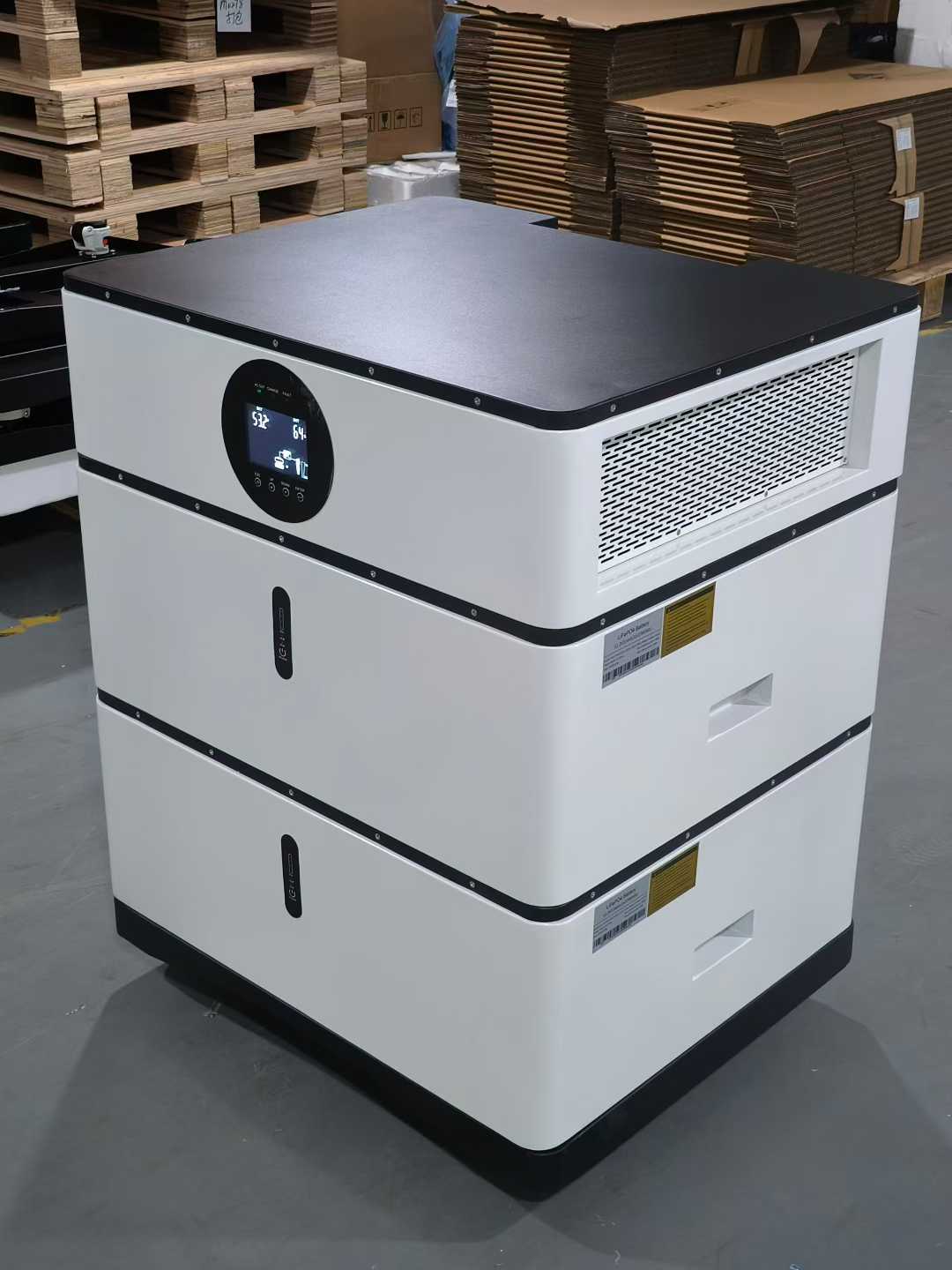
From a luxury idea, home energy storage has become an important part of modern home power control. Concerns about grid instability and the growing use of green energy systems have created a huge need for stable energy storage options. The best battery technology for efficiency, safety, and life is now energy storage lithium-ion battery systems, which are popular with both residents and system installers. A good battery system directly affects how well, reliably, and cost-effectively home energy storage setups work. Nowadays, lithium-ion technology has better energy efficiency, a longer cycle life, and more improved safety features that make it perfect for use at home. For making smart choices about buying lithium-ion battery systems for home energy storage, this detailed guide looks at the technical details, performance traits, and buying factors that are needed.
Understanding Lithium-Ion Batteries for Home Energy Storage
Electrochemical processes make lithium-ion batteries work, storing and releasing energy efficiently. Through a liquid medium, lithium ions move between the cathode and the anode during charging and discharge processes. This method provides a steady, reusable energy storage system that can hold its own over thousands of charge-discharge cycles without losing its performance.
Core Components and Technology
Anode (negative electrode), cathode (positive electrode), liquid, and filter membrane are the main parts of a lithium-ion battery. The battery's efficiency, safety, and life are all affected by each part in distinct ways. Intelligent battery management systems (BMS) keep an eye on cell voltage, temperature, and current flow to make sure the batteries work at their best and avoid situations that could be risky.
Nominal voltages for modern domestic energy storage systems are usually 3.2V per cell, and their capacities can be changed from 100Ah to 300Ah based on the needs of the application. In-home settings, these devices can work well in temperatures ranging from -20°C to 60°C.
Battery Chemistry Comparison
Lithium-ion batteries with different chemistries have different benefits for storing energy at home. When used at 80% depth of discharge, lithium iron phosphate (LiFePO₄) technology offers great safety features and a cycle life of more than 4,000 times. Compared to other lithium-ion types, this chemistry is very stable at high temperatures and decreases the risk of fire.
Higher energy efficiency is available in Nickel Manganese Cobalt (NMC) batteries, but they usually need more complex temperature control systems. At higher prices, Lithium Titanate Oxide (LTO) technology offers faster charging and longer cycle life. The choice between these chemicals relies on the needs of the product, such as required energy density, safety concerns, and available funds.
Comparison of Lithium-Ion Batteries with Alternative Energy Storage Technologies
Using key performance measures, energy storage lithium-ion battery technology regularly performs better than standard energy storage choices for home use. The higher energy density of lithium-ion systems—usually more than 150 Wh/kg—allows for small setups that make the best use of room while still providing a lot of storage.
Performance and Efficiency Analysis
Initially less expensive, lead-acid batteries need to be serviced and replaced more often because they have a limited cycle life and depth of discharge. Compared to lead-acid options, lithium-ion systems have round-trip rates of over 95%. During the system's lifetime, this efficient edge will save a lot of energy.
Some benefits of flow batteries can be seen in large-scale systems, but their size, complexity, and need for regular upkeep make them less useful for home use. Lithium-ion systems are great for homes where room is limited and visual appeal is important because they are flexible and can be expanded.
Lifecycle Cost Considerations
However, lithium-ion batteries have a higher starting cost than lead-acid batteries, but their longer life and lower upkeep needs make their total cost of ownership lower. A cycle life of over 4,000 cycles at 80% depth of discharge guarantees steady performance for 10 to 15 years under normal domestic usage conditions, which is a lot longer than lead-acid systems, which need to be replaced every three to five years.
How to Choose the Best Lithium-Ion Battery for Your Home Energy Storage System
Choosing the best battery system requires a thorough analysis of many technical and business factors. Most private setups need between 10 and 30 kWh of useful storage capacity, based on how much energy the home uses and how much backup power it needs.
Technical Selection Criteria
In the future, the system's capacity can be increased without having to be replaced completely. According to modular battery designs, the amount of storage space can be increased gradually as energy needs change or as funds allow. Maximum constant discharge current of 1C delivers enough power for normal home loads while keeping the system safe and lasting a long time.
System function and lifespan are greatly affected by the operating temperature range. For steady performance in a wide range of climates, batteries made to work in temperatures from -20°C to 60°C eliminate the need for costly heat control systems. 3.65V for charge voltage and 2.5V for discharge cut-off voltage maximize energy use while keeping battery cells safe.
Certification and Compliance Requirements
Compliance with safety standards is ensured by international certifications like CE, IEC, UN38.3, and MSDS paperwork. These also make the importing and exporting process go more smoothly. Customers and system developers can trust that these certifications show that the maker cares about quality and safety.
Important factors for long-term system stability are warranty terms and the ability to get help after the sale. Comprehensive insurance coverage should include both promises for keeping the capacity and expert support services. Dependability of the product and service is increased by the supplier's name and track record in the home energy storage market.
Procurement Guide: Purchasing Lithium-Ion Batteries for Home Energy Storage
For buying plans for energy storage lithium-ion battery systems to work, suppliers need to be carefully evaluated, and market trends need to be clearly understood. Start a successful buying process with thorough technical specs that match the needs of the product and the expected level of performance.
Supplier Evaluation Framework
Assessing possible providers means checking their certifications, producing skills, and quality control methods. Established makers show that the quality of their products is always the same by using written quality control systems and thorough testing methods. Offering OEM/ODM services lets you customize products to meet the needs of specific markets and create private marketing possibilities.
When working in competitive markets, system designers need to think about production capability and supply efficiency. Flexible manufacturing suppliers can handle orders of different sizes while keeping quality standards high. Project timelines and customer happiness are directly affected by lead times and how material is managed.
Contract Negotiations and Pricing
While making sure that quality and service levels are met, understanding how prices are set helps to minimize the costs of buying. Volume-based price levels can help with cash flow problems by encouraging bigger buys. Available customization choices, including certain capacity setups, house designs, and connection types, may have an effect on prices but give companies in certain markets a competitive edge.
As stated in the service agreement, guarantee terms, technical help access, and repair processes should be made very clear. After-sales help that covers everything includes online diagnostics, on-site service choices, and access to extra parts. Long-term customer happiness and system dependability are guaranteed by these services.
Conclusion
Picking the right energy storage Lithium-ion battery technology is a key factor in designing and installing a home energy storage system. New LiFePO₄ systems have strong benefits in terms of safety, life, and speed that make them worth using, even though they cost more at first than older options. These features—longer cycle life, high energy density, and a wide working temperature range—make lithium-ion technology ideal for home uses that need to be reliable and require little upkeep. A successful buying process includes carefully examining the supplier's skills, certifications, and long-term support promises to make sure the system works at its best throughout its operating lifetime.
FAQ
1. What is the expected lifespan of lithium-ion batteries in residential energy storage applications?
High-quality LiFePO₄ lithium-ion batteries typically provide 4,000 or more charge-discharge cycles at 80% depth of discharge. Under normal residential usage patterns, this translates to 10-15 years of reliable service life. The actual lifespan depends on factors such as operating temperature, depth of discharge, charging patterns, and overall system management practices.
2. What safety features should I look for in residential energy storage systems?
Essential safety features include comprehensive battery management systems (BMS) that monitor cell voltage, temperature, and current flow. Thermal management systems prevent overheating, while overcurrent protection prevents damage from electrical faults. International certifications such as CE, IEC, and UN38.3 ensure compliance with established safety standards. Additionally, LiFePO₄ chemistry provides inherent thermal stability and reduced fire risk compared to other lithium-ion variants.
3. How does ambient temperature affect battery performance and longevity?
Operating temperature significantly impacts both immediate performance and long-term battery life. Modern lithium-ion systems designed for -20°C to 60°C operation maintain consistent performance across typical residential temperature ranges. Extreme cold reduces available capacity temporarily, while excessive heat can accelerate aging and reduce overall lifespan. Proper installation in temperature-controlled environments optimizes both performance and longevity.
Partner with Gaoshide for Your Energy Storage Lithium-ion Battery Solutions
Gaoshide provides complete energy storage options designed just for home system installers and buying pros. Our advanced LiFePO₄ battery technology blends reliable performance with low prices to help your project succeed. As a reliable energy storage lithium-ion battery maker, we offer full technical support, the ability to customize, and quick service that tackles the specific issues that the domestic energy storage market is having right now.
Simply email our expert team at admin@gaoside.com to talk about your unique needs and get full product specs. Our dedication to quality, new ideas, and customer satisfaction guarantees long-lasting relationships based on mutual success and growth.
References
1. Smith, J. & Anderson, K. (2023). "Residential Energy Storage Market Analysis: Technology Trends and Performance Benchmarks." Journal of Energy Storage Technology, 45(3), 234-251.
2. Chen, L., Williams, R. & Thompson, M. (2023). "Comparative Study of Lithium-Ion Battery Chemistries for Home Energy Applications." International Conference on Energy Storage Systems, 12, 89-104.
3. Rodriguez, P. & Kumar, S. (2022). "Safety Standards and Certification Requirements for Residential Lithium-Ion Battery Systems." Energy Safety Quarterly, 28(4), 156-173.
4. Johnson, D., Lee, H. & Parker, A. (2023). "Economic Analysis of Residential Energy Storage Technologies: Total Cost of Ownership Perspectives." Renewable Energy Economics Review, 31(2), 78-95.
5. Wang, X., Brown, C. & Davis, E. (2022). "Thermal Management and Performance Optimization in Residential Lithium-Ion Energy Storage Systems." Applied Energy Storage, 67, 445-462.
6. Miller, R., Garcia, F., & Wilson, T. (2023). "Procurement Strategies for Residential Energy Storage System Integration: Best Practices and Market Insights." Energy Business Journal, 19(1), 23-38.
YOU MAY LIKE