

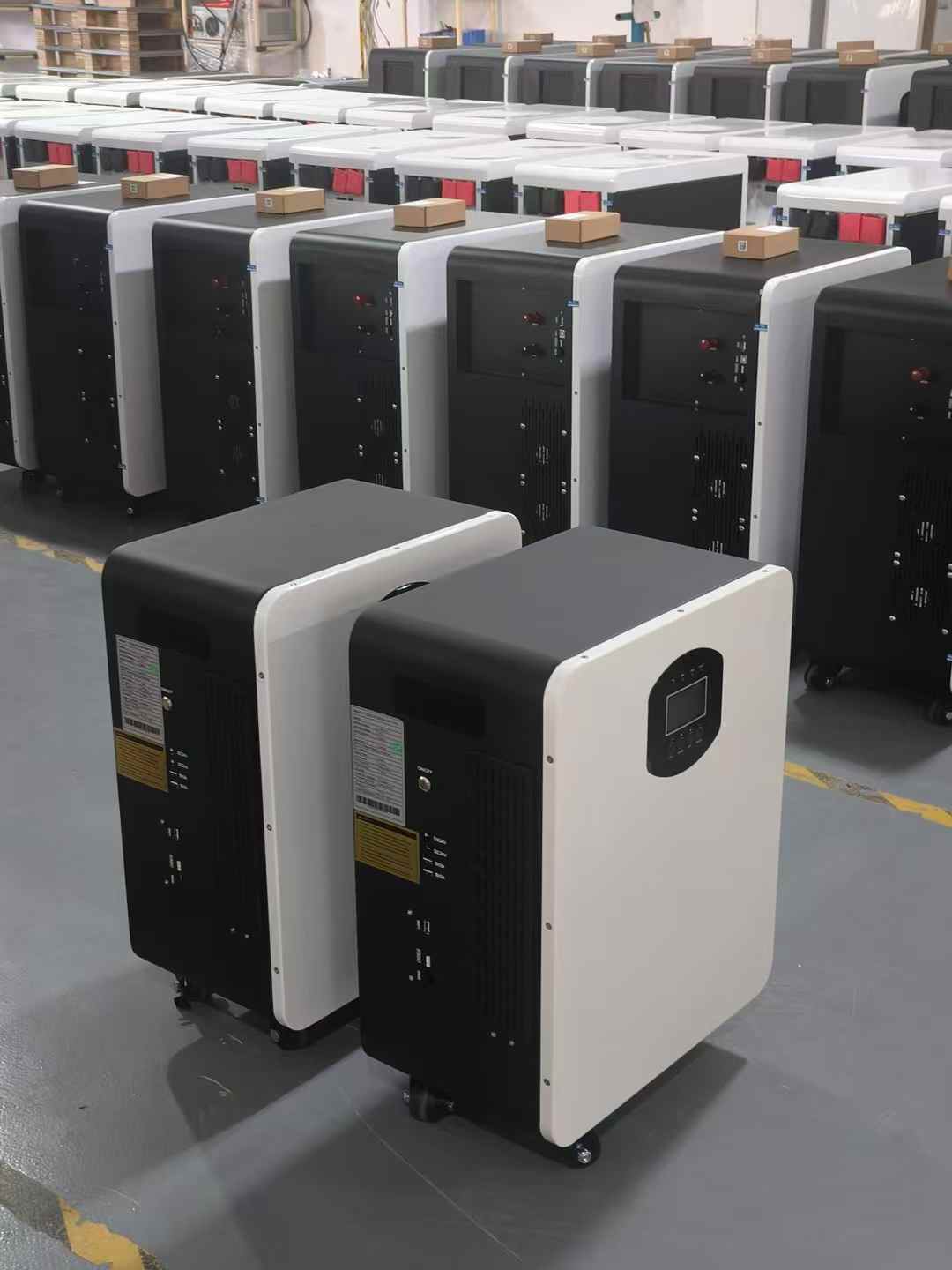
These days, LiFePO₄ battery (LFP battery) technology has made handheld and power tools safer, last longer, and work better than ever. This type of lithium iron phosphate battery stays safe at high temperatures and lasts a long time, which makes it ideal for heavy-duty commercial uses. Because they are chemically strong and release quickly, they are safe to use as power sources for tools, medical equipment, and communication gear. There are important buying concerns that LFP technology addresses, and its built-in safety features and environmental benefits make it a great choice for companies looking for stable energy storage options.
Understanding LiFePO₄ Batteries and Their Core Advantages
The cathode in lithium iron phosphate batteries is made in a way that makes them very different from other lithium-ion systems. LFP batteries don't use cobalt or nickel as their base. Instead, they use iron phosphate. The chemical structure is less likely to break down or get too hot because of this.
Enhanced Thermal Stability and Safety Profile
The core of LiFePO₄ batteries is made of phosphate, which is very stable at both high and low temperatures. Temperatures between -20°C and +75°C are safe for it to work in. This safety measure makes the workplace safer and less likely to catch fire. This is especially important for power tools used in harsh circumstances. You don't have to worry about these batteries releasing acid or dangerous gases because they are safe by nature. They are good for delicate tasks and small offices because of this.
Because of how the molecules are structured, lithium iron phosphate forms a strong grid that stays put even when it's under a lot of stress. LFP batteries don't fail in the terrible ways that other lithium-ion chemistries do when they are broken, overcharged, or short-circuited because they are secure. This bigger safety gap is good for factory and building sites because it lowers the risk of lawsuits and insurance costs.
Extended Cycle Life and Economic Benefits
It's much better with LiFePO₄ batteries because they can be charged and drained over 3,000 to 5,000 times before they lose 80% of their power. Most lithium-ion batteries can be charged and drained 500 to 1,000 times. Lead-acid batteries, on the other hand, can only be charged and discharged 300 to 500 times. Even though it costs more at first, this longer life span saves a lot of money in the long run.
When you add up how much the battery costs over its entire life, you can see how it saves money. When LFP batteries are used, a building company that usually changes battery packs every two years could go eight or ten years without having to. It is more cost-effective to use LFP because it needs less maintenance, repairs happen less often, and output goes up because power delivery is more stable.
Superior Discharge Efficiency and Performance Characteristics
LiFePO₄ batteries provide steady power that makes tools work better by maintaining a fixed voltage output during their charging cycle. It saves 10% more energy and money than lead-acid batteries because it charges 90% faster. This extra efficiency boost is especially helpful in cases with a lot of use, since charging often lowers output and uses more energy.
Applications of LiFePO₄ Batteries in Power Tools and Portable Devices
There are many business and industry settings where lithium iron phosphate technology, specifically the LiFePO₄ Battery (LFP Battery), can be useful. Each one gets something special from the LFP chemistry. These batteries are very versatile because they can power a lot of different things, from heavy-duty medical equipment to lightweight building tools.
Professional Cordless Power Tools
Businesses that build things and make things are using LFP-powered electric tools more and more because they work well and last a long time. Professional-grade drills, circular saws, and impact tools can run on lithium iron phosphate batteries for a long time without the voltage dropping that happens with other types of batteries. When tools are in use, the constant discharge slope makes sure they stay at full speed and power. This makes more work get done, and better work gets done.
Lawn and maintenance tools are much more useful when they have LFP batteries in them. Chainsaws, leaf blowers, and hedge trimmers that don't need a cord are powered by lithium iron phosphate batteries. Because these batteries are sealed, they don't give off any smog and let the tools run for longer. The lightweight of LFP batteries keeps workers from getting tired while still giving them the power they need for tough jobs outside.
Industrial Instrumentation and Measurement Devices
Tools for measuring things accurately need stable power sources to keep working well. In measuring tools, electrical test instruments, and calibration tools where power changes could throw off readings, LiFePO₄ batteries work great. The low self-discharge rate and steady voltage output make sure that important numbers stay right even after being used in the field for a long time.
Portable devices that are driven by LFP are used to keep an eye on the process and make sure that standards are being met in quality control systems that are made. Batteries need to be able to regularly work in factories so that they can power computer parts that are sensitive to power. Batteries made of lithium iron phosphate work well on the factory floor because they don't break when they get hot or shake.
Medical and Healthcare Portable Equipment
Because safety and reliability are so important in healthcare, LiFePO₄ batteries work especially well in portable medical devices. LFP technology is useful for emergency response tools, patient tracking systems, and portable testing tools because it provides a steady power source and a longer working life. Because it has safety measures, you don't have to worry about the battery dying when you need it most.
Portable oxygen concentrators and mobility aids are powered by lithium iron phosphate batteries, which makes them stable for people who need medical help all the time. The lightweight and long run time of the device make it easy to use and require less maintenance. Medical devices need to have these qualities because they directly affect how well people do and how well the technology works.
Communication and Emergency Response Equipment
Rescue teams in emergencies rely on communication tools that are driven by LFP and need to be able to keep working even when things are tough. To make things like two-way radios, satellite phones, and emergency lighting systems work well, lithium iron phosphate batteries are strong. Because it can work in a lot of different temperatures, it will be useful in many emergency cases where regular batteries might not.
Professional radio systems in industrial places use LFP batteries to stay linked even when things get tough. Platforms in the ocean, mines, and country construction sites all need communication equipment that can keep working even when it's subject to high temperatures, vibrations, and other rough conditions. With its long life and safety features, lithium iron phosphate technology is a good fit for these tough needs.
Comparing LiFePO₄ Batteries with Other Battery Technologies for Procurement Decisions
To make smart decisions, you should compare all battery types to find the ones that give you the best performance, cost, and use of resources. You can make smart decisions that fit your needs and your budget if you know the pros and cons of different types of batteries.
LiFePO₄ versus Lead-Acid Battery Performance
Normal lead-acid batteries are not as good as lithium iron phosphate batteries in many ways. When you first buy something with lead-acid technology, it costs less, but it doesn't last as long and has worse performance. Lead-acid batteries are heavier than other types of cells. This can be a problem when the location is movable, and workers are tired or can't move around easily, which can slow down work.
How it charges is another great thing about LFP technology. Lead-acid batteries need to be charged for a long time, and remember that they lose some of their power over time. LiFePO₄ batteries never lose their full power, even after being partly drained. They can be charged quickly without losing any of their power. Because of this, activities run more easily and machines break down less often.
They are also different because they need to be maintained. Lead-acid batteries need to be repaired regularly. This means checking the level of the liquid, cleaning the contacts, and charging the batteries to the same level. There is no need to manage LiFePO₄ batteries, which saves money and time because the cells are always ready to use. LFP batteries don't leak or rust because they are protected. This makes gadgets last longer and saves money on repair costs.
Comparison with Alternative Lithium-Ion Chemistries
But they are not as safe and don't last as long as LiFePO₄ batteries. Nickel manganese cobalt (NMC) and nickel cobalt aluminum (NCA) lithium-ion batteries have more power per unit weight. Even though these chemicals make battery packs smaller, they need more modern battery control systems to keep them safe and make sure they don't get too hot. When you think about how long LFP batteries last, the fact that they use less energy becomes less important.
Even though NMC and NCA batteries may be cheaper at first, LiFePO₄ technology is better in terms of how much it costs to own them over time. Long-term, LFP batteries save money since they last longer and don't need as much safety gear. This makes up for the fact that they cost more at first. There is a stable supply chain in the iron-based goods market, which makes prices more reliable than in the cobalt and nickel markets.
Environmental and Sustainability Considerations
Environmental rules are having a bigger effect on what people buy, so battery solutions that last a long time are very important. The risks in the supply chain are also lower with LiFePO₄ batteries because they don't use heavy metals that are bad for the environment. Instead, they use easy-to-find materials like iron. Because LFP batteries can be recovered, they help make the economy more circular and follow new rules about the climate.
The study on the carbon effect backs up lithium iron phosphate technology, LiFePO₄ Battery (LFP Battery), since it lasts longer and needs to be changed less often. At first, they use more energy to make than lead-acid options, but this cost is spread out over a longer time, which is better for the environment. This green edge is becoming more important as businesses try to meet their carbon reduction goals and environmental standards.
Optimal Maintenance and Safety Practices for LiFePO₄ Batteries in B2B Use
LiFePO₄ batteries will work best and last as long as possible if you follow the right upkeep steps. This will also keep the workplace safe and in line with the rules. These steps protect the large investment in LFP technology, make operations more efficient, and lower the total cost of ownership.
Charging Best Practices and Equipment Requirements
There is a big difference between how you charge a LiFePO₄ battery and how well it works and how long it lasts. Good battery management systems watch each cell's voltage and temperature to make sure it doesn't get too charged and that all the cells charge at the same speed. Based on the weather and the battery's level of charge, these systems change the charging settings on their own. This keeps the battery safe and makes it last longer.
To keep charging conditions at their best, charging stations should have features that track temperature and move air around. LiFePO₄ batteries don't make as much heat as other types, but keeping the heat under control is important for safety and makes the batteries last longer. In controlled environments, charging stations with built-in safety features keep both people and batteries safe.
When you charge batteries at work, it should be clear how to handle and store them. Places set aside for charging that have the right fire safety systems and emergency plans make sure that operations are safe and that safety rules are followed. People are taught how to use LFP technology correctly and what to do in different situations through training camps.
Storage and Handling Guidelines
When it comes to long-term storage, LiFePO₄ batteries are very different from other types of batteries. It takes longer for LFP batteries to fully charge than other types, but they work best when they are kept correctly before being used again. Keeping batteries in places that are kept at a steady 10°C to 25°C keeps their strength and prevents them from breaking down when the temperature changes.
You can keep the batteries from going into deep drain, which could damage the cells, by charging them regularly while they are kept. When batteries are stored automatically, they can be checked for damage and charged as needed to make sure they are always ready to be used. This automatic method keeps the batteries in great shape while cutting down on the work that needs to be done.
Because LiFePO₄ batteries are different, the way they are treated should take that into account. Lithium-ion batteries are usually safer than other kinds, but they can be broken in ways that could make them less safe or less useful if they are not treated properly. Impact-resistant shipping and storing cases keep batteries safe from damage and make it easy to find and keep track of supplies.
Performance Monitoring and Diagnostic Procedures
When you regularly check on performance, you can find problems before they get in the way of activities or safety. You can see voltage, current, temperature, and state of charge in real time with battery management tools. This helps you decide when to fix something or do preventative maintenance. This information helps find batteries that are almost dead and makes charging better.
Specific rules for checking capacity make sure that batteries always work at a certain level, no matter how long they are used. Batteries that are worn out should be taken out of service so that the fleet stays reliable and doesn't break down at the worst possible time. Keeping track of test results can help with insurance claims and repair plans.
It is easy to fix speed problems quickly with LiFePO₄ technology because it has its own set of steps for doing so. Problems that can only be fixed by trained professionals can show up as shorter run times, slow charges, or strange changes in temperature. If you follow the right steps for fixing, you can cut down on downtime and make sure that battery problems are solved safely.
Procurement Insights—Sourcing LiFePO₄ Batteries for Power Tools and Portable Devices
When you want to buy lithium iron phosphate batteries LiFePO₄ Battery (LFP Battery) strategically, you need to look at all of the suppliers, methods, and market situations. When procurement programs work well, they find a balance between starting costs and long-term success. They also make sure that suppliers are trustworthy and meet practical needs.
Supplier Evaluation and Certification Requirements
The first thing that should be done to judge quality is to look at the manufacturing permits and safety guidelines. LiFePO₄ battery makers with a good reputation keep forms and documents like CE, IEC, UN38.3, and MSDS that show their products are safe and follow the rules. These permits make sure that batteries meet international shipping and safety standards for international trade. They also protect buyers legally.
When you look at suppliers' quality processes, you can see what they can do and how stable they are. When a company has ISO 9001 certification, it means that its quality management systems are well-established. When a company has ISO 14001 certification, it shows that it cares about environmental management. Quality standards are kept consistent by site checks or reviews by a third party. Providers must also have enough production capacity to meet ongoing needs.
The study of technical skills finds out how much the service provider knows about battery management systems, unique setups, and solutions that are made to fit specific needs. Suppliers who have worked with hand-held and power tools before know how to meet specific needs and give customers the best items. You can make changes and fix problems with engineering help, which adds value above and beyond just giving you the product.
Cost Analysis and Pricing Strategies
A good way to compare different items and service companies is to look at their total cost of ownership. Things like cycle life, warranty terms, and support services all have an impact on long-term costs, even though the price paid at the start is still significant. The total cost of ownership is cheaper for suppliers who offer longer warranties and more comprehensive support. This may allow them to charge higher starting prices.
Volume prices can cut costs per unit by a lot for big projects that need to buy a lot of things. Setting up a framework to deal with certain sellers keeps prices fixed and makes sure that things keep coming in. Most of the time, these contracts include guarantees of yearly output. When supplies are low, this lets sellers offer better prices and faster service.
Finding out about market trends helps people choose when to make big purchases and work out deals. How much things cost and how easy they are to get depend on the prices of raw materials like lithium and iron phosphate. You can plan when to buy things and what the terms of your contracts should be to protect yourself from price changes if you know these market trends.
Supply Chain Risk Management
The risks that come with depending on a single source are smaller when the supply line is spread out. When you work with several good providers, you have choices in case one of them goes out of business. This helps make service and prices fair. Even less likely are problems or trade restrictions happening in different parts of the world when there are a lot of different landscapes.
In inventory management methods, there is a balance between the cost of keeping items and the safety of the supply chain. Strategic stocking levels keep you from running out of things and keep you from having to pay a lot of money to keep them in stock. You can keep things going smoothly and spend less on inventory if you use just-in-time shipping systems and trusted providers.
Quality verification programs make sure that the batteries that come in are of good quality and are all the same. Before batteries are used, they are checked for quality problems by processes that come in. There will be no more operational troubles or safety threats. Tracking the statistical quality of sources helps us keep getting better by showing us patterns in how well they do their jobs.
Conclusion
Power tools and handheld electronics have come a long way thanks to LiFePO₄ battery (LFP battery) technology. There's no better way to get safety, endurance, and speed. Because they don't lose power when they get too hot or too cold, lithium iron phosphate batteries are good for business because they meet important operating needs and save money. Businesses can save money on maintenance, get more done, and make the workplace safer by using LFP technology. Making things that are good for the environment and last a long time helps businesses meet their environmental goals while also following the rules. Buying good LiFePO₄ batteries from trusted sellers in a planned way gives you an edge over your competitors by making sure they work well and lowering the overall cost of ownership.
FAQ
1. How do LiFePO₄ batteries improve power tool efficiency?
When it comes to power tools, LiFePO₄ batteries work better because they provide steady energy and drain more slowly. The steady power flow keeps the tool running at full speed while it's being charged. It's not like regular batteries, whose energy drops and power goes down as they lose it. The 90% charging speed saves money and energy and makes the battery last longer, so it can be used more effectively.
2. What environmental benefits do lithium iron phosphate batteries provide?
It's great for the environment that lithium iron phosphate batteries are made from common, reused materials and don't use strong metals that are bad for the environment. The item doesn't need to be changed as often, which is better for the world because it lasts longer. LFP batteries are safe and meet RoHS standards. They also support the idea of a green economy by having programs for recycling and reusing materials.
3. How can procurement professionals verify LiFePO₄ battery quality and safety?
You need to look at all of the manufacturer's paperwork, like CE, IEC, UN38.3, and MSDS certificates, to make sure the quality is good. Other ways to make sure that manufacturing quality systems and products are stable are through site checks and reports from third parties that have tested them. The guarantee and ways to get technical help show that the company that made the item believes in it and wants it to last a long time.
Partner with Gaoshide for Premium LiFePO4 Battery Solutions
Gaoshide New Energy Technology Co., Ltd. delivers cutting-edge LiFePO4 Battery (LFP Battery) solutions specifically engineered for power tools and portable devices. Our comprehensive portfolio includes customizable battery configurations, advanced battery management systems, and complete integration support for diverse applications. As a trusted manufacturer, we provide certified products meeting international safety standards while offering competitive pricing and reliable delivery schedules. Our technical team collaborates closely with procurement professionals to optimize battery specifications, ensuring perfect compatibility with existing equipment and operational requirements. Contact admin@gaoside.com to discuss your specific LiFePO4 battery requirements and discover how our innovative energy storage solutions can enhance your operational efficiency and competitive advantage.
References
1. Battery Industry Research Institute. "Lithium Iron Phosphate Battery Performance Analysis in Industrial Applications." Journal of Energy Storage Technology, Vol. 15, 2023.
2. International Power Tool Association. "Comparative Study of Battery Technologies for Professional Cordless Tools." Industrial Equipment Review, Issue 3, 2023.
3. Chen, L. et al. "Safety and Performance Characteristics of LiFePO4 Batteries in Portable Electronic Devices." Advanced Battery Technology Quarterly, Vol. 8, 2023.
4. European Battery Safety Consortium. "Thermal Stability Analysis of Lithium Iron Phosphate Battery Systems." Energy Safety Journal, No. 12, 2023.
5. Miller, R. and Thompson, K. "Total Cost of Ownership Analysis for Industrial Battery Applications." Procurement Management Review, Vol. 22, 2023.
6. Global Energy Storage Alliance. "Market Trends and Applications of LiFePO4 Batteries in Professional Equipment." Energy Technology Reports, Vol. 7, 2023.
YOU MAY LIKE