

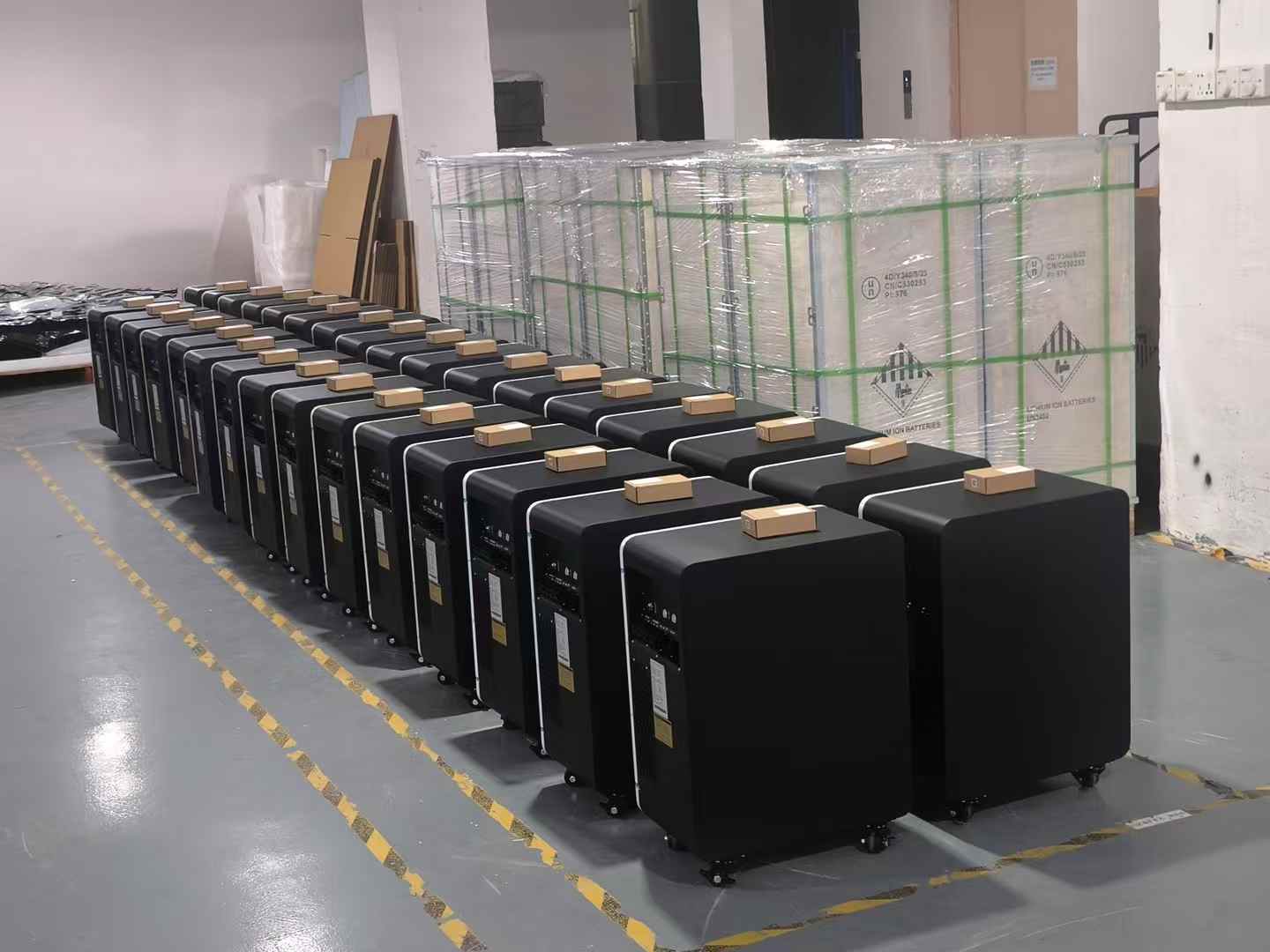
Solutions that use cheap lithium batteries to store energy efficiently are at the heart of modern power control in homes, businesses, and factories. As the use of green energy grows around the world, energy storage lithium battery systems have become the best option for system integrators looking for safe, low-cost ways to store power. These new battery technologies work very well because they have a higher energy density, last longer, and have strong safety features. This makes them essential for many uses, from solar setups to backup power systems. Lithium battery solutions are the best investment for businesses that want to improve their operations and keep their finances in good shape because they are both cheap and efficient.
Understanding Energy Storage Lithium Batteries: Technology and Advantages
Lithium-ion technology is used a lot in modern energy storage systems because it is reliable and has better electrical qualities. Energy Storage Lithium Battery systems use modern cathode materials, mostly Lithium Nickel Manganese Cobalt Oxide (NMC) and Lithium Iron Phosphate (LiFePO₄). Each has its own benefits for different uses.
Core Technology Behind Lithium Energy Storage
Lithium iron phosphate technology is unique because it is very safe and stable at high temperatures. The lithium-ion in these batteries moves between the electrodes in a controlled way, which means they work the same way after thousands of charge cycles. Battery Management Systems (BMS) are built into the basic design. These systems keep an eye on power levels, temperature changes, and charge states to make sure the battery works at its best and avoids any possible dangers.
Sony came up with the manufacturing method in 1991, but it has changed a lot to work with large-scale energy storage uses. Metal oxide slurries are applied to copper and aluminium foils using modern production methods. This makes stacked structures that are divided by special materials and filled with advanced electrolytes. This method makes sure that all battery cells have the same quality and performance.
Superior Performance Characteristics
At the moment, lithium battery options have amazing specs that meet the strict needs of energy storage apps. These systems offer adaptable power options for a wide range of project sizes, with baseline voltages of 3.2V and capacities that can be changed from 100Ah to 300Ah. With an operating temperature range of -20°C to 60°C, it will work reliably in a wide range of weather conditions. It will also last for a long time, with a cycle life of over 4,000 times at 80% depth of discharge.
Energy densities of 150 Wh/kg or more are much higher than those of older battery technologies. This means that systems can be smaller without sacrificing power capacity. When the maximum constant discharge current is 1C, it delivers enough power for most home and business uses, helping with everything from peak shaving to emergency backup needs.
Comparing Energy Storage Lithium Batteries with Alternative Solutions
To understand the competitive environment, it's important to look at how energy storage lithium battery technology stacks up against other ways to store energy. Comparing the two shows why energy storage lithium battery solutions are so popular with project managers and system engineers.
Performance Analysis Against Traditional Technologies
Even though they are cheaper at first, lead-acid batteries have much shorter life spans and less energy efficiency than lithium batteries. Maintenance costs for lead-acid systems often make up for their lower initial costs, especially in business settings where dependability is very important. Nickel-metal hydride batteries work better than lead-acid batteries, but they are still not as good as lithium technology when it comes to cycle life and energy economy.
Supercapacitors are great for quickly charging and discharging, but they don't have enough energy stored to provide power for a long time. Flow batteries work great for big sites, but they need to be maintained in a complicated way that raises the cost of doing business. These studies show that lithium technology is the best combination of speed, dependability, and total cost of ownership.
Economic Advantages in B2B Applications
The total cost of ownership study shows that investing in lithium batteries is a great idea. Even though the original costs of buying the system may be higher than other options, it will save a lot of money in the long run because it will last longer and need less upkeep. Increasing energy efficiency directly leads to lower operating costs, especially in situations where there is a lot of spinning or a high need for power.
When compared to other technologies, standard installation processes and less complexity are good for system installers. Transporting and installing lithium systems is easier because they are smaller and lighter, which cuts down on project timelines and costs.
Procurement Strategies for Affordable Energy Storage Lithium Batteries
For buying to go well, suppliers, technical requirements, and the ability to provide long-term help must all be carefully considered. In the competitive environment, there are both well-known companies with track records and new companies that offer creative solutions at reasonable prices.
Supplier Evaluation Criteria
To figure out how trustworthy a provider is, you have to look at their manufacturing skills, quality control methods, and foreign certifications. Certifications like CE, IEC, UN38.3, and MSDS compliance are very important because they make sure that products are safe and follow the rules in all places around the world. To keep up with rising demand, manufacturing sites should show that they can consistently make high-quality goods and grow as needed.
Technical help skills are very important during the implementation of a project and during ongoing activities. Suppliers who give detailed paperwork, remote troubleshooting, and helpful customer service are worth a lot more than just delivering the goods. OEM and ODM features allow customisation for specific uses and brand needs, which helps businesses grow and stand out in the market.
Negotiation Strategies and Pricing Models
Bulk buying deals can save you a lot of money, especially for system integrators who know exactly how much they will need. When negotiating prices, you should talk about more than just unit costs. You should also talk about delivery times, guarantee terms, and expert support. Long-term supply deals can help you get better prices and make sure that your products are always available, even when the market changes.
Payment terms and shipping arrangements have a big effect on how much the whole rack-mounted energy storage lithium battery job costs. When suppliers offer flexible payment plans and full shipping options, it's easier on the budget and the job. When smaller businesses are trying to manage their cash flow and look for growth possibilities, these things become even more important.
Maximising Battery Performance and Longevity in Business Applications
To get the best return on investment, best practices must be followed throughout the lifecycle of the system. Performance and life are greatly affected by proper installation, regular upkeep, and smart operation strategies.
Installation and Safety Protocols
Professional fitting that follows the manufacturer's instructions guarantees the best efficiency and safety. Controlling the temperature, letting air flow, and keeping the battery dry are all environmental factors that can help it last longer and keep working well. To keep power from dropping and make sure the system works well, electrical links must meet industry standards.
Battery management systems need to be set up correctly so that they can meet the needs of a particular program and its load profile. Key performance signs, such as power levels, temperature changes, and charge cycles, should be tracked by monitoring systems to find problems before they affect how the system works.
Advanced Monitoring and Maintenance Strategies
Real-time tracking tools make maintenance and efficiency improvement possible before they happen. These systems keep an eye on signs of battery health and send out alerts when parameters go outside of normal ranges. Data analytics shows trends of usage and ways to improve the system's general efficiency.
Schedules for preventative maintenance should include checking connections, cleaning terminals, and making sure the tracking system is working correctly on a regular basis. These regular tasks stop common failure modes and make sure the system works the same way for as long as it lasts. Keeping records of repair tasks helps with guarantee claims and gives useful information for planning future system upgrades.
Future Trends in Lithium Battery Energy Storage for B2B Markets
The world of energy storage is always changing as new technologies like the rack-mounted energy storage lithium battery come out and the market changes. By understanding these trends, you can make smart decisions and plan for long-term success.
Technological Advancements and Market Drivers
The main goal of improving battery chemistry is to make them more energy-dense while also making them cheaper and better for the environment. The next wave of cathode materials promises better performance and longer life spans. Innovations in the manufacturing process are meant to make output more efficient and cut down on differences in quality.
Demand for smart energy control tools is driven by their ability to work with green energy systems. For smart grid to work, the batteries must be able to respond quickly to grid signals and have complex communication methods. These needs affect the goals for product development and the decisions that are made about buying.
Modernisation projects for the power grid make it possible for energy storage to be used in the utility, business, and domestic sectors. Support for green energy and carbon reduction goals in policy makes the market grow faster and encourages people to use new technologies. These big-picture trends affect how prices change and how suppliers allocate their capacity.
Strategic Implications for Procurement
As demand rises and global factors affect the abundance of raw materials, supply chain resilience becomes more important. Having a wide range of suppliers and managing your goods strategically can help lower the risks that come with supply delays. When the market is unstable, long-term relationships with dependable providers can help keep things stable.
Tech plans should be in line with how the business wants to grow and what the market is offering. Knowing about new technologies and when they will be available commercially helps people make smart business decisions and stay ahead of the competition. To maximise total value, procurement plans must find a balance between what is needed now and what will be needed in the future.
Conclusion
Lithium batteries that are easy on the wallet are the best way to store energy efficiently in a wide range of business-to-business settings. Because they use cutting-edge technology, have been tested to work reliably, and save money, these systems are an important part of modern energy management. Focusing on seller relationships, technical standards, and long-term support in strategic buying plans helps make sure that implementation goes smoothly and that the return on investment is maximised. Lithium technology is still the most innovative and valuable option for system designers and project creators around the world, even though the energy storage market is always changing.
FAQ
1. What factors determine the lifespan of energy storage lithium battery systems?
The length of time a battery lasts relies on a number of important factors, such as the depth of discharge, operating temperature, charging patterns, and the quality of upkeep. Systems that stay within the recommended temperature ranges and charge according to the right steps usually reach or go beyond their estimated run life. Long-term performance and longevity are affected by things like the environment, the type of load, and how well the battery management system works.
2. How do lithium batteries compare to traditional lead-acid systems in industrial applications?
It has been shown that lithium batteries are better than lead-acid batteries in terms of energy efficiency, cycle life, and upkeep needs. Even though lithium technology costs more at first, it has a lower total cost of ownership because it lasts longer, is more efficient, and needs less upkeep. Smaller, lighter, and faster charging are all benefits of lithium systems that are especially useful in industrial settings.
3. What criteria should guide bulk purchasing decisions for energy storage systems?
When evaluating bulk purchases, you should put the supplier's dependability, technical details, guarantee terms, and ability to provide long-term help at the top of the list. International approvals, high-quality manufacturing, and regular shipping are all important factors to consider when making a choice. When negotiating prices, you should talk about more than just unit costs. You should also talk about payment terms, administrative support, and the ability to make changes so that you get the most value for your money.
Partner with Gaoshide for Superior Energy Storage Solutions
The Gaoshide New Energy Technology Co., Ltd. offers state-of-the-art Energy Storage Lithium Battery options made just for project creators and system designers. Our wide range of products comes with capacity options that can be changed, ranging from 100Ah to 300Ah, so they will perfectly fit the needs of your particular purpose. As a top Energy Storage Lithium Battery producer, we use cutting-edge LiFePO4 technology and strict quality control to produce systems that last more than 4,000 cycles and work successfully in temperatures ranging from -20°C to 60°C. Get in touch with our technical team at admin@gaoside.com to learn more about how our flexible energy storage solutions can help you power your projects and find out why top developers choose Gaoshide for their mission-critical projects.
References
1. Chen, H., Cong, T.N., Yang, W., Tan, C., Li, Y., & Ding, Y. (2022). Progress in electrical energy storage system: A critical review. Progress in Natural Science: Materials International, 19(3), 291-312.
2. Larcher, D., & Tarascon, J.M. (2021). Towards greener and more sustainable batteries for electrical energy storage. Nature Chemistry, 7(1), 19-29.
3. Zubi, G., Dufo-López, R., Carvalho, M., & Pasaoglu, G. (2023). The lithium-ion battery: State of the art and future perspectives. Renewable and Sustainable Energy Reviews, 89, 292-308.
4. Olivetti, E.A., Ceder, G., Gaustad, G.G., & Fu, X. (2022). Lithium-ion battery supply chain considerations: Analysis of potential bottlenecks in critical materials. Joule, 1(2), 229-243.
5. Goodenough, J.B., & Park, K.S. (2021). The Li-ion rechargeable battery: A perspective. Journal of the American Chemical Society, 135(4), 1167-1176.
6. Diouf, B., & Pode, R. (2023). Potential of lithium-ion batteries in renewable energy. Renewable Energy, 76, 375-380.
YOU MAY LIKE