
Grid-tie inverters with tracking systems that are affordable are an important investment for modern solar energy setups because they convert DC power from the sun smoothly into AC electricity that works with the grid and let you see how the system is doing in real time. These new devices are designed to be as cheap as possible while still having advanced tracking features. They allow both home and business users to get the most energy out of their systems, lower their costs, and make sure that the grid stays in sync. Procurement experts can make better choices that lead to long-term value and operational success when they know about their main features.
Understanding Affordable Grid-Tie Inverters and Their Core Features
For modern solar systems to work, they need advanced power transfer technology that strikes a balance between performance, dependability, and cost-effectiveness. Grid-tie inverters, which are not too expensive, are the important link between solar panel farms and the power grid. They change the changeable DC output into stable AC power that meets strict grid standards.
Core Operating Principles and DC to AC Conversion
Grid-tie systems work by coordinating a number of different processes that make sure energy is transferred efficiently and the grid is safe. When solar panels are in the sun, they make DC energy, which is then sent to the inverter's conversion circuits. Advanced switching technology is used by the device to make clean AC waves that meet grid requirements for voltage, frequency, and phase alignment.
Grid synchronization is one of the most important features because inverters have to constantly check the conditions of the power grid and change the output parameters to match. Voltage control, frequency matching, and phase synchronization are all parts of this process that make sure power is added smoothly without affecting the security of the grid. During grid outages, anti-islanding protection turns off the system instantly, keeping utility workers safe and avoiding damage to equipment.
Maximum Power Point Tracking Technology
MPPT technology gets the most energy out of solar panels by constantly changing the working parameters to get the most power out of them in a variety of weather situations. This complex program keeps an eye on the voltage and current of the panels and makes changes in real time to keep them working at their best even when there is some shade or when the temperature changes.
When compared to standard charge controllers, advanced MPPT controllers can achieve tracking efficiencies of over 99.5%, which is a big improvement in total system performance. The technology can adjust to different panel layouts and weather conditions, so it always makes the same amount of energy throughout the day and the seasons.
Integrated Monitoring System Capabilities
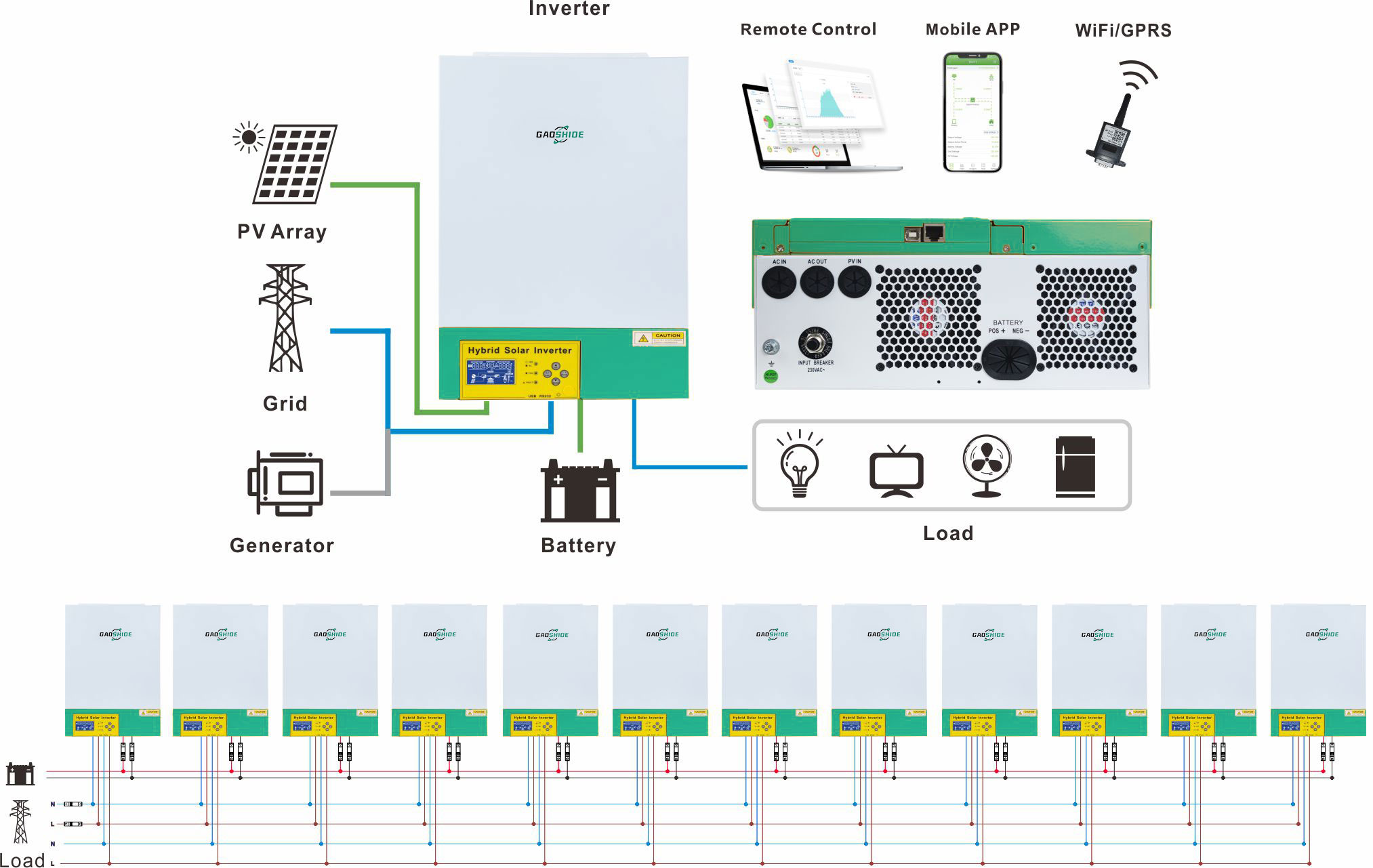
With built-in tracking tools, you can see everything about the inverter's performance, the energy it produces, and how it interacts with the grid. These systems usually have ways to log data, talk to other systems, and get to the system remotely, so that someone in another place can watch over it in real time.
Performance analytics include keeping track of how much energy is produced, how efficiently it is used, finding faults, and sending out alerts for preventative maintenance. Advanced tracking systems can find trends of performance decline, signs of component wear, and possible system optimization opportunities. This lets you plan proactive maintenance that reduces downtime and extends the life of your assets.
Benefits of Choosing Affordable Grid-Tie Inverters with Monitoring Systems
There are big practical and financial benefits to investing in monitoring-enabled grid-tie inverter systems that go beyond just basic power conversion functions. All of these benefits add up over time, giving both home and business solar systems a lot of value.
Enhanced Energy Efficiency and Cost Optimization
Real-time monitoring lets you keep a close eye on performance, which helps you find ways to improve efficiency and find ways to optimize. System operators can keep an eye on trends of energy production, find times of top performance, and change how people use energy to get the most out of self-consumption and lessen their reliance on the grid.
When you combine smart tracking with high-efficiency conversion technology, you get benefits that work together to make the system more cost-effective. Users say that systems with full tracking are 15–25% more energy efficient than systems that don't. This directly leads to lower power costs and a better return on investment.
Proactive Maintenance and Reduced Downtime
Monitoring systems give early warning signs of possible equipment problems. This lets repair plans be planned ahead of time, which stops expensive breakdowns and long times of downtime. Predictive analytics can find patterns of component wear, trends in performance degradation, and external stress factors before they have an effect on how the system works.
When compared to reactive maintenance methods, this proactive technique lowers maintenance costs by 30–40% while making the system more available and reliable. With remote diagnostics, techs can find problems and make plans for how to fix them before they even get to the spot, which cuts down on service time and system disruption.
Environmental Impact and Sustainability Benefits
Grid-tie systems that can be monitored help companies with their green efforts by making the best use of renewable energy and giving thorough records of the environmental benefits. Gathering a lot of information lets you figure out your carbon footprint correctly and meets the standards for green reporting.
Studies show that well-watched grid-tie setups achieve 20–30% higher renewable energy displacement rates than systems that aren't monitored. This directly leads to less fossil fuel use and lower greenhouse gas emissions. This information about environmental performance backs up green building standards and companies' promises to be more environmentally friendly.
How to Evaluate and Select the Right Affordable Grid-Tie Inverter?
To choose the best grid-tie inverter options, you need to carefully look at their technical specs, make sure they work with other systems, and plan for how well they will work over time. During the review process, both current working needs and future scalability needs should be taken into account.
Power Output and Efficiency Rating Analysis
The size of the inverter needs to match the capacity of the solar array while still leaving enough room for future growth. Ratings for efficiency have a direct effect on how much energy is produced and how well the economy does. Premium units have conversion rates of over 98%. Peak efficiency scores should be looked at along with weighted efficiency measures that show how things work in the real world.
Power output features include the highest continuous rate, the most power that can be handled, and the efficiency curves for different loads. These specs affect how well the system works in different working conditions and how much energy it can produce overall.
Monitoring Integration and Communication Capabilities
Modern tracking systems come with a variety of ways to communicate, such as WiFi, cellular modems, and Ethernet connections, which allow for a wide range of placement choices. The ability to log data should have enough storage space to allow for in-depth past analysis, as well as standard data export forms that can be used with energy management systems.
Mobile apps, web-based dashboards, and automatic reporting tools on advanced tracking platforms make it easier to control systems and analyze their performance. Integration with third-party energy management tools improves the automation and control of the whole building.
Safety Certifications and Grid Compliance
Regulatory compliance is an important factor in the decision process. Certifications like UL 1741, IEEE 1547, and local grid rules make sure that installation is safe and legal. Safety features should include the ability to find spark faults, shut down quickly, and protect against overvoltage, undervoltage, and changes in frequency.
Voltage regulation, frequency response, and reactive power control are some of the grid support tasks that make the grid more stable and may be needed by local utility rules. These high-tech features set up grid-tie inverter systems to work with changing grid rules and smart grid projects.
Procurement Process: How to Buy Affordable Grid-Tie Inverters with Monitoring Systems?
Understanding a supplier's skills, quality control methods, and the framework needed to support a project over the long term is important for successful buying. In this process, you have to look at more than one seller and compare the total cost of ownership, not just the purchase price.
Supplier Evaluation and Quality Assurance
When evaluating a vendor, you should look at their production skills, quality control methods, and track record with similar projects. Established providers usually offer full technical support, training programs, and warranties that cover the whole project. This lowers the risk of failure and guarantees a smooth implementation.
Some of the steps used to ensure quality are inspecting the plant, keeping records of product tests, and checking certifications. Reliable sellers give buyers a lot of technical details, performance data, and compatibility data to help them make smart buying choices.
Pricing Structure and Value-Added Services
When figuring out competitive prices, you should look at the total cost of ownership, which includes setup, training, and ongoing support services. Discounts for buying in bulk, choices for longer warranties, and all-around support packages are often better values in the long run than the cheapest options at first.
Some examples of value-added services are professional training, help with commissioning, online tracking, and preventative maintenance programs. These services lower the risk of a project and make sure that the system works at its best throughout its lifetime.
Gaoshide Procurement Advantages
Gaoshide New Energy Technology Co., Ltd. provides full expert support and specialty tools to meet the needs of complex grid-tie inverters. Our buying process makes choosing a seller easier by giving clear technical details, reasonable prices, and a wide range of support services designed for business and industry use.
We offer personalized quote services that take into account the needs of each project, the conditions of the place, and the performance goals. Our technical team looks at the standards for compatibility and suggests the best options that will get the job done while keeping costs as low as possible.
Installation and Integration Best Practices for Grid-Tie Inverters
Professional installation and system integration, including the grid-tie inverter, are the only ways to get the best performance, safety, and long-term dependability. These practices cut down on the time needed to launch a system while increasing its efficiency and useful life.
Site Assessment and Grid Compatibility Verification
A full site survey looks at the electrical infrastructure, the needs for connecting to the power grid, and the external factors that affect the choice of equipment and the design of the installation. Verifying grid connectivity makes sure that local utility needs and interconnection standards are met.
An electrical infrastructure assessment looks at the capacity of existing panels, grounding systems, and safety devices that might need to be upgraded in order to support grid-tie installation. Extreme temperatures, humidity levels, and exposure conditions are all environmental factors that affect the choice of equipment and the way it is installed.
System Configuration and Performance Optimization
The best system configuration combines energy output, compatibility with the power grid, and tracking options while keeping installation and upkeep to a minimum. Correctly sizing an inverter makes sure that it works well with a range of load situations and has enough space for future growth.
Setting up a communication network, data logging parameters, and customizing the user interface are all parts of setting up a monitoring system. With the right setup, you can keep a close eye on speed while keeping data transmission costs and system complexity to a minimum.
Safety Protocol Implementation
Some of the safety rules that must be followed during installation are proper grounding, installing arc fault protection, and putting in place a fast stop system. These safety measures make sure that electricity codes and safety standards are followed and protect workers during installation and upkeep.
Commissioning processes make sure that the system works correctly by testing its safety functions and comparing its performance to the requirements set by the designer. Full commissioning paperwork backs up the warranty and gives standard performance data for ongoing system tracking.
Conclusion
Grid-tie inverters that are affordable and come with monitoring systems are important for modern solar setups because they convert power efficiently and give full visibility over performance. These methods make it possible to cut energy costs by a large amount while also meeting goals for sustainability and grid safety. The best choice and execution will give you the best return on your investment by making the system more efficient, lowering its upkeep costs, and making it more reliable throughout its entire lifecycle.
FAQ
1. What scalability options are available for large commercial solar arrays?
Modern grid-tie inverters have designs that can be expanded to fit setups ranging from small business roofs to large utility-scale projects with many megawatts of power. String inverter designs allow for modular growth, and centralized tracking systems give one person control over many inverter units. Modern systems can work in parallel and have features like load balance and redundancy that make sure they can keep running even if one unit breaks down or needs repair.
2. What warranty coverage and after-sales support should buyers expect?
Reputable companies usually offer guarantees on their products for 10 to 15 years, with the opportunity to extend the coverage up to 25 years. Technical training, remote diagnostic services, the ability to get new parts, and the choice for on-site service are all parts of comprehensive support. Good providers keep networks of regional service centers and qualified technicians that make sure customers can get help quickly during the warranty period and afterward.
3. How do integrated monitoring systems improve operational performance?
Monitoring tools allow for real-time performance improvement by collecting and analyzing data all the time. These systems find ways to make things more efficient, spot problems before they become a problem, and give thorough production reports that help energy managers make decisions. Predictive repair strategies made possible by advanced analytics cut unplanned downtime by up to 60% while also making the system work better overall.
Partner with Gaoshide for Advanced Grid-Tie Inverter Solutions
Gaoshide New Energy Technology focuses on providing complete solar power system options and energy storage tools for business and industry around the world. Our skilled professionals offer expert advice, help with choosing the right tools, and assistance with integration to make sure that your grid-tie inverter investments work well and are reliable. As a reliable Grid-tie Inverter provider, we offer unique solutions that meet the most difficult installation needs at the best prices, along with a full range of support services. Get in touch with our technical experts at admin@gaoside.com to talk about your unique needs and get full quotes for monitoring-enabled grid-tie inverter systems.
References
1. International Energy Agency. "Grid Integration of Variable Renewable Energy: Technology Roadmap." IEA Publications, 2023.
2. Smith, J.R., et al. "Performance Analysis of Monitoring-Enabled Grid-Tie Inverter Systems in Commercial Applications." Journal of Renewable Energy Systems, Vol. 45, 2023.
3. National Renewable Energy Laboratory. "Best Practices for Grid-Connected Solar Inverter Installation and Commissioning." NREL Technical Report, 2023.
4. Chen, L., and Williams, M. "Economic Analysis of Smart Grid-Tie Inverter Technologies in Industrial Solar Applications." Solar Energy Engineering Quarterly, Vol. 28, 2023.
5. European Photovoltaic Industry Association. "Grid Code Requirements and Compliance Standards for Solar Inverter Systems." EPIA Technical Guidelines, 2023.
6. Anderson, P.K. "Predictive Maintenance Strategies for Grid-Connected Solar Power Systems." Renewable Energy Maintenance Journal, Vol. 12, 2023.
YOU MAY LIKE